AI piano plays solo on stage in Seoul ballet and string show
A self-playing AI piano shared a Seoul stage with a string quartet and ballet dancers. Its maker says the next act is a play with humanoid robots.
 SUMO· the number puzzle
 Dialo· learn languages by speaking
 ediviewer· read EDI files like documents
 giftdetect· the right gift in minutes
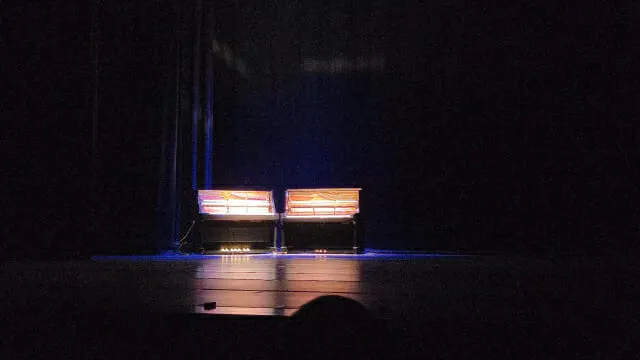
For a minute or so, an AI piano with nobody at the keys feels strange. Then the strings and the dancers join in, and the piano becomes just another member of the cast. By the time it plays a Christmas carol at the end, it is almost cute.
That was the experience at "Playing Movement: LINE" (the Korean title is 몸짓을 연주하다 LINE), staged on 25 November at the Guro Arts Valley theatre in Seoul. Production company Gliitchrude combined an AI-driven self-playing piano, a string quartet and ballet. It is the company's first work since it was founded in April, made with AI firm Emotionwave and several arts groups.
How does an AI piano work?
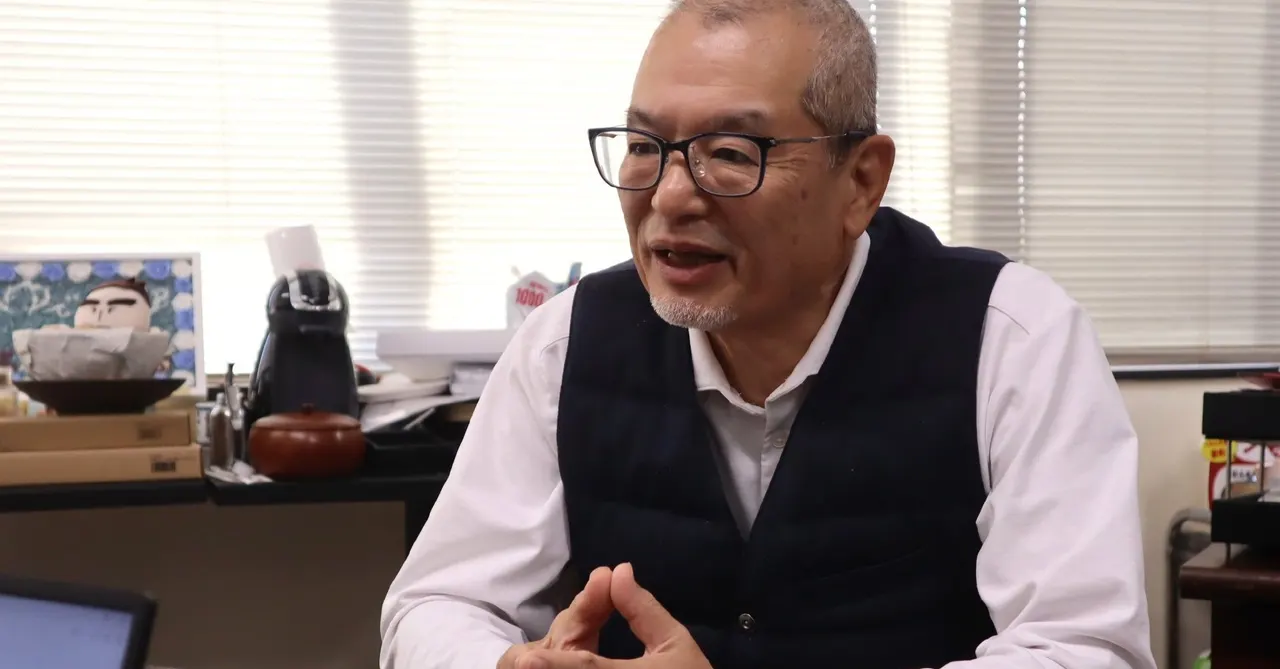
Player pianos usually record a human performance and replay it. This one doesn't. According to Gliitchrude CEO Kim Seung-hwan, the AI reads the sheet music and generates the performance data itself. A musically trained person then steps in, fixing passages the real instrument can't physically play and adding interpretation. The team calls this "humanizing".
It also saves time. Kim says one piece used to take about two weeks to prepare, and the AI has cut that to a quarter.
Dancers and the piano had to adapt to each other. The choreographer's preferred tempo and expression had to be built into the piano's playing, and the dancers had to get used to a partner that doesn't breathe.
Does it sound human?
Not entirely. The reviewer noticed a gap in touch, in how hard or soft the keys are pressed, and in fine emotional shading. Hitting the right notes is not the same as conveying feeling. Still, the piano worked as part of the show rather than a replacement for the musicians.
What comes next
Kim's next project is a play with humanoid robots. He is looking for a tech company to supply them, and aims to stage a small production as early as June next year, or by autumn at the latest. He says he wants audiences to notice the emotional bond between people and robots, not just the movement.
Apps worth a look
SUMO: the number puzzleTap the right tiles, add them up, hit the target. Easy to learn, hard to master. Free, for all ages.
Dialo: learn languages by speakingTalk to an AI conversation partner; every sentence comes back corrected and explained in your language. 9 languages, A1 to C2.
ediviewer: read EDI files like documentsOpen EDIFACT and X12 messages, see every segment explained, convert to JSON/XML, export PDF and Excel. Runs locally, no upload.
giftdetect: the right gift in minutesPick who it is for, the occasion and their personality. The search engine reads product descriptions from local shops and ranks what fits. Free, no sign-up.
More from this day
See all →
Lightning strikes could rise up to 140% by 2100, study finds

Mars fingerprint rocks on Daedalia Planum puzzle scientists
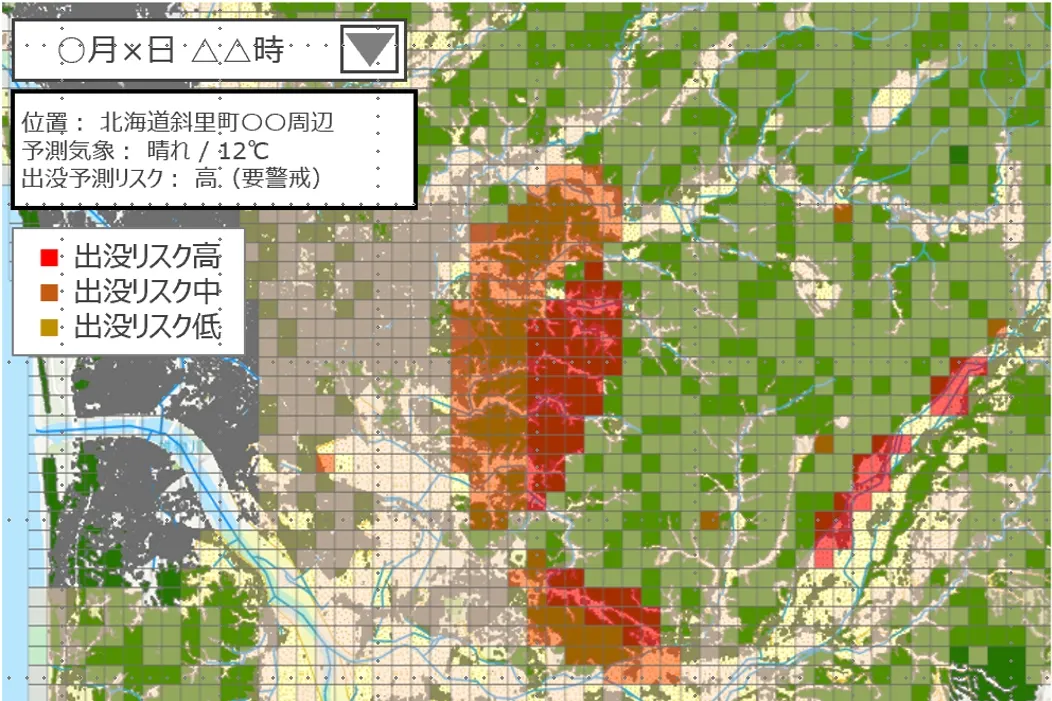
Shiretoko brown bear drones: NTT tests a one-week risk forecast