Zebra mussel plague: US offers $200,000 to stop boats spreading it
Ships were told to swap ballast at sea and it worked, yet zebra mussels keep turning up in lakes far from any ocean. The culprit is a cup of water in a boat.
 SUMO· the number puzzle
 Dialo· learn languages by speaking
 ediviewer· read EDI files like documents
 giftdetect· the right gift in minutes
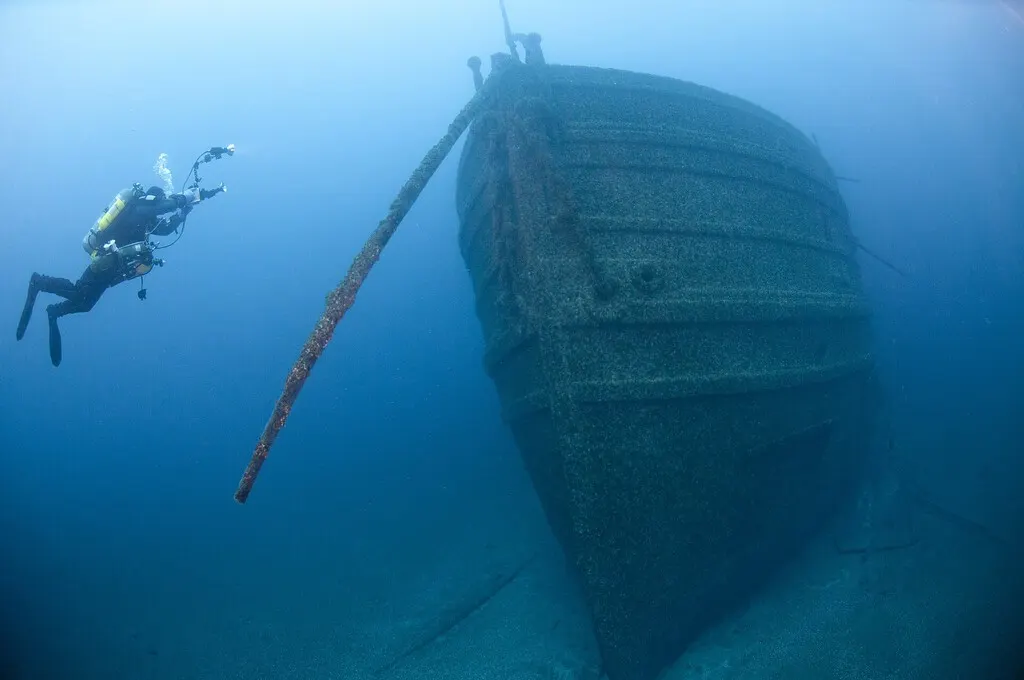
On 1 June 1988, students from the University of Windsor pulled a small mollusc out of Lake St. Clair. It was the first zebra mussel ever found in North America. Based on its size, it had probably arrived in late 1986 in the ballast water of an ocean-going ship. Nobody ever worked out which one.
The spread was brutal. By 1989, a power plant intake on Lake Erie counted 700,000 mussels per square metre. By 1990 they were in all five Great Lakes. Since 1993, ships coming in from the ocean have had to swap their ballast at sea, on the theory that salt water kills freshwater organisms. It seems to have worked: since 2006, with detailed monitoring, no new species has been blamed on ballast from transoceanic ships.
Then came the quagga mussel in 2007, a cousin of the zebra, and invaders kept showing up in waters with no link to the sea at all.
How do zebra mussels spread between lakes?
Part of the answer sits inside recreational boats. For his master's thesis at the University of Minnesota, Adam Doll took more than 300 samples from boat ballast tanks on two lakes in the state. After a boat was "emptied", a median of 2.65 litres stayed behind. In that water he found a median of 247 zebra mussel larvae per sample. Nobody sees it, because the tank is inside the hull.
The problem is not only American. Spain's first established adult colony was found in July 2001 on the lower Ebro, at the Flix meander and the Riba-roja reservoir. By 2021 the mussel had been detected in 79 reservoirs. On the Ebro alone, between 2005 and 2009, it cost 11.6 million euros for administrations and for those who draw water from the river.
What is Halt the Hitchhiker?
It is a contest the US Bureau of Reclamation, the agency that manages dams and canals in the west, launched in February. It wants ways to "kill, exclude or inactivate" invasive species inside the ballast compartments of boats. The prize is $200,000.
Apps worth a look
SUMO: the number puzzleTap the right tiles, add them up, hit the target. Easy to learn, hard to master. Free, for all ages.
Dialo: learn languages by speakingTalk to an AI conversation partner; every sentence comes back corrected and explained in your language. 9 languages, A1 to C2.
ediviewer: read EDI files like documentsOpen EDIFACT and X12 messages, see every segment explained, convert to JSON/XML, export PDF and Excel. Runs locally, no upload.
giftdetect: the right gift in minutesPick who it is for, the occasion and their personality. The search engine reads product descriptions from local shops and ranks what fits. Free, no sign-up.
More from this day
See all →
Comet 220P/McNaught suddenly got 1,000 times brighter. Here's why

Coral Hart used AI to write 370 books in 20 months

WhatsApp Zaps: self-deleting photos and videos for any chat

Green SM taxis: Karnataka halts new registrations, eyes mandatory meters
More in: Science
See all →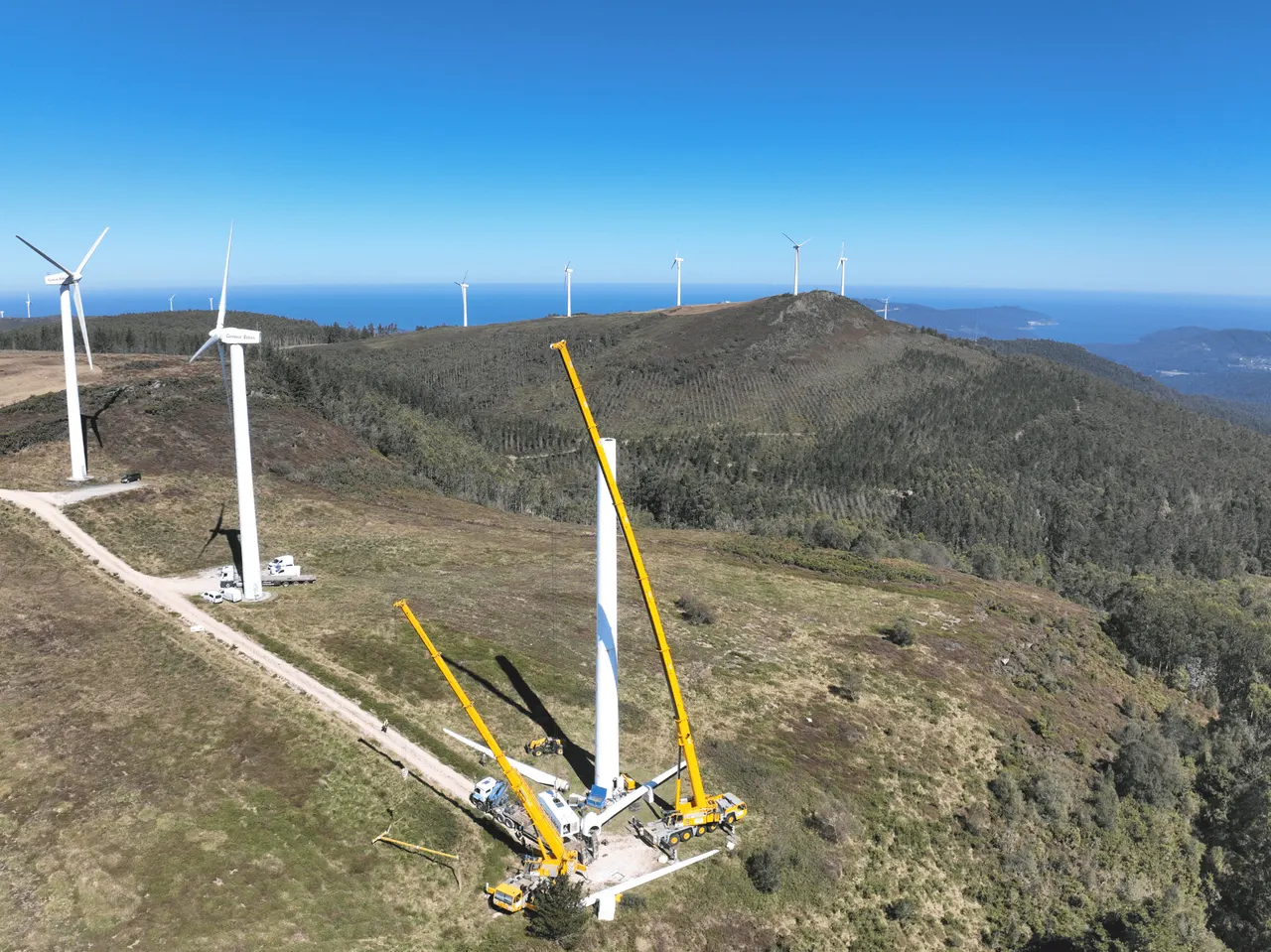
Coriscada wind farm: 4 turbines replace 40 and make 78% more power
Wind turbine blade recycling: a French startup makes ping-pong tables

Drones that carry objects by weaving rope around them midair