Yandex Delivery Rovers Get 40% Faster With AI Motion Planner
Yandex says the average speed of its delivery rovers rose almost 40%, from 3.5 to 5 km/h in five months, after the fleet moved to an AI-based motion planner.
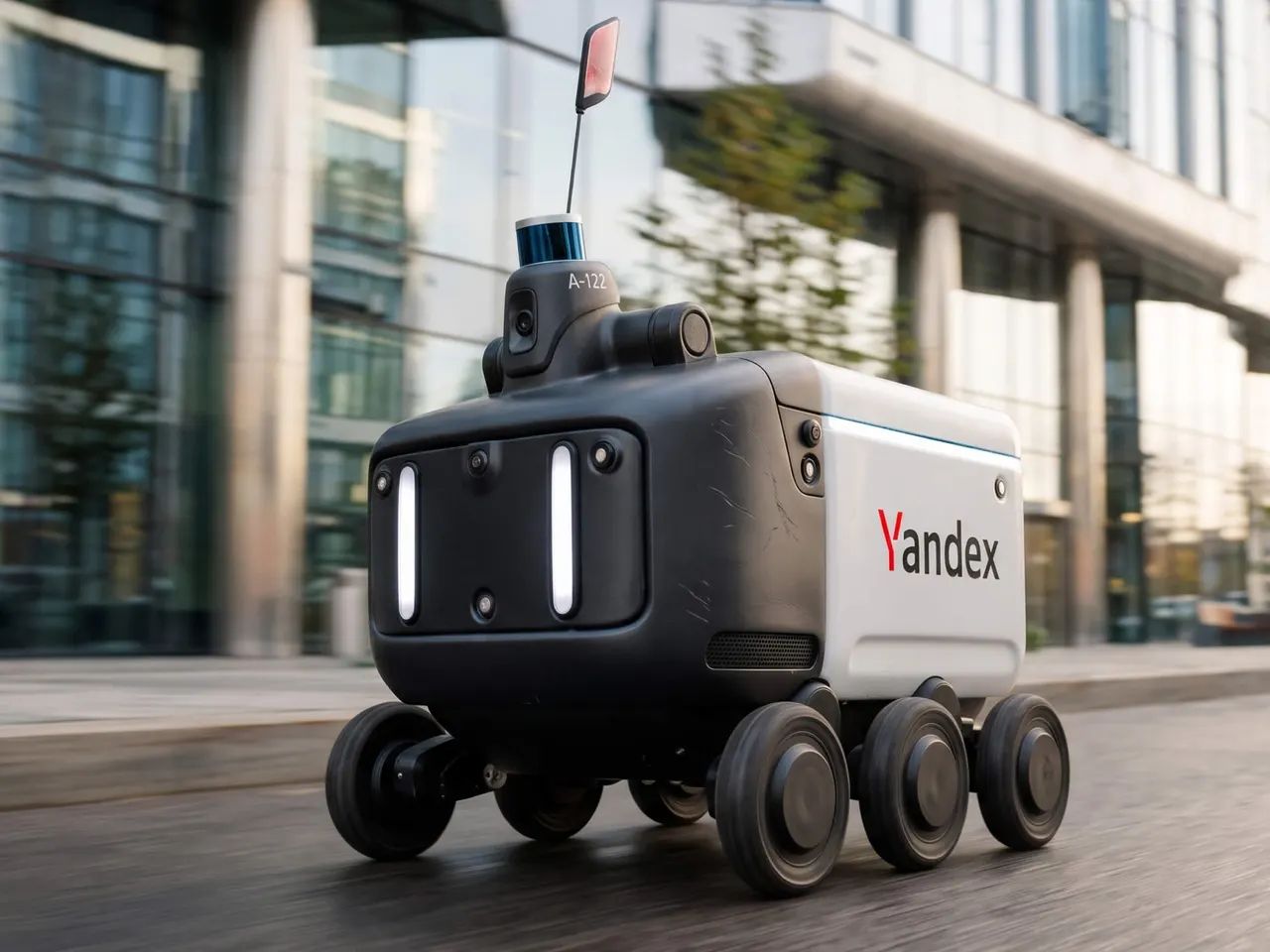
The average speed of Yandex's delivery rovers has risen by almost 40% over the past five months, from 3.5 to 5 km/h, the company said in its autonomous technology blog. According to Yandex, the gain comes from an AI model that predicts how a traffic situation will develop and how other people on the route will behave.
Trained on thousands of virtual rovers
To train the model, Yandex uses a simulator that runs more than 6,000 virtual rovers at the same time. They rehearse a wide range of situations, including rare scenarios that are hard to reproduce on real streets.
The company relies on reinforcement learning. After each virtual route, the system scores how correctly the rover completed it, and that feedback helps the model pick the safest and most efficient trajectories. Yandex says its models have spent more than 20,000 years in simulation in total. One hour of simulation gives the virtual rovers about 140 days of experience, and 40 hours equals roughly 15 years.
From fixed rules to an AI planner
The whole fleet switched to the new motion control system in May 2026. Before that, the robots followed algorithms with behavior rules written in advance by engineers. In complex or unfamiliar situations they tended to play it safe: slow down and wait for the path to clear.
The AI planner lets rovers keep moving in tougher conditions without getting in the way of others. A rover can, for example, slow down ahead of an obstacle in good time or speed up on a clear stretch.
Safety layers remain
Despite the AI training, several independent safety layers still operate on real routes. One is a lidar loop that reacts to obstacles within a tenth of a second and automatically limits the robot's speed. When an obstacle appears at close range, ultrasonic sensors, built on the same principle as a car's parking sensors, kick in and can bring the rover to a full stop if needed.
For customers, a faster and less hesitant rover should mean smoother deliveries in crowded areas, while the layered safety setup is meant to keep the more assertive behavior in check.
Apps worth a look
 SUMO: the number puzzle
Tap the right tiles, add them up, hit the target. Easy to learn, hard to master. Free, for all ages.
 Dialo: learn languages by speaking
Talk to an AI conversation partner; every sentence comes back corrected and explained in your language. 9 languages, A1 to C2.
 ediviewer: read EDI files like documents
Open EDIFACT and X12 messages, see every segment explained, convert to JSON/XML, export PDF and Excel. Runs locally, no upload.
More from this day
See all →
MeitY Unveils EKA-1, Dhīr 2B and Dhīr 5B AI Models Under IndiaAI

Samsung Intelligent Eyewear Reportedly Launches in December
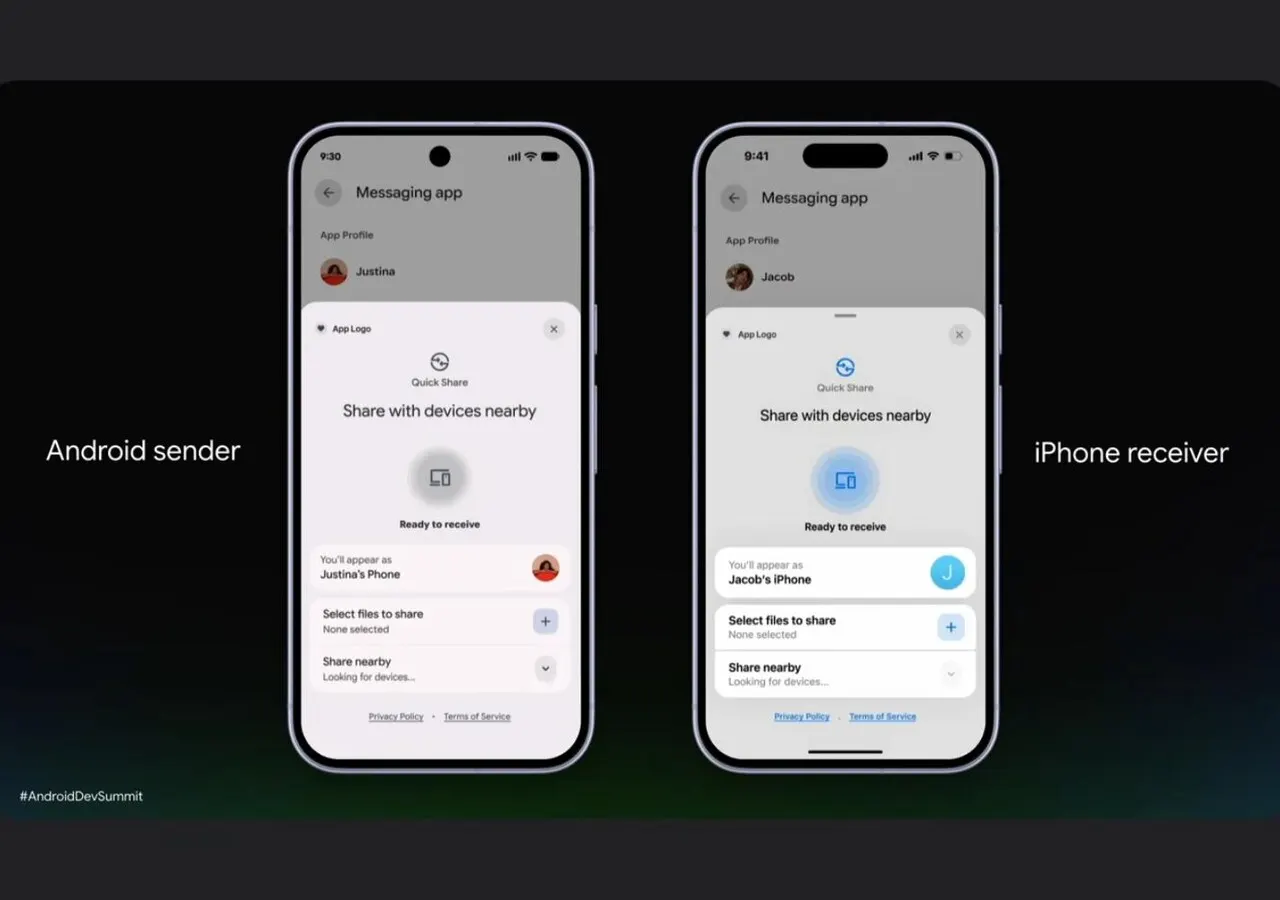
Google Unveils Quick Share SDK for Android and iOS Apps