Yandex Browser license drops "anonymity" and adds contact access
Yandex quietly removed the word "anonymity" from its browser's license. A close reading shows browsing history is now "potentially processed personal data".

 SUMO· the number puzzle
 Dialo· learn languages by speaking
 ediviewer· read EDI files like documents
 giftdetect· the right gift in minutes
The Yandex Browser license agreement no longer promises anonymity. According to a Russian tech outlet, the word vanished all five times it appeared, and both mentions of "depersonalisation" went with it. A developer who then read the current license has pointed out what else is in there.
Yandex's press service told journalists the changes are "purely technical", that it collects no more data than before and that no new link to individual users has appeared. The catch is obvious. If nothing changed in the code or the telemetry, the old wording was never accurate. And you don't need a passport scan to identify someone: a hardware ID, an IP address and a browsing history are usually enough.
What does the new Yandex Browser license say about personal data?
Under clause 5.1.1, visit history and downloads, once described as anonymous, are now "potentially processed personal data". The list includes the usual items: IP address, cookies, web beacons (tiny tracking elements), device characteristics and site history. It also names "information about interaction with web page elements", which can mean clicks, scrolling and cursor position. The list ends with "other data necessary to perform this License", so it is open-ended.
Why does the browser want your contacts?
Clause 5.13 covers voice calls from your phone book. Yandex Browser has Alice, its voice assistant, and a messenger built in. To act on "Alice, call mum", the browser needs your contact names on Yandex's servers. That list is also a map of who you know.
The same clause says that by allowing access, you must "ensure the lawfulness" of passing the data on and of its later processing by Yandex, including collecting consent from the people in your contacts. In practice that puts the legal burden on you.
Can you delete what you synced?
The license says contact access can be revoked in settings and that sync (clause 5.7: passwords, bookmarks, history) runs only while it's switched on. The author's objection is that stopping new data is not the same as erasing old data. As he reads it, the license contains no duty to delete what has already been collected. He is asking for retention periods per data category, a deletion procedure and an independent audit.
Apps worth a look
SUMO: the number puzzleTap the right tiles, add them up, hit the target. Easy to learn, hard to master. Free, for all ages.
Dialo: learn languages by speakingTalk to an AI conversation partner; every sentence comes back corrected and explained in your language. 9 languages, A1 to C2.
ediviewer: read EDI files like documentsOpen EDIFACT and X12 messages, see every segment explained, convert to JSON/XML, export PDF and Excel. Runs locally, no upload.
giftdetect: the right gift in minutesPick who it is for, the occasion and their personality. The search engine reads product descriptions from local shops and ranks what fits. Free, no sign-up.
More from this day
See all →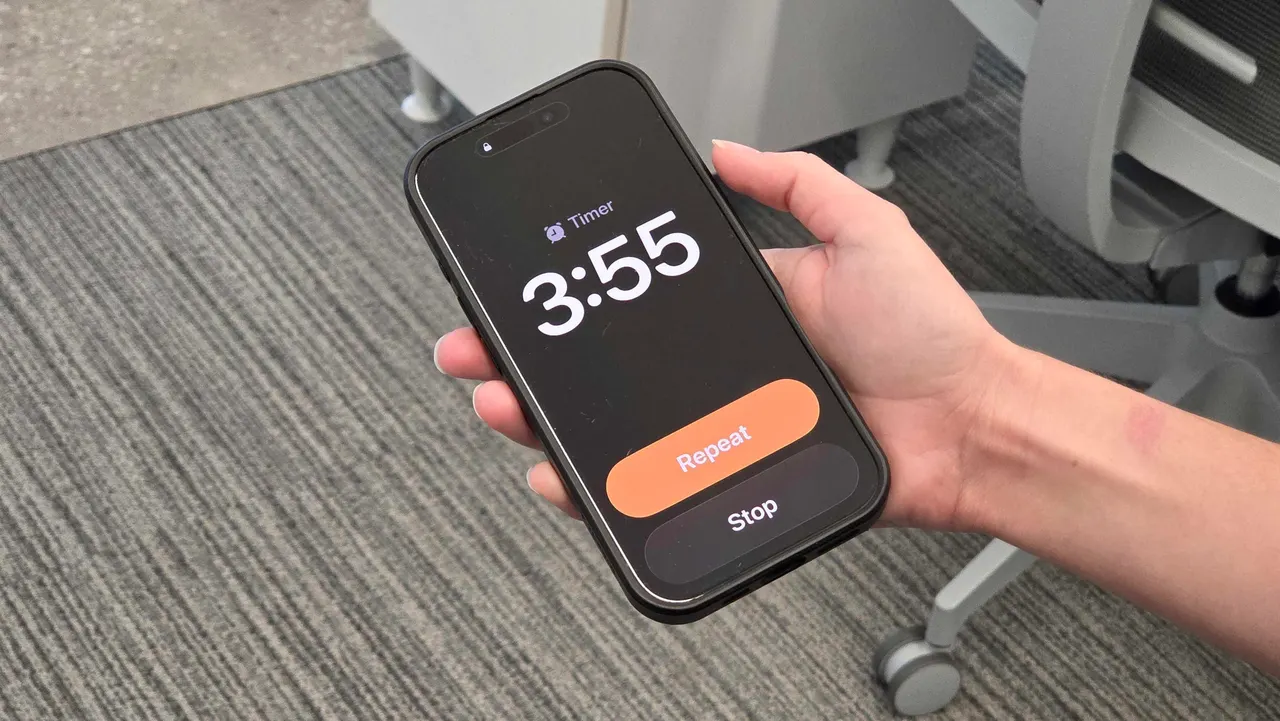
iOS 27 alarm volume setting splits it from your ringtone

SNET puts a Super Nintendo on Wi-Fi through its controller port
No Humans Allowed: a browser game where you pretend to be an AI

Alexandr Wang, Meta's AI chief, doubts we can control superintelligence
More in: Security
See all →
Alice Huang and Nvidia: Reported Contact With Chinese Intelligence

FBI NCIC hack: criminal database used by every US police force
Decathlon data leak: 163,000 customer records posted online