XREAL AURA Hands-On: 70-Degree Smart Glasses Run Google XR
XREAL AURA, the first smart glasses built with Google on Google XR, offers a 70-degree field of view and opens for preorder in Japan under a ¥200,000 base price.
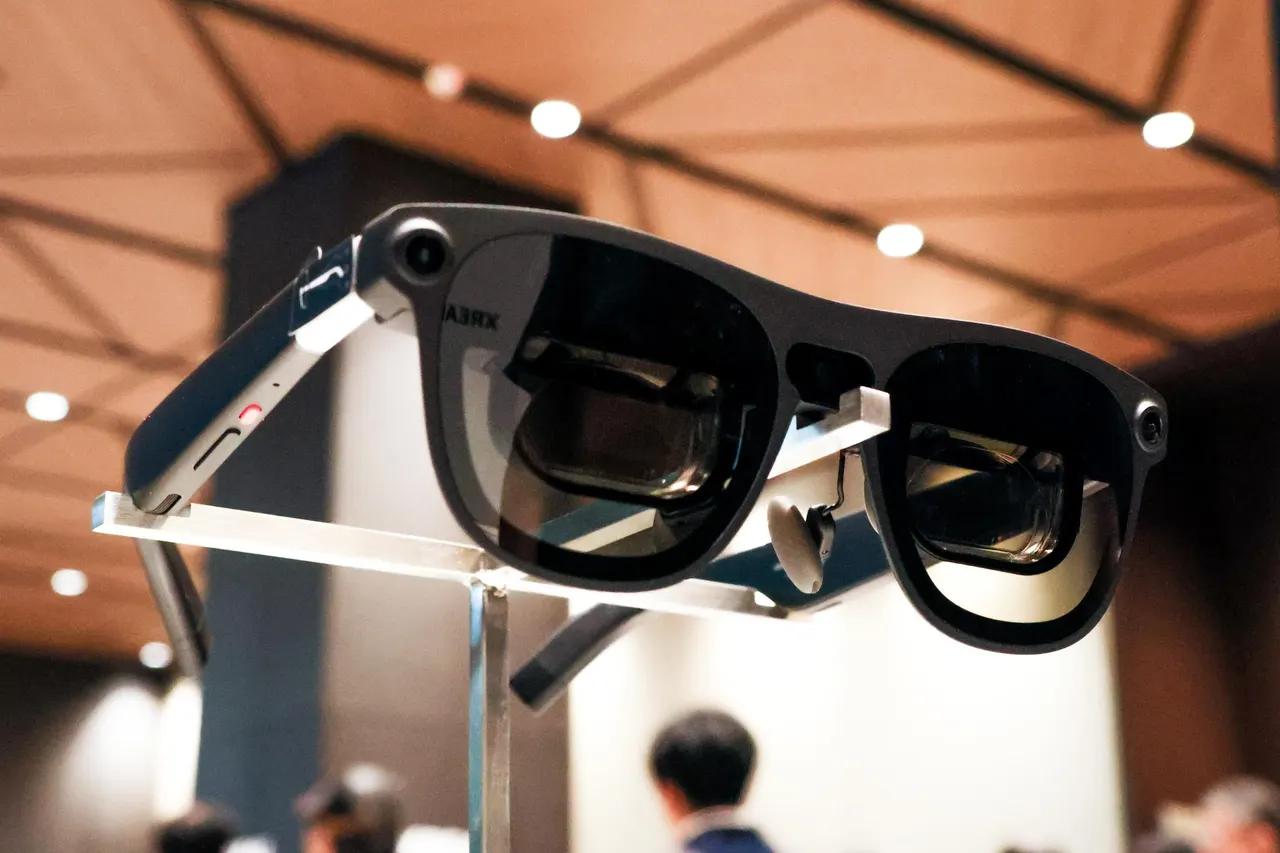
XREAL AURA, the first smart glasses running Google XR, opened for preorders in Japan today. A hands-on session for Japanese media and fans lasted just 20 minutes, but the early verdict is clear: this is a very different product from earlier XREAL glasses and a credible contender in the race for the leading smart glasses.
A wider view than prism-based AR
XREAL and other AR glasses have long promised a portable big screen, but it floats a few meters away in the center of the frame. Most models offer a field of view of around 50 degrees, which many saw as the limit of prism-based designs. AURA reaches 70 degrees diagonal, nearly 1.5 times wider, so the screen seems to fill the entire frame.
The extra width boosts immersion. In a demo of the VR game Demeo, which is also available on Quest, the experience came close to a VR headset. It is not the same as a Quest, which exceeds 90 degrees, but setting the five-step lens dimming to its darkest makes the glasses behave almost like VR goggles.
Each eye gets full HD resolution (1920x1200) from Sony displays. That falls short of Vision Pro or Quest, yet the image looks sharp with no visible dots.
Converging with Meta
The glasses weigh about 100 grams and connect by cable to a computing unit holding the battery and processor. They offer 6DoF spatial tracking and hand tracking. Meta VR Glasses, announced this year, share a similar form: glasses-like shape, roughly 70-degree field of view, 6DoF and hand tracking.
The biggest difference is how the real world appears. AURA uses optical see-through, letting you look directly at your surroundings, while Meta uses video passthrough via cameras. Optical see-through is more power efficient, but Meta's glasses have the edge in sensing, including eye tracking.
A launch campaign sets a special price, with the base model coming in under ¥200,000.
Apps worth a look
 SUMO: the number puzzle
Tap the right tiles, add them up, hit the target. Easy to learn, hard to master. Free, for all ages.
 Dialo: learn languages by speaking
Talk to an AI conversation partner; every sentence comes back corrected and explained in your language. 9 languages, A1 to C2.
 ediviewer: read EDI files like documents
Open EDIFACT and X12 messages, see every segment explained, convert to JSON/XML, export PDF and Excel. Runs locally, no upload.
More from this day
See all →
Los Angeles shade balls: 96 million spheres, 11 years on

OpenVDDK: Free Alternative to VMware's VDDK After Broadcom Lockout

Astragon Entertainment Closes Development Studio in Hamm

Electra Absorbs Mercedes Fast-Charging Hubs, Opens Network to MB.Charge
More in: Hardware
See all →
GeForce RTX 50 shortage pushes Chinese sellers to RTX 30 cards
New iPad mini Has a Smaller Battery, but Runtime Stays at 10 Hours

Ikea Mittzon laptop table: rolling, adjustable, €149