Windows RDMA over USB4 lets mini PCs pool memory for big AI models
Microsoft is testing a Windows feature that links mini PCs with plain USB4 cables, so their memory adds up and a 235-billion-parameter AI model can run across them.
 SUMO· the number puzzle
 Dialo· learn languages by speaking
 ediviewer· read EDI files like documents
 giftdetect· the right gift in minutes
Three mini PCs on a desk, three USB4 cables running between them, and a 235-billion-parameter AI model running as if it lived on one machine. That is the demo behind Windows RDMA over USB4, a feature Microsoft showed on 19 November in developer preview. None of the three PCs could load the model alone: even compressed, Qwen3-235B needs more than the 128 GB each of them has.
RDMA, remote direct memory access, lets one computer read another's memory without going through the usual network stack. Until now that meant datacenter network cards. According to Microsoft, Windows and a USB4 cable are now enough. A small message makes the round trip in 28 microseconds, about four times faster than ordinary Ethernet over the same cable.
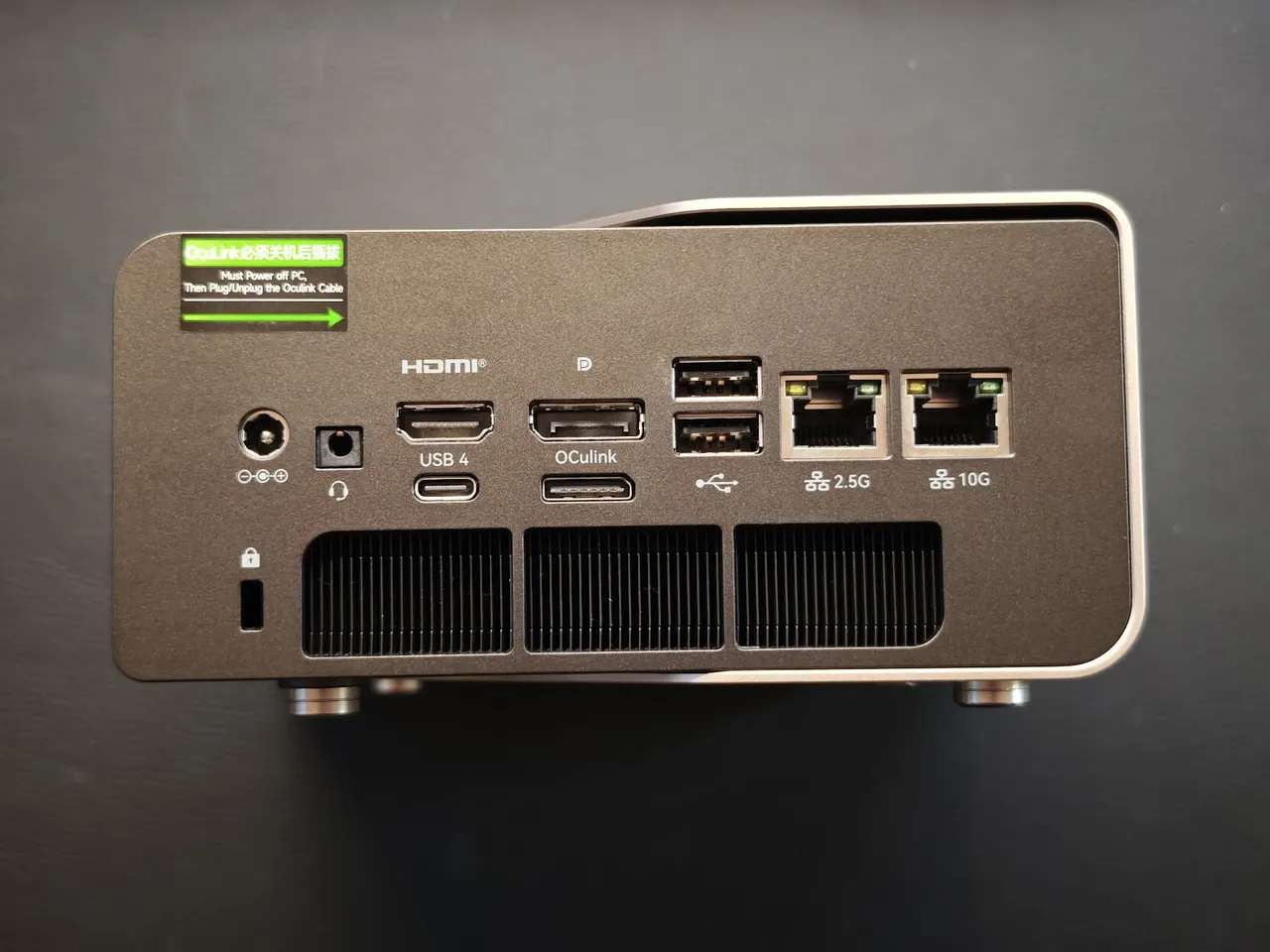
AMD tested three 128 GB Ryzen AI Max+ 395 machines, the chip in the GMKtec EVO-X2. Qwen3-235B produced 18.5 to 21.98 tokens per second (a token is roughly a piece of a word). Intel ran GPT-OSS-120B on three, then four, 64 GB Core Ultra Series 3 PCs and got 49.4, then 54.2 tokens per second.
How does it compare with Nvidia?
Nvidia sells this as a feature. The DGX Spark has a 200 Gb/s ConnectX-7 network chip, and two of them run models up to 405 billion parameters. USB4 tops out at 40 or 80 Gb/s, five times less at 40, but costs nothing extra. Microsoft says latency, which drives text generation, is the same at both speeds.
Can you mix AMD, Intel and Arm?
Nobody knows yet. Every PC must be cabled directly to every other, so two USB4 ports allow a trio and four ports allow five machines. Microsoft only validated identical setups, with the same Windows versions and drivers, and never mentions Arm. The modified llama.cpp it published uses Vulkan, which AMD, Intel and Nvidia GPUs all understand, so mixing is possible in theory.
The feature is not in any public Windows build. Microsoft promises an Insider release soon, and only the NetworkDirect module and the modified llama.cpp are on GitHub. You will also have to turn off Secure Boot. Apple has offered RDMA over Thunderbolt 5 between Macs since macOS 26.2.
Apps worth a look
SUMO: the number puzzleTap the right tiles, add them up, hit the target. Easy to learn, hard to master. Free, for all ages.
Dialo: learn languages by speakingTalk to an AI conversation partner; every sentence comes back corrected and explained in your language. 9 languages, A1 to C2.
ediviewer: read EDI files like documentsOpen EDIFACT and X12 messages, see every segment explained, convert to JSON/XML, export PDF and Excel. Runs locally, no upload.
giftdetect: the right gift in minutesPick who it is for, the occasion and their personality. The search engine reads product descriptions from local shops and ranks what fits. Free, no sign-up.
More from this day
See all →
INFOBAR ZERO is a smartphone where the internet barely exists

Tesla FSD approved in Italy, the 12th EU country to say yes

Google's Robert Pattinson search Easter egg nods to James Bond
Kakao CEO Jung Shin-ah wants AI focus after founder's acquittal
More in: Software
See all →
Microsoft To Do shuts down in summer 2027, Planner is the fix
Windows Baseline Protection lets apps check your PC's security
Apple Developer Academy: a robot built in 3 months by students