Apple Developer Academy: a robot built in 3 months by students
At the Apple Developer Academy in Pohang, a mixed team built Yangpaca, an iPhone-faced home robot, in three months. Another team made a liver-surgery app.
 SUMO· the number puzzle
 Dialo· learn languages by speaking
 ediviewer· read EDI files like documents
 giftdetect· the right gift in minutes
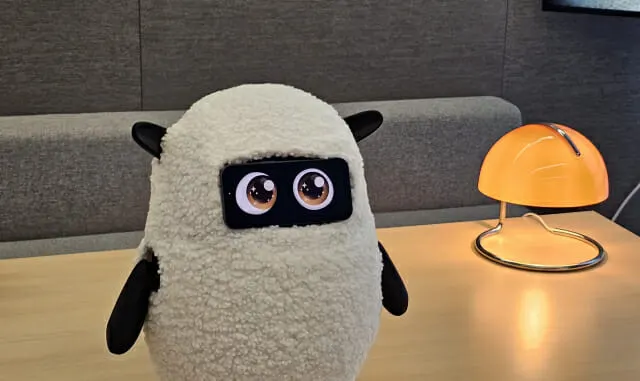
A robot that looks like a cross between a sheep and an alpaca, with an iPhone for a face, was built in just three months by students who mostly did not study the same thing. That is Yangpaca, one of the projects shown at the Apple Developer Academy Showcase 2026 at POSTECH in Pohang, South Korea, on 20 November.
The five or six people on the team studied computer engineering, mechanical engineering, fashion and clothing, and automotive engineering. Engineers handled the 3D-printed body and the internal design, while a designer created the look and the character's backstory. The robot connects to the iPhone over Bluetooth, changes its expression in response to a user's voice, and moves its arms and legs to dance. Hold an carrot with an NFC chip (the same short-range tech used in contactless cards) near it, and it pretends to eat. Because it runs on the iPhone, owners can also interact with it through the app away from home. The team says it aims to ease loneliness for the growing number of people living alone.
What is the Apple Developer Academy?
It is a developer training programme run by Apple and POSTECH, which opened in Pohang in 2022 as the first in East Asia. Learners spend nine months on projects covering app development, design, service planning and more. Anyone aged 19 or older can apply, regardless of age, education or experience. Of this year's roughly 180 graduates, 44% came from non-science and non-engineering backgrounds, and ages ranged from 19 to the 40s. There is no fixed curriculum: it changes each year, and teams choose their own problems.
About 30 of the 480-plus apps built this year were on display, spanning iPhone, iPad, iMac and Vision Pro.
MoonLiver: from class project to startup
MoonLiver turns hundreds of CT and MRI scans into a 3D model of a liver, showing each patient's vessels and tumours so surgeons can plan operations. CEO Kwon Oh-sang says this used to need foreign equipment costing hundreds of millions of won, plus GPUs and outsourced work. MoonLiver, he says, produces results in 15 seconds using only the M4 or M5 chip in an iPad.
Nobody on the team studied medicine. They worked with a mentor, Professor Cho Chan-woo of Yeungnam University, a liver and pancreas surgeon and an earlier academy graduate. Apple helped slim down the AI algorithm and arranged the introduction. The team is now in startup programmes run by Pohang city and an investment securities firm.
Other projects included FORC, a meal management app for teenagers with Crohn's disease, and Hear I am, which helps visually impaired artists move freely on stage.
Apps worth a look
SUMO: the number puzzleTap the right tiles, add them up, hit the target. Easy to learn, hard to master. Free, for all ages.
Dialo: learn languages by speakingTalk to an AI conversation partner; every sentence comes back corrected and explained in your language. 9 languages, A1 to C2.
ediviewer: read EDI files like documentsOpen EDIFACT and X12 messages, see every segment explained, convert to JSON/XML, export PDF and Excel. Runs locally, no upload.
giftdetect: the right gift in minutesPick who it is for, the occasion and their personality. The search engine reads product descriptions from local shops and ranks what fits. Free, no sign-up.
More from this day
See all →
GTA 6 error CE-108255-1 stops the game launching on some PS5s
LG HelloVision to drop four CJ ENM channels on Nov. 26 anyway
Smart glasses cheating on South Korea's CSAT exam: how a student got caught

South Korea CSAT cheating: 111 cases, AI glasses and a death
More in: Software
See all →
Microsoft hotpatch from November Patchday stops some apps starting
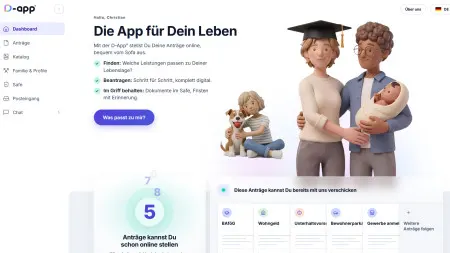
D-App: a private company is building Germany's citizen app

Beeline beeGPT chat bugs: a developer couldn't switch his plan