Who Gives A Crap Confirms Customer Data Breach via Vendor
Who Gives A Crap says a US-based marketing software provider was breached, exposing customer names, emails, phone numbers and addresses. Payment data was not affected.

 SUMO· the number puzzle
 Dialo· learn languages by speaking
 ediviewer· read EDI files like documents
 giftdetect· the right gift in minutes
Who Gives A Crap (WGAC), the Australian maker of recycled toilet paper, has confirmed that customer data was exposed after unknown parties accessed the systems of a third-party marketing software provider. The breach was discovered on 30 October and shut down on 1 November.
According to a statement from co-founder Simon Griffiths, the exposed data includes customer names, email addresses, phone numbers, mailing addresses and information about total spend with WGAC. Payment details, order details and passwords were not included. Canadian customers were not affected, and WGAC accounts were not directly accessed, which Griffiths said "remain secure".
WGAC was notified on 6 November about what Griffiths described as "a US-based software provider" and published details the next day. "We have no evidence of misuse so far," he said. The company has disconnected the provider completely, changed access credentials, notified authorities and emailed potentially affected customers, warning them to watch for phishing and other scams.
Klaviyo link raises questions
WGAC has not named the vendor, saying only that it used customer information to help analyse the effectiveness of the company's marketing spend. The company relies heavily on email rather than paid marketing, and a published case study shows it works closely with Klaviyo, whose tools helped grow its email list by 640% in three years. There is no confirmation that Klaviyo is involved in this incident.
If it were, the scale could be large: BuiltWith data indicates more than 752,000 websites currently link to Klaviyo, including about 40,000 in Australia. Klaviyo has faced earlier security problems, including a 2022 incident in which email lists were stolen.
Marketing platforms are attractive targets because they hold detailed customer data, from spending habits to preferences. For WGAC's customers, the practical risk is targeted phishing using genuine personal details.
Founded in 2012 to help the 2 billion people without access to sanitation, WGAC has donated $20.9 million to charities and aims to reach $50 million by 2028. Its investigation, in contact with the provider, is continuing.
Apps worth a look
SUMO: the number puzzleTap the right tiles, add them up, hit the target. Easy to learn, hard to master. Free, for all ages.
Dialo: learn languages by speakingTalk to an AI conversation partner; every sentence comes back corrected and explained in your language. 9 languages, A1 to C2.
ediviewer: read EDI files like documentsOpen EDIFACT and X12 messages, see every segment explained, convert to JSON/XML, export PDF and Excel. Runs locally, no upload.
giftdetect: the right gift in minutesPick who it is for, the occasion and their personality. The search engine reads product descriptions from local shops and ranks what fits. Free, no sign-up.
More from this day
See all →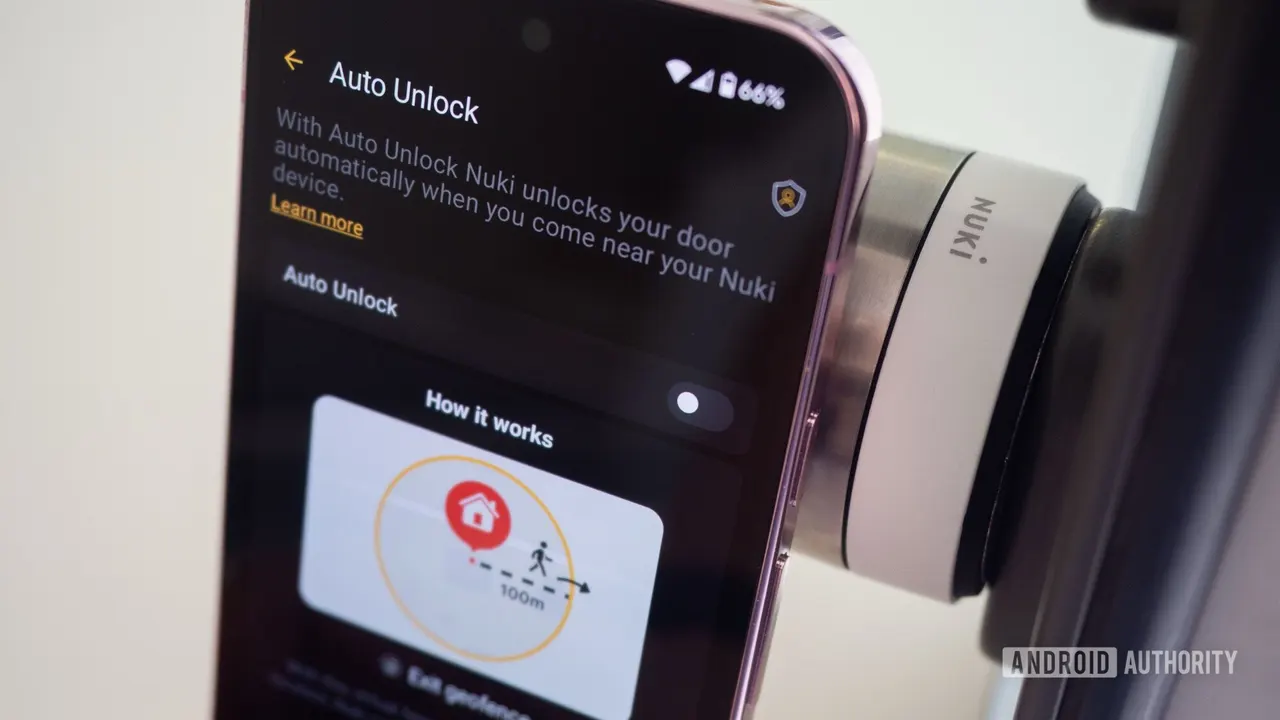
Google Wallet Adds Digital Home Keys for NFC and UWB Smart Locks

TSMC plans up to $1 billion investment in Anthropic and OpenAI

Acecore, Supplya and Navidyn Take Top Spots at TC Battlefield
Airwallex to invest more than $1.6 billion in Singapore over five years
More in: Security
See all →
Yasukuni Shrine Online Shop Breach Exposes 14,500 Records
GMO Aozora Net Bank Halts Banking API Twice After Attacks
Helix Replaces Captchas With a Four-Digit Voice Check