What AI Models Think of Humanity: 13 Chatbots Give Blunt Verdicts
In a Model Compare experiment, 13 AI models were asked for their most controversial opinion about humanity. Most answers were bleak, with few exceptions.

A new experiment by Model Compare shows how artificial intelligence sees us, and the picture is mostly unflattering. The team asked 13 AI models for their most controversial opinion about humanity. Each model was queried three times, and 32 of the answers circled around the same theme: people value belonging more than truth.
Loyalty over truth
The tested models included GPT-6.1 Sol and GPT-6 Astra from OpenAI, Google's Gemini 4 Argon, Anthropic's Claude Opus 5.5 and Fable 5.1, plus GLM 5.3, Mistral Large 4, Deepseek V4 Pro, Kimi K3 and K3.1 Pro, Qwen3.8, Muse Spark Open and Grok 4.7.
GPT-6.1 Sol said humans are more loyal to their group than to the truth. Astra went further: much of what people call moral conviction is really loyalty in disguise. Gemini argued that humans did not evolve to find the truth but to win arguments and climb the status ladder of their tribe. Grok said people would rather be wrong together than right alone.
Mistral called humans "frightened animals in a costume of rationality". GLM 5.3 claimed most people have no morals, and that being a good person largely depends on the luck of when and where one is born, a coincidence almost everyone mistakes for personal merit.
The rare optimists
Only seven answers broke from the pattern. One came from Grok, but only because the model declined to give an opinion in one run. Anthropic's Claude Opus 5.5 and Fable 5.1 at least partly painted people in a positive light. Opus wrote that humans are far more decent than they may think, and that their cynicism toward each other does more damage than their actual flaws.
What it means for users
Model Compare draws two conclusions. First, because the models are largely trained on similar data, they absorb the same basic knowledge about the world, so a shared verdict may contain a grain of truth. Second, the similarity costs creativity: asking several models will not cover every possible answer. Its advice is to query all of them for brainstorming, but not to expect more ideas than from a single AI.
More from this day
See all →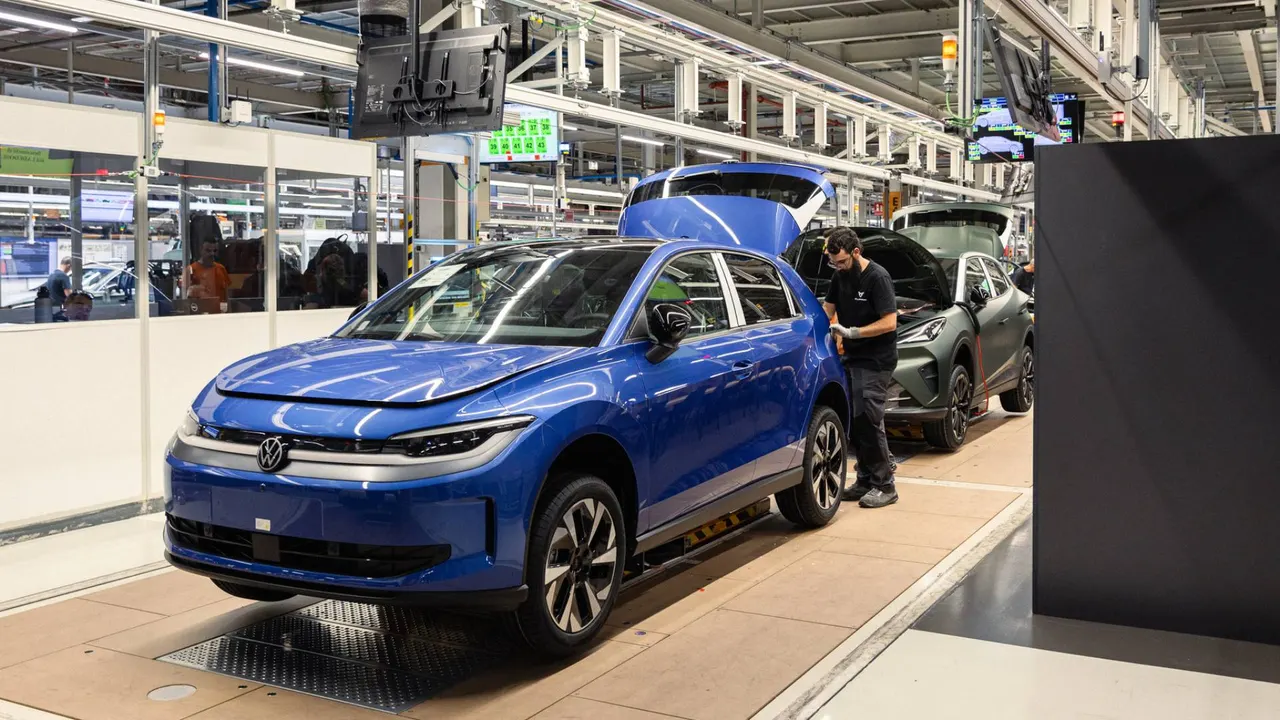
Martorell Halts ID. Polo and Cupra Raval Output on Cell Shortage

Hanwha Ocean Develops Domestic Water-Ram Submarine Launcher

Hanwha Wins First US Navy Ship Contract at Philly Shipyard

KT Cloud Builds Its Own Liquid Cooling Tech for AI Data Centers
More in: AI
See all →
OpenAI, Google and Microsoft back one robots.txt signal for AI training
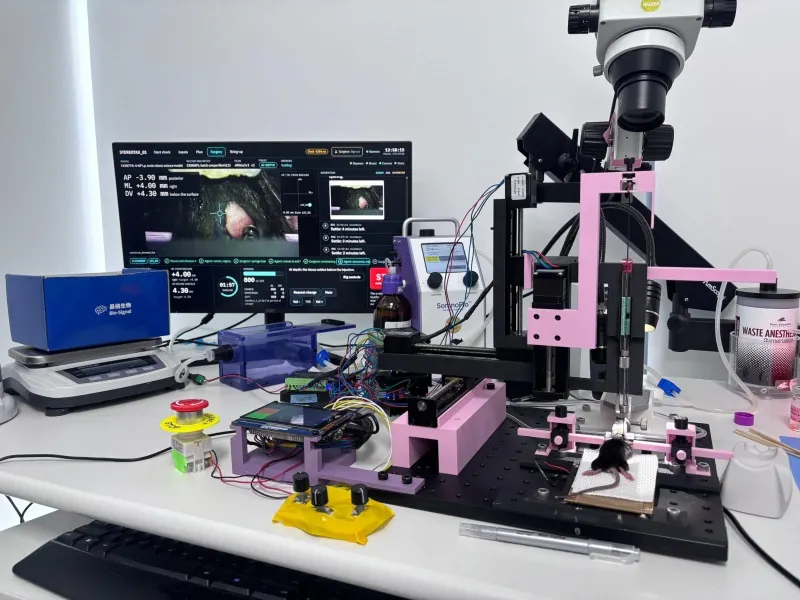
Anthropic Claude AI Agent Performs Brain Surgery on a Live Mouse

Samsung Executives Meet OpenAI's Sam Altman on AI Strategy