Vulcan Centaur failure traced to fuel supply, not BE-4 engines
ULA says the Vulcan Centaur failure that lost 40 Amazon Leo satellites came from too little fuel reaching the BE-4 engines, not from the engines themselves.
 SUMO· the number puzzle
 Dialo· learn languages by speaking
 ediviewer· read EDI files like documents
 giftdetect· the right gift in minutes
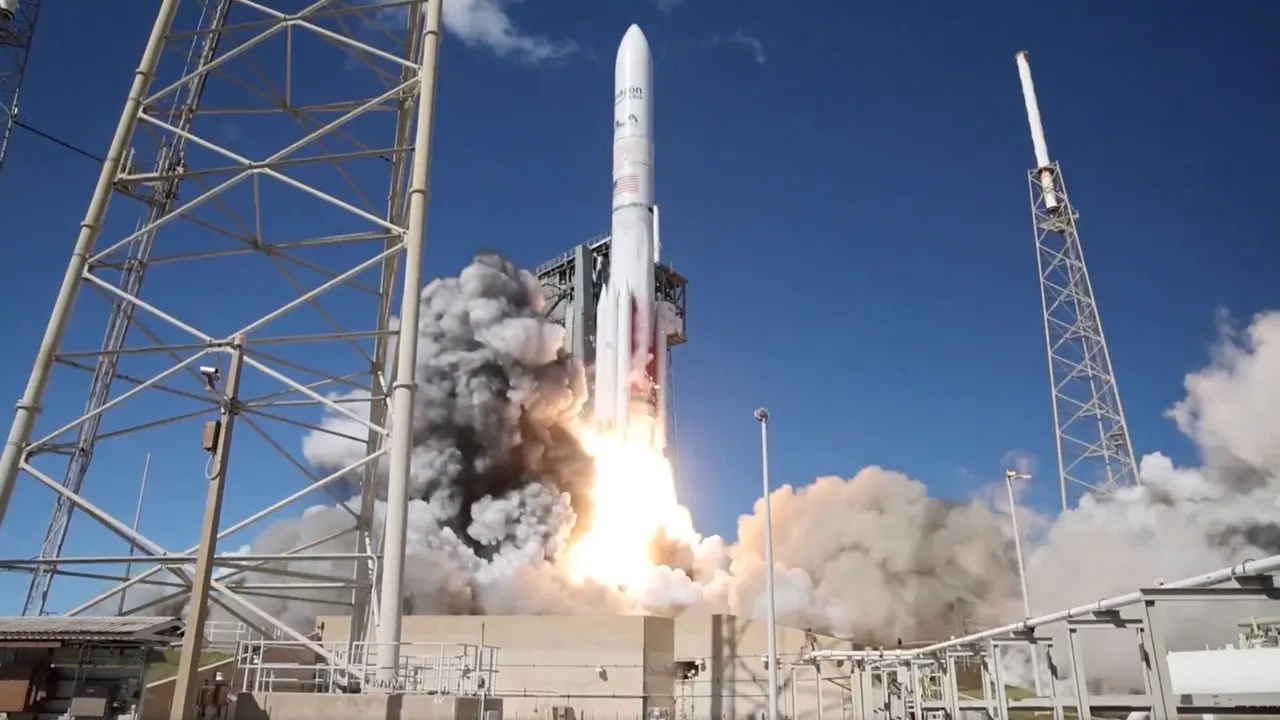
United Launch Alliance now thinks it knows where its Vulcan Centaur rocket went wrong. The Nov. 15 failure, which cost 40 Amazon Leo internet satellites, appears to come from the way fuel reached the first-stage engines, not from the engines.
The launch lifted off from Florida's Space Coast on Sunday. ULA soon pointed to the first stage, and in an update on Nov. 18 it narrowed the problem further. "While work remains to determine cause, preliminary indications are that the low booster thrust was the result of inadequate fuel supply from the vehicle to the BE-4 engines, not from the performance of the engines," the company wrote.
Why the BE-4 finding matters
The BE-4 is built by Blue Origin, Jeff Bezos' space company. Two of them power Vulcan's first stage. They also drive Blue Origin's own New Glenn rocket, which uses seven or nine BE-4s in its first stage depending on the configuration. New Glenn has troubles of its own: it exploded during a test on May 28, and Blue Origin is working to get it flying again. So a result that clears the engine is welcome news there.
ULA also said the six solid rocket boosters and the Centaur V upper stage, which runs on an RL-10 engine, seem to have performed well. Further analysis is firming that up.
Vulcan's rocky record
The boosters have been a worry before. On Vulcan's second flight in October 2024 and its fourth in February this year, a booster nozzle burned through and fell off about 30 seconds into flight. Both times the rocket still reached orbit. ULA and booster maker Northrop Grumman then tweaked the nozzle design, and Sunday's boosters behaved normally.
Sunday was only the fifth Vulcan flight. The rocket, successor to the Atlas V, debuted in January 2024 and has had issues on three of its five flights, though this is the only one that ended in failure.
How long will Vulcan be grounded?
Nobody knows yet. After the February booster problem Vulcan sat out about nine months. This time the length depends on what ULA's investigation finds. The U.S. Federal Aviation Administration is overseeing it.
Apps worth a look
SUMO: the number puzzleTap the right tiles, add them up, hit the target. Easy to learn, hard to master. Free, for all ages.
Dialo: learn languages by speakingTalk to an AI conversation partner; every sentence comes back corrected and explained in your language. 9 languages, A1 to C2.
ediviewer: read EDI files like documentsOpen EDIFACT and X12 messages, see every segment explained, convert to JSON/XML, export PDF and Excel. Runs locally, no upload.
giftdetect: the right gift in minutesPick who it is for, the occasion and their personality. The search engine reads product descriptions from local shops and ranks what fits. Free, no sign-up.
More from this day
See all →
Binance hackers stole 192 tokens across 11 blockchains, court papers show

Google Search on school Chromebooks: NYC, LA, Chicago eye exits

AI models flag civilians as military targets in new experiment

Uber and Momenta start a robotaxi pilot in Munich, Germany
More in: Space
See all →
Musk says Zelenskyy is lying about Starshield and Starlink
Voyager 1 is now one light-day from Earth, a first for any human-made object

Voyager 1 is now one light-day from Earth, and still inside