Vibe coding is pushing synth makers to open source their gear
A $70 DX7 clone, a subreddit and AI coding tools are changing how music gear is made. Akai, Behringer and Polyend are opening up. Elektron is not thrilled.
 SUMO· the number puzzle
 Dialo· learn languages by speaking
 ediviewer· read EDI files like documents
 giftdetect· the right gift in minutes
Vibe coding, where you describe what you want and an AI like Claude writes the code, has reached the synth world. Music gear makers are now deciding whether to fight it or open their devices up. Many are choosing to open up.
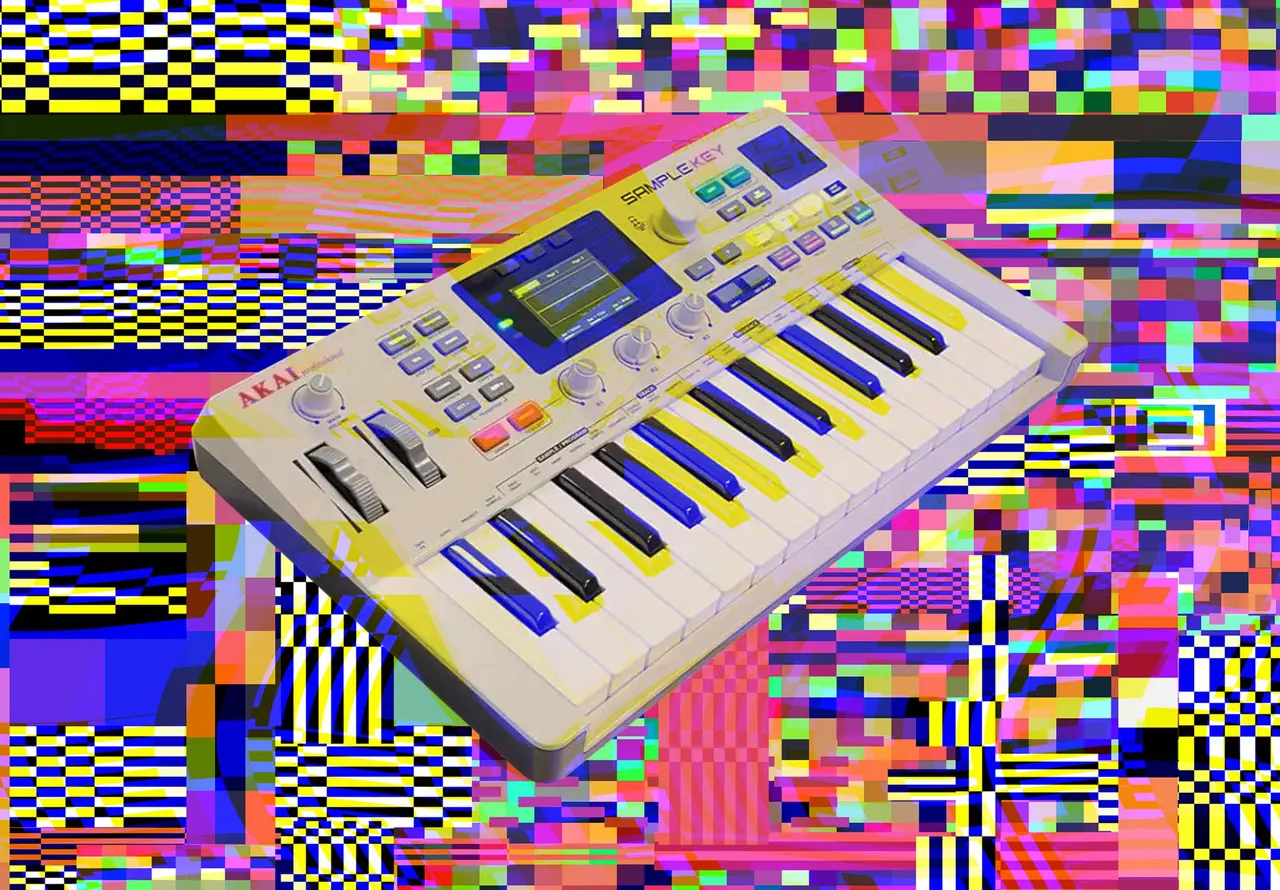
The biggest name is inMusic, the parent company of Akai, Moog and Native Instruments. CEO Jack O'Donnell says the company will "provide a toolbox to the community," meaning the inner workings of something like an MPC or Sample. That includes a new SDK (a developer kit) and several open-source devices, among them the recently teased MPC Sample Key. Akai wants to keep its gear dependable for professionals, so it plans to "give them a reset button" so modders can experiment without losing what they have.
Behringer has moved fast too. In a few weeks it announced a $150 MPC One clone called Kick, a clone of the E-mu SP-1200, the Anima DJ controller, the Ignite sequencer and the Polykeys 61 MIDI controller, all open source. No launch dates are known.
How did the FM-1 start the open-source synth wave?
M-Vave's FM-1 helped kick it off. This $70 pocket clone of the Yamaha DX7 became the synth of the summer for its price and its '80s tones, and because it turned out to be very hackable. There are well over a dozen custom firmwares for it. M-Vave answered with its own open-source firmware and confirmed that a successor, the FM-2, is in development and will be open source too.
Erica Synths released the source code for its LXR-02 drum machine, though founder Ģirts Ozoliņš is not sold on vibe coding: "I'm still wondering what fundamental problem vibe coding solves." He does like that you can try options on one box instead of buying five or ten plastic ones. Polyend has open-sourced its Tracker grooveboxes, after last year's Endless pedal let users vibe-code their own effects.
Which companies are against modded firmware?
Elektron banned links to custom firmware from its official forums, warning that mods could brick devices, block updates or affect warranty coverage. Its CPO Christian Alsing said he is sympathetic to hackers and thinks users may modify their devices, but he rejected the claim that Elektron withholds features. Roland, Korg, Arturia and Novation did not comment and have made no public statements.
Apps worth a look
SUMO: the number puzzleTap the right tiles, add them up, hit the target. Easy to learn, hard to master. Free, for all ages.
Dialo: learn languages by speakingTalk to an AI conversation partner; every sentence comes back corrected and explained in your language. 9 languages, A1 to C2.
ediviewer: read EDI files like documentsOpen EDIFACT and X12 messages, see every segment explained, convert to JSON/XML, export PDF and Excel. Runs locally, no upload.
giftdetect: the right gift in minutesPick who it is for, the occasion and their personality. The search engine reads product descriptions from local shops and ranks what fits. Free, no sign-up.
More from this day
See all →


More in: Hardware
See all →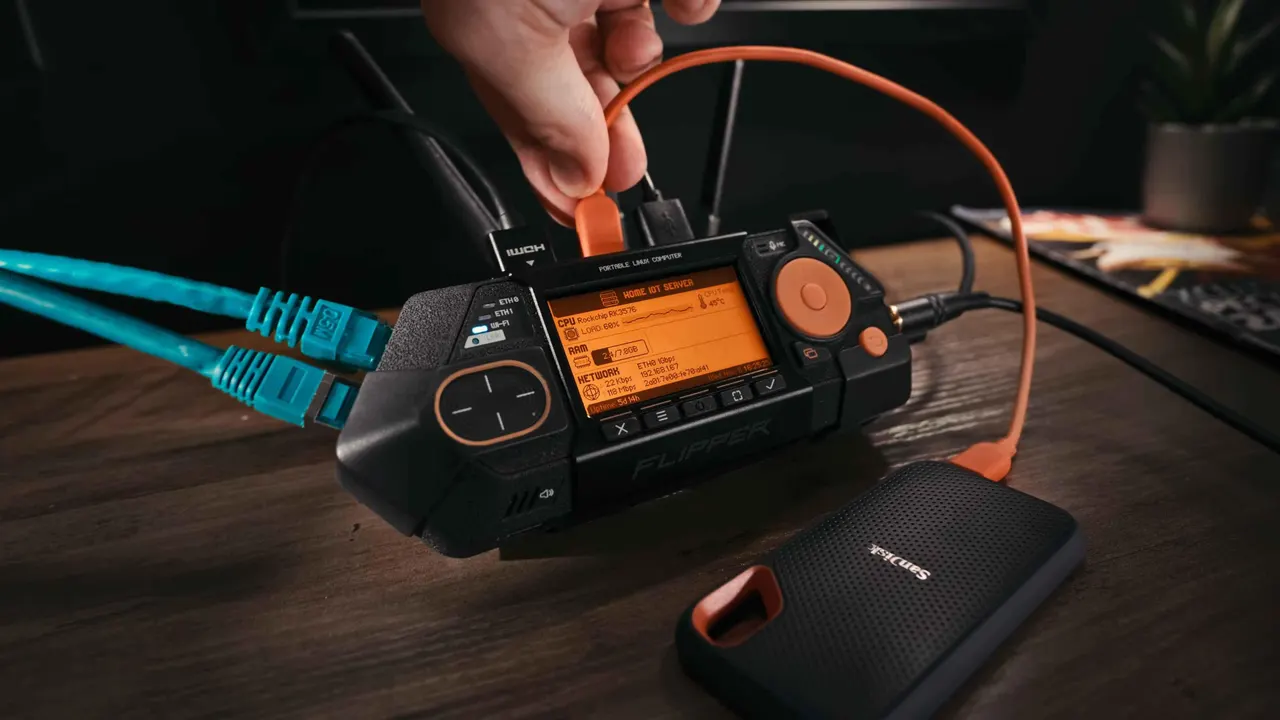
Flipper One: the Flipper Zero follow-up is a pocket Linux PC

Roku TV refresh rate setting: how to watch films at 24fps
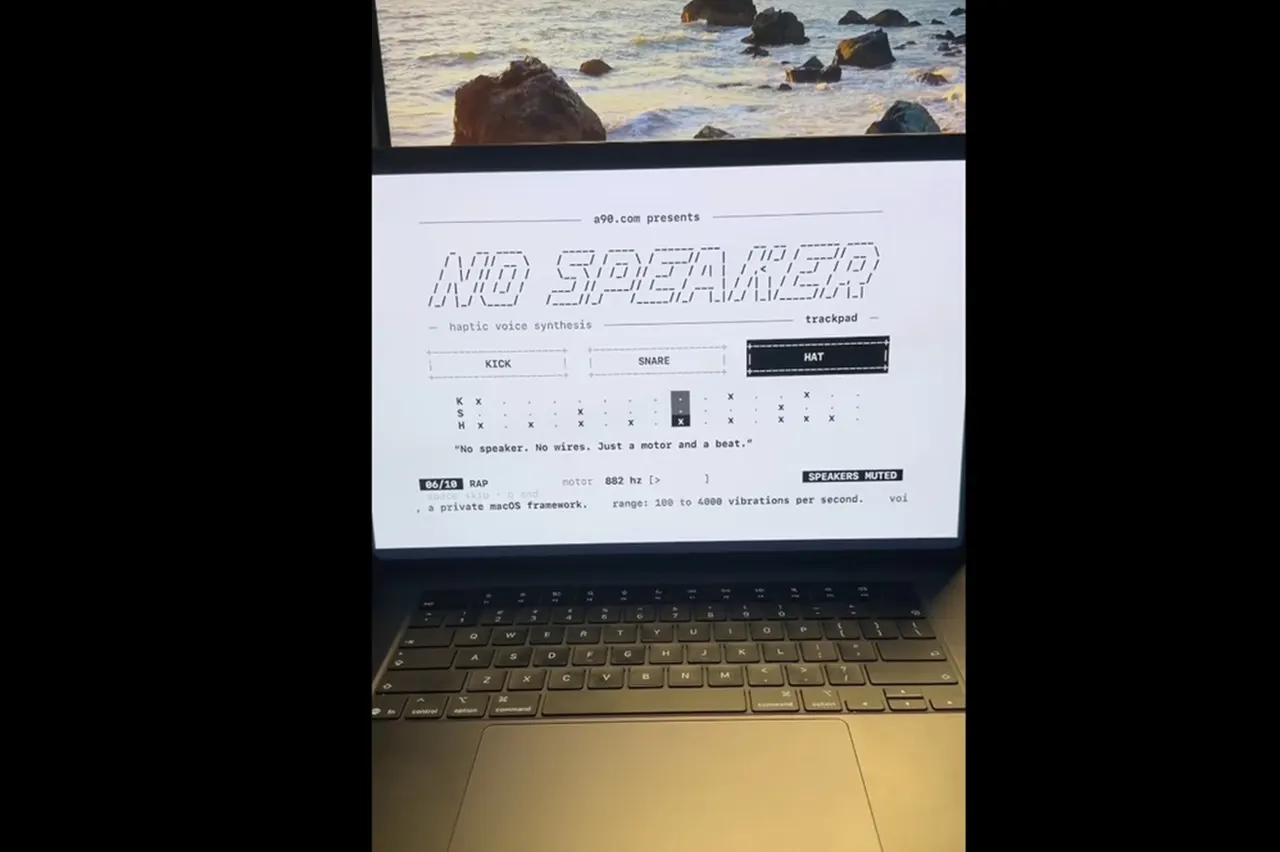
MacBook trackpad talks: NO SPEAKER turns a haptic motor into a voice