USC stress-detecting smart ring spots sweat before it appears
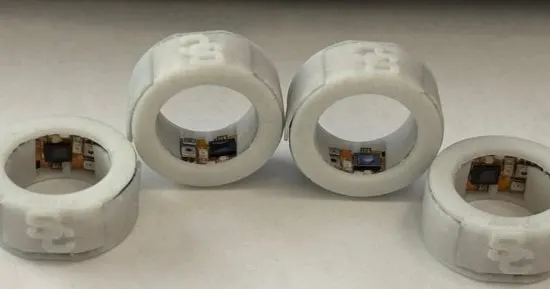
Engineers at the University of Southern California built a smart ring that reads stress through infrared light, picking up sweat gland activity before any sweat shows.
 SUMO· the number puzzle
 Dialo· learn languages by speaking
 ediviewer· read EDI files like documents
 giftdetect· the right gift in minutes
A smart ring from the University of Southern California can pick up stress before you have actually started to sweat. Engineers there built it with near-infrared light and an AI model that runs on the ring itself.
How does the stress-detecting smart ring work?
Most wearables spot stress by measuring the skin's electrical activity. That needs electrodes pressed against the skin, and accuracy can drift over time as you move or as the gel in the sensors dries out.
The USC ring skips electrodes. It has two near-infrared LEDs. One shines at 960 nanometres and tracks changes in water content under the skin. The other, at 1250 nanometres, serves as a reference. The researchers call the method photoplethysmographic... no, they name it "optical skin activity" in plain terms: it catches sweat gland changes even before sweat reaches the surface. The same optics also read heart rate and how regular it is.
A temperature sensor and an accelerometer help the ring tell emotional stress apart from sweat caused by exercise or a hot room.
How accurate is it?
The early numbers are promising, though small. On average the ring agreed 86% with conventional electrode-based stress sensors. In short tests with six participants, it separated stress from relaxation with 92.3% accuracy, against 77.95% for the traditional sensor.
When it had to sort four states (relaxation, physical movement, heat-driven sweating and stress), it scored 100%, while the conventional sensor managed 74.58%. Worn for 12 hours, the ring kept 79.55% accuracy. The gel-based sensor fell to 57.35%.
What happens to your data?
The AI model runs directly on the device, so raw biometric data is not sent to outside servers. That cuts processing time and keeps personal data more private.
The team now plans a year-long study with 40 people in a workplace, to see how the ring copes with daily life, heavy sweating and different psychological factors. The technology is still going through patent procedures, and the researchers say it could later be licensed to companies.
Apps worth a look
SUMO: the number puzzleTap the right tiles, add them up, hit the target. Easy to learn, hard to master. Free, for all ages.
Dialo: learn languages by speakingTalk to an AI conversation partner; every sentence comes back corrected and explained in your language. 9 languages, A1 to C2.
ediviewer: read EDI files like documentsOpen EDIFACT and X12 messages, see every segment explained, convert to JSON/XML, export PDF and Excel. Runs locally, no upload.
giftdetect: the right gift in minutesPick who it is for, the occasion and their personality. The search engine reads product descriptions from local shops and ranks what fits. Free, no sign-up.
More from this day
See all →
Kh-101 missiles found at three crash sites in Poland, prosecutors say
mBank warns of card scams after the Autopay data leak
Google homepage drops the Search button for AI tools

iOS 27 Connectivity Assist: Your iPhone Can Now Pair Wi-Fi With Mobile Data
More in: Hardware
See all →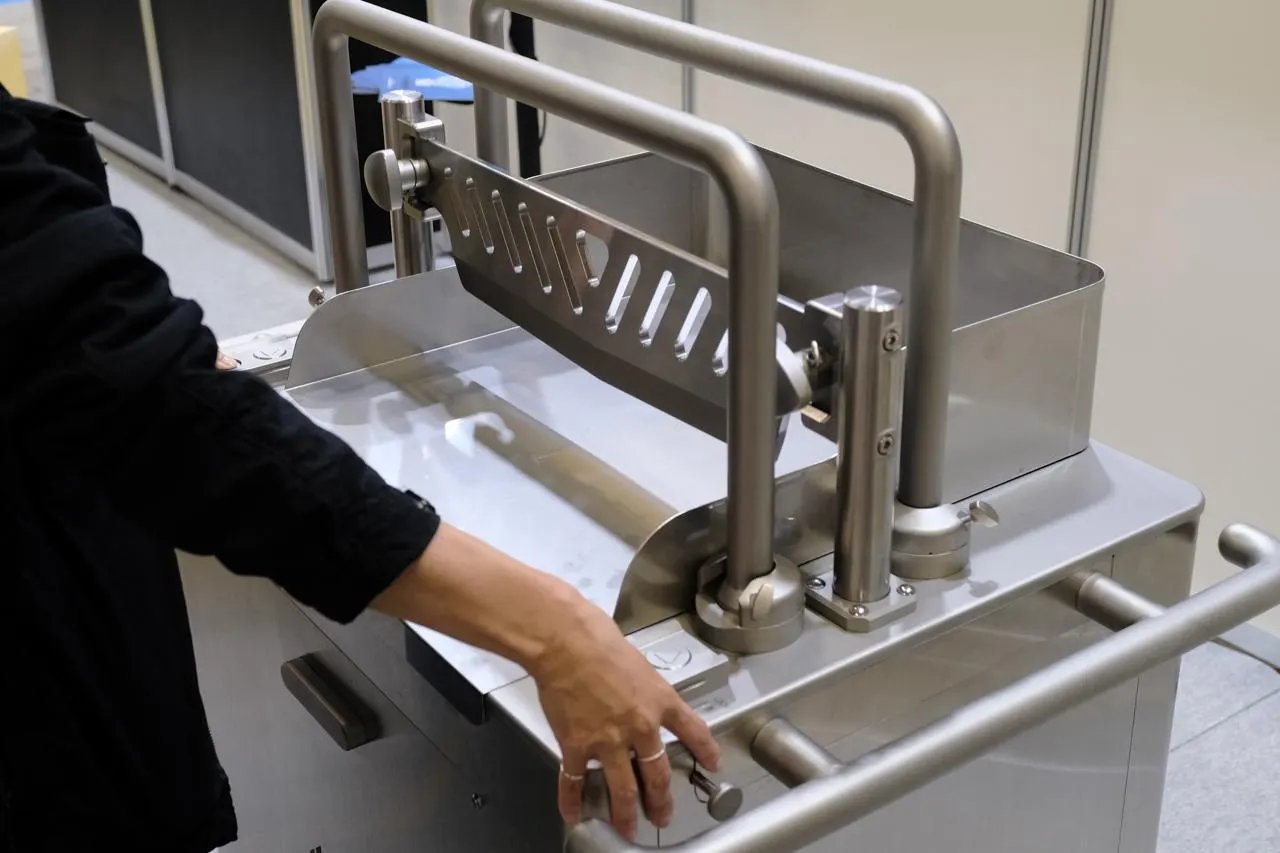
BataSla: The Machine That Slices 25 kg Blocks of Frozen Butter

ZOOM NEURIG Lets You Describe a Guitar Tone and AI Builds It
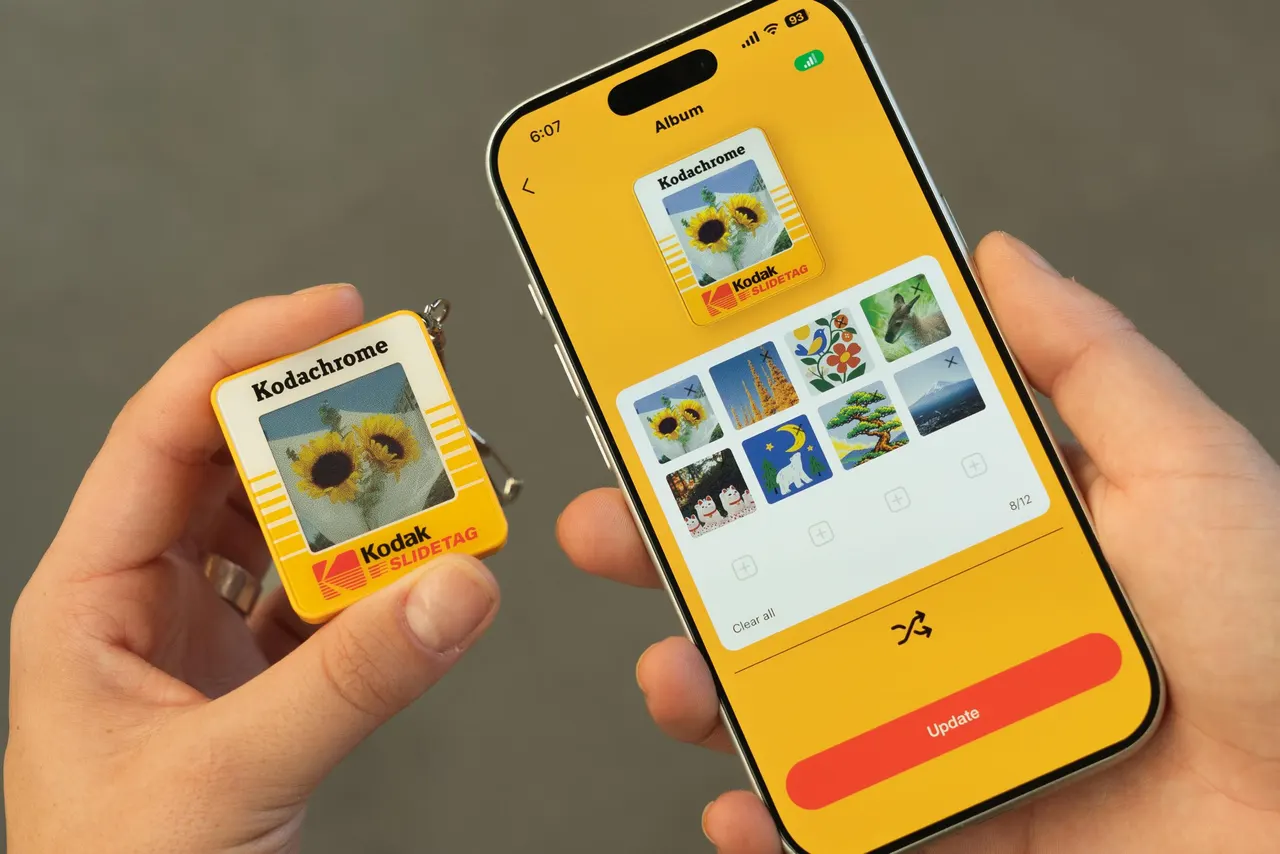
Kodak SlideTag: a $34.99 keychain photo frame that tracks