USB-C wall sockets: why DC power is coming back to buildings
Plug a laptop straight into the wall with no charger brick. A few offices already run on direct current, and solar panels and data centers are pushing the idea.
 SUMO· the number puzzle
 Dialo· learn languages by speaking
 ediviewer· read EDI files like documents
 giftdetect· the right gift in minutes
Imagine a wall socket that charges your laptop over USB-C, no charger brick in between. It exists, in a few buildings, and it comes from an idea that lost a famous fight 130 years ago: direct current.
In late 19th-century America, Thomas Edison backed direct current (DC) for spreading electricity. The trouble was voltage. Power equals voltage times current, so at a fixed voltage, more power means more current in the cables and more heat lost. Edison's New York networks ran at about 100 volts, and plants could not sit more than two kilometres from their customers.
Nikola Tesla, who worked for Edison, developed an alternating current (AC) system instead. Edison wasn't interested. AC won because a transformer can change its voltage easily, which allows much bigger networks. In August 1895 the Edward Dean Adams plant at Niagara Falls started up, and by November 1896 it was sending 11,000-volt AC to Buffalo, over 30 kilometres away.
Why is direct current making a comeback?
Today, computers, smartphones, electric cars and LED lights all run on DC. So do solar panels and lithium batteries. Meanwhile, power electronics now make it simple to change DC voltage, which was the old technology's main flaw.
Some examples are already running. RTE, the French grid operator, uses high-voltage DC links for interconnections, including the 2,000 MW France-Spain line commissioned in 2015. Nvidia has shown a data center design that delivers 800 volts DC to server racks, and says it needs 45% less copper than a 415-volt AC setup.
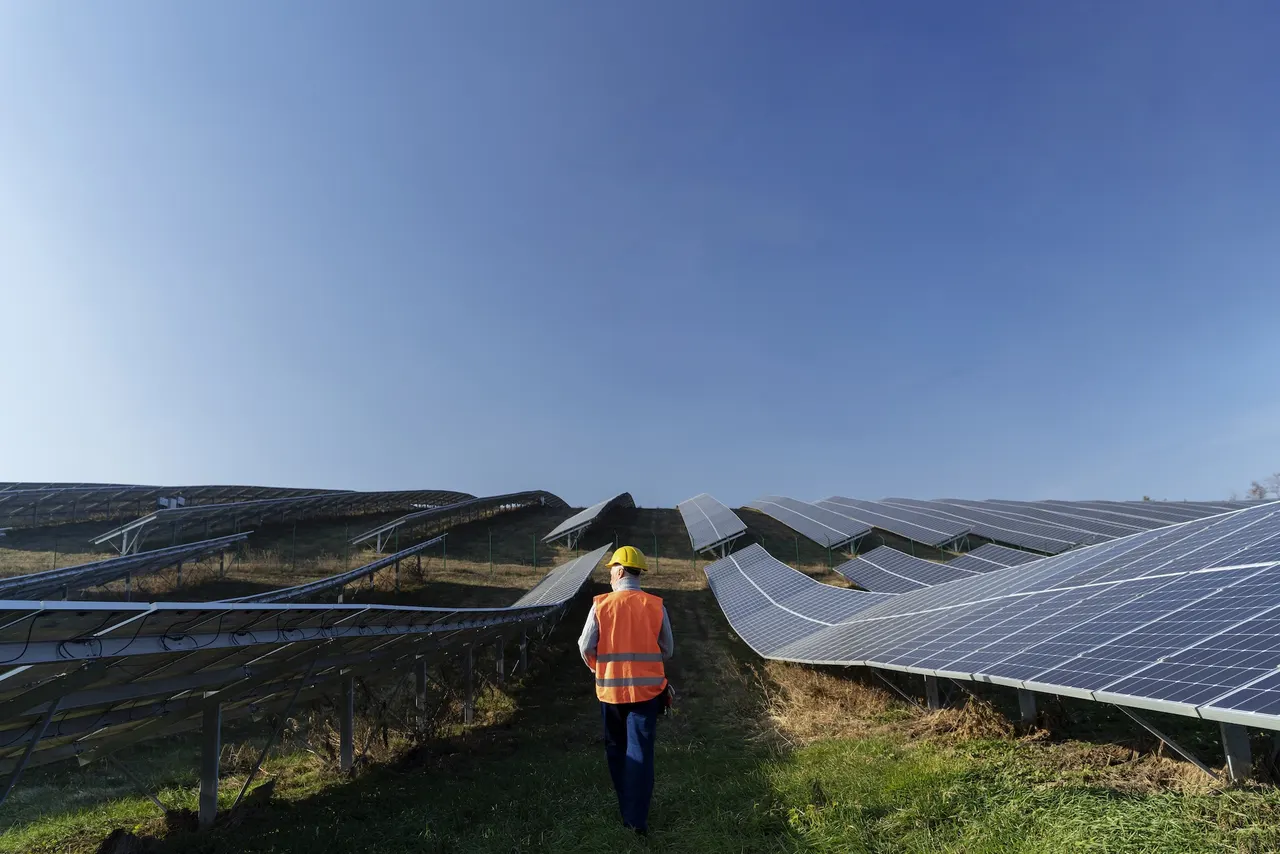
In Lille, Vinci Energies has powered about 300 m² of offices in its Wave building with 350 volts DC since June 2024, straight from rooftop solar panels. The company reports 50% less copper and 20% lower energy use over the first months. In Amsterdam, ABN AMRO's Circl pavilion, opened in September 2017, used a 350-volt DC network with 500+ solar panels and 100-watt USB-C sockets.
Will DC replace AC at home?
Unlikely. The ecosystem built around AC is too big. The two should live side by side: AC for the existing grid, DC where production and consumption are already DC, such as solar-equipped buildings and data centers.
Apps worth a look
SUMO: the number puzzleTap the right tiles, add them up, hit the target. Easy to learn, hard to master. Free, for all ages.
Dialo: learn languages by speakingTalk to an AI conversation partner; every sentence comes back corrected and explained in your language. 9 languages, A1 to C2.
ediviewer: read EDI files like documentsOpen EDIFACT and X12 messages, see every segment explained, convert to JSON/XML, export PDF and Excel. Runs locally, no upload.
giftdetect: the right gift in minutesPick who it is for, the occasion and their personality. The search engine reads product descriptions from local shops and ranks what fits. Free, no sign-up.
More from this day
See all →
OLED TV flaw found in an 18,000-hour test hits LG and Sony
Tesla Assisted Driving (ex-FSD) gets Finland's green light
GTA 6 on PS5 needs system update 26.07-14.23.00 before launch