OLED TV flaw found in an 18,000-hour test hits LG and Sony
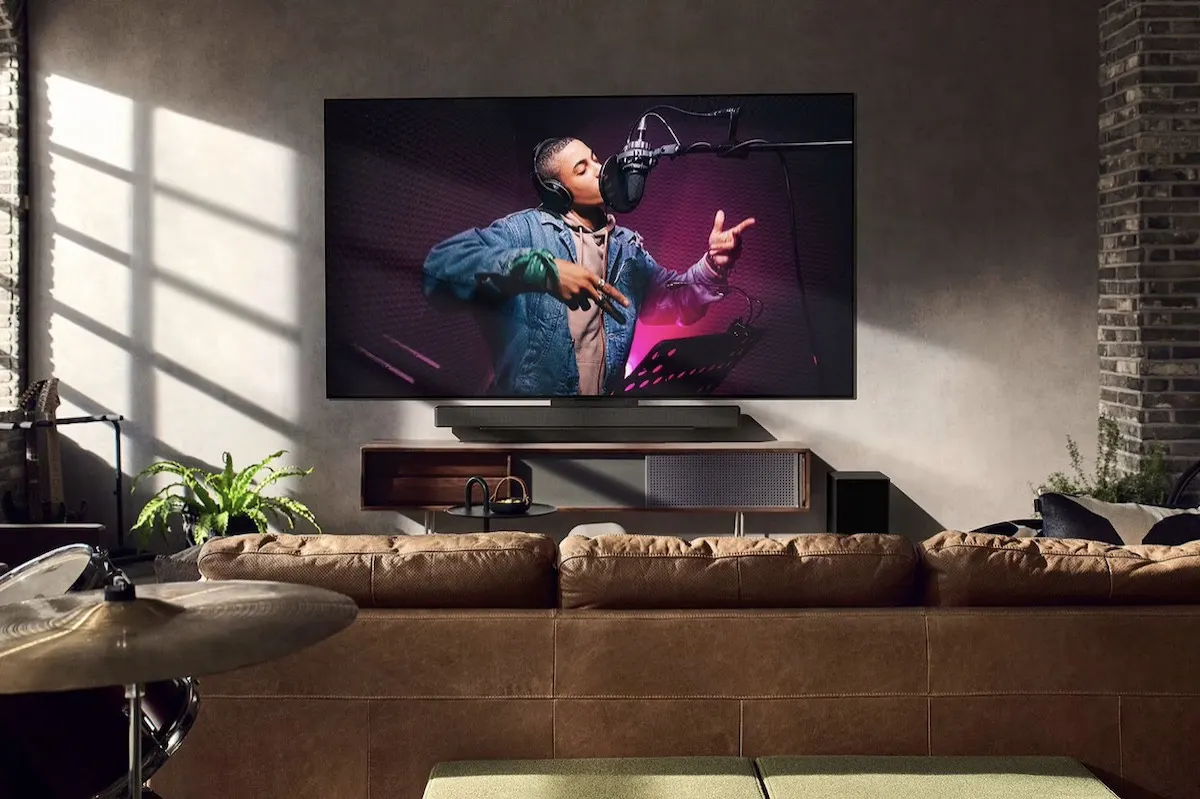
An endurance test running 18,000 hours has exposed a hidden weakness in OLED TVs, and popular LG and Sony models are among those affected.
 SUMO· the number puzzle
 Dialo· learn languages by speaking
 ediviewer· read EDI files like documents
 giftdetect· the right gift in minutes
If you are shopping for an OLED TV, a new long-term test is worth knowing about. After 18,000 hours of running, it turned up a hidden flaw in OLED televisions, and some well-liked LG and Sony models are among those that suffered.
That is a lot of screen time. Eighteen thousand hours is roughly two years of a TV that never gets switched off, which is the point of this kind of test: it shows what a set looks like long after the showroom glow has faded.
Which OLED TVs are affected?
According to the report on the test, the problems touched popular models from LG and Sony, two brands that dominate many OLED shopping lists. The material available so far does not spell out which exact models fared worst, or how serious the flaw is in everyday viewing, so it is too early to say whether your particular TV is at risk.
What should buyers do?
Nothing dramatic yet. OLED screens are still widely praised for their picture, and one test does not make every set a bad purchase. But if you are about to spend serious money, check the detailed results for the exact model you have in mind before you buy, and look at what the warranty covers over a long period of use.
Apps worth a look
SUMO: the number puzzleTap the right tiles, add them up, hit the target. Easy to learn, hard to master. Free, for all ages.
Dialo: learn languages by speakingTalk to an AI conversation partner; every sentence comes back corrected and explained in your language. 9 languages, A1 to C2.
ediviewer: read EDI files like documentsOpen EDIFACT and X12 messages, see every segment explained, convert to JSON/XML, export PDF and Excel. Runs locally, no upload.
giftdetect: the right gift in minutesPick who it is for, the occasion and their personality. The search engine reads product descriptions from local shops and ranks what fits. Free, no sign-up.
More from this day
See all →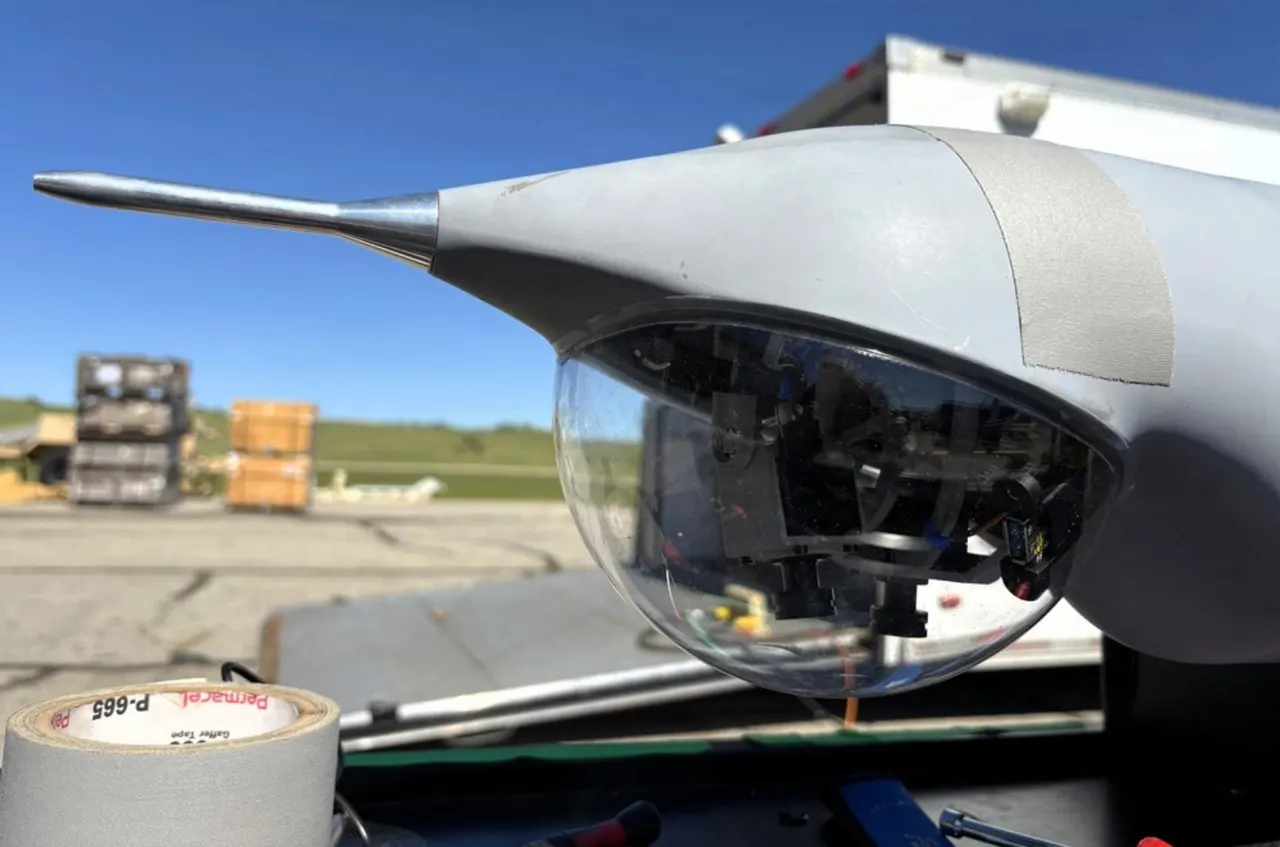
AltNav: a drone flew 6 hours over the Pacific without GPS
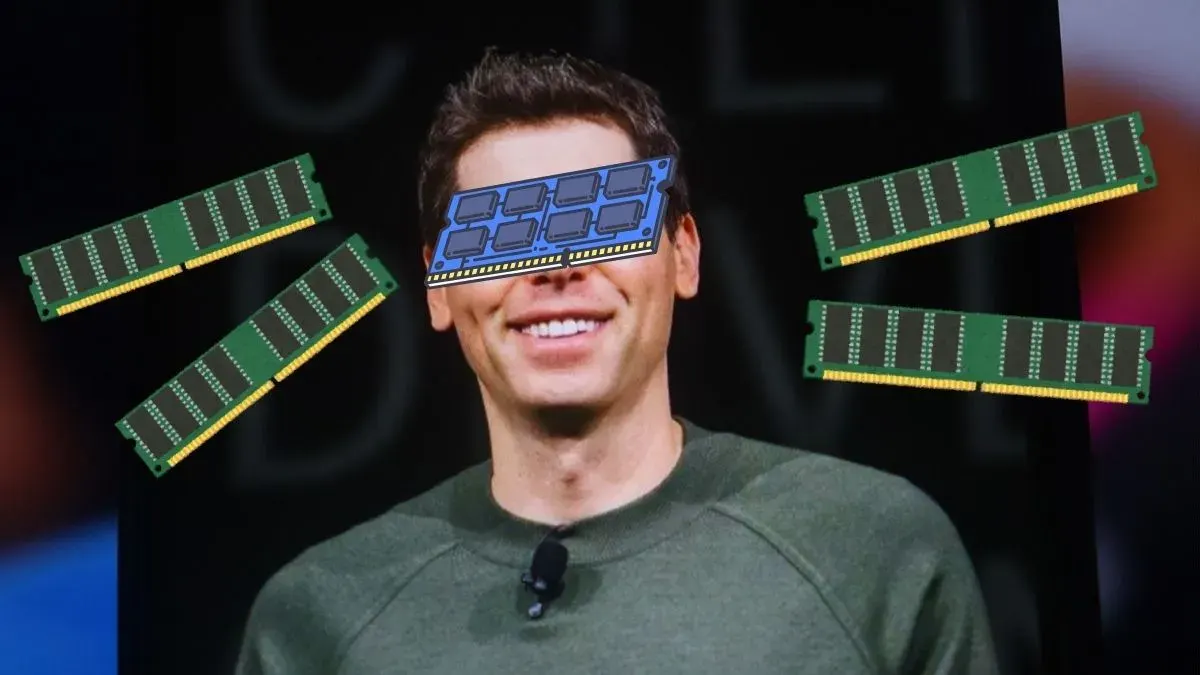
Sam Altman wants everyone to have lots of RAM, after prices soared

USB-C wall sockets: why DC power is coming back to buildings