Turla Cereal malware copied government emails to Moscow
ESET found Cereal, spyware hidden inside Microsoft Exchange servers in Romania and Kazakhstan that quietly copied emails sent to NATO and EU contacts.
 SUMO· the number puzzle
 Dialo· learn languages by speaking
 ediviewer· read EDI files like documents
 giftdetect· the right gift in minutes
A civil servant sends an email to a NATO contact. It leaves the government server, arrives as normal, and nothing looks wrong. Meanwhile, a program hidden in the mail system has read it, spotted a document of interest and prepared a copy for Russian spies.
That is the mechanism security firm ESET says it uncovered. It blames Turla, a group long linked to Russia's FSB security service. The attackers took over Microsoft Exchange mail servers at government bodies in Romania and Kazakhstan.
What is Cereal malware?
ESET named the toolkit Cereal. Its key part, CerealBox, hides inside the process that handles mail flow on Exchange. It does not install a visible new service. It hooks into existing Exchange mechanisms, so the original message still reaches its recipient.
It is also picky. CerealBox only looks at emails with DOC, DOCX or PDF attachments, then checks senders, recipients, subjects and file names. Only matching messages are packed, encrypted and left for the operators to collect.
In Romania, where the same toolkit was used on 23 December 2025, the setup searched for correspondence with addresses tied to NATO and EU institutions. That does not mean NATO or the European Commission were breached. The victim was an organisation that wrote to them. ESET has not named the Romanian body, the content of the stolen mail, or how much data was taken.
No server of their own
Most spyware phones home to attacker-controlled servers, which can give it away. Here, a module called CerealNeuron sat on the infected Exchange server and waited for specially crafted web requests that looked like ordinary mail traffic. Commands arrived through the victim's own infrastructure. The code also ran largely in memory, leaving fewer traces on disk, and ESET notes advanced use of .NET that requires deep knowledge of Exchange internals.
The attribution rests on earlier known Turla tools and technical similarities, not on identifying individual operators. Turla has been active since at least 2004. In 2023 the FBI disrupted its Snake spyware in Operation Medusa. ESET says about 70 percent of the countries the group has targeted since 2022 were former Soviet republics or European states historically tied to the USSR. How the attackers first got in is unknown.
Apps worth a look
SUMO: the number puzzleTap the right tiles, add them up, hit the target. Easy to learn, hard to master. Free, for all ages.
Dialo: learn languages by speakingTalk to an AI conversation partner; every sentence comes back corrected and explained in your language. 9 languages, A1 to C2.
ediviewer: read EDI files like documentsOpen EDIFACT and X12 messages, see every segment explained, convert to JSON/XML, export PDF and Excel. Runs locally, no upload.
giftdetect: the right gift in minutesPick who it is for, the occasion and their personality. The search engine reads product descriptions from local shops and ranks what fits. Free, no sign-up.
More from this day
See all →


More in: Security
See all →
Europol seizes 6 million stolen logins: how to check yours
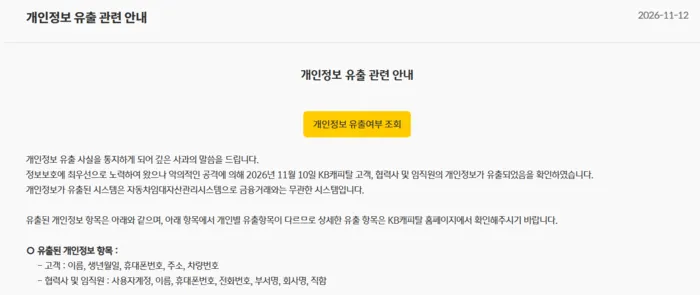
KB Capital data breach exposes details of 1,811 people
Onamae.com Desktop Cloud hack: GMO faces $200M-plus in claims