Switch 2 dock hack: a €40 USB-C hub tricked into acting like Nintendo's
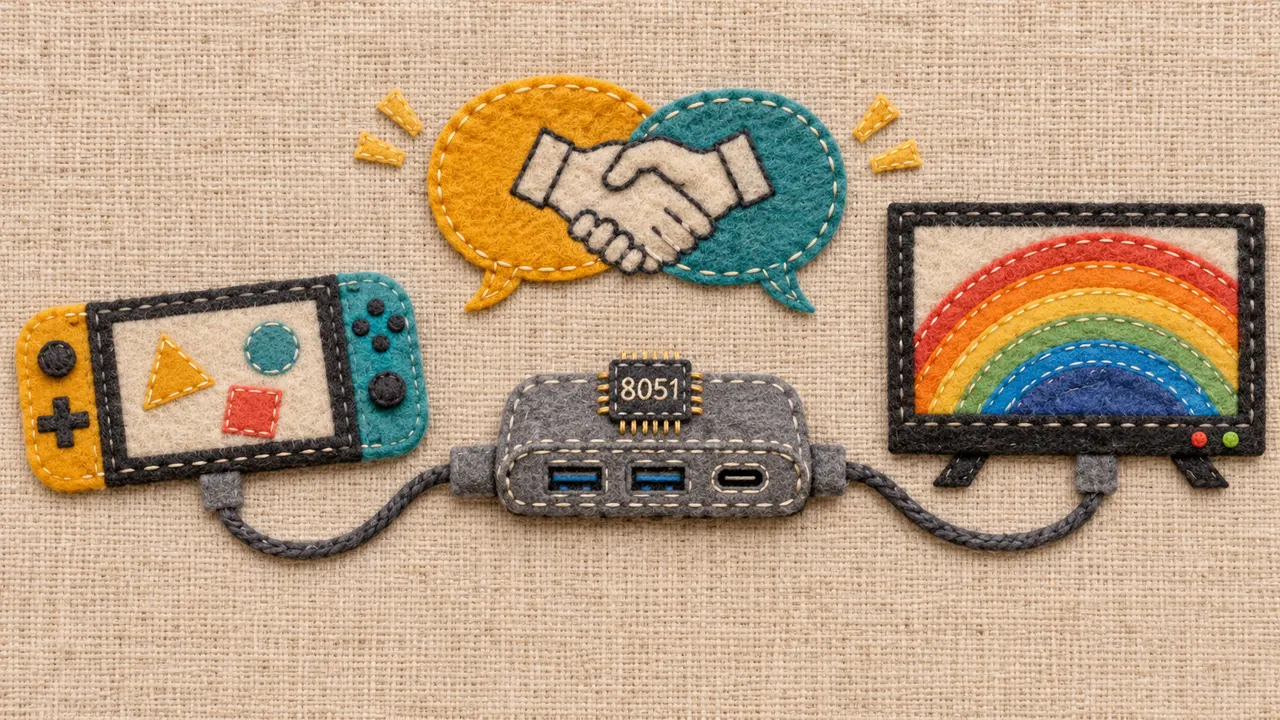
A €40 USB-C hub won't show Switch 2 video on a TV. After about 540 bytes of added firmware code, it behaved like Nintendo's official dock.
 SUMO· the number puzzle
 Dialo· learn languages by speaking
 ediviewer· read EDI files like documents
 giftdetect· the right gift in minutes
The Switch 2 charges from an ordinary USB-C hub and even starts DisplayPort Alt Mode with it. Then nothing: no TV mode, no picture. One tinkerer who was tired of carrying Nintendo's bulky dock on trips decided to find out why, and ended up turning a hub into a Switch 2 dock.
Why a USB-C hub doesn't work as a Switch 2 dock
The hub was a Cable Matters 7-in-1 with DisplayPort, HDMI and VGA outputs and up to 60 W of power. With its stock firmware, the Switch 2 negotiated power, entered DisplayPort Alt Mode and even set pin assignment D. Then it stopped. Something else had to happen first.
To see what, the author put a USB-PD sniffer (a WITRN K2, which sits in the middle of the cable) on the official dock. The dock introduces itself as a Nintendo device (vendor ID 057E, product 2062). It also announces a Nintendo-specific SVID, 057E, next to DisplayPort, and the console enters Nintendo's mode before DisplayPort's. After DP setup comes a series of vendor messages. Each request starts with 057E0001 plus a command number, and the dock replies with 057E0041, the same command and some data.
The author doesn't know what most of it means. Some replies look like firmware version records.
How the hub was patched
The hub's power controller, a VL103, runs an 8051 microcontroller with 32 KiB of firmware. The author added a handler of about 540 bytes in erased space, plugged into the stock PD stack. It answers Nintendo's messages, and anything it doesn't recognize still gets the stock "Not supported" reply. The version replies are copied from the official dock and don't describe anything real in the hub.
The vendor ID alone wasn't enough: the Switch checks the full identity. One revision also removed a pause of roughly 3 seconds, which came from the console asking for command 02 and waiting after "Not supported". The patch also offers 15 V at 2.8 A, like the dock.
TV mode then worked, but HDR looked pale. The display, RGB range, the hub in general and the PD traffic were ruled out. The likely cause was color space: the DP-to-HDMI converter, an RTD2142, was labeling the picture BT.709 in the HDMI AVI InfoFrame, while the console sends BT.2020. The author dumped that chip's unsigned 2 MiB firmware over DP AUX with flashrom to dig further.
The author says Claude and GPT helped heavily with disassembly and patching, though a safety classifier stopped Claude when it tried to launch Ghidra, so GPT handled the decompiling.
Apps worth a look
SUMO: the number puzzleTap the right tiles, add them up, hit the target. Easy to learn, hard to master. Free, for all ages.
Dialo: learn languages by speakingTalk to an AI conversation partner; every sentence comes back corrected and explained in your language. 9 languages, A1 to C2.
ediviewer: read EDI files like documentsOpen EDIFACT and X12 messages, see every segment explained, convert to JSON/XML, export PDF and Excel. Runs locally, no upload.
giftdetect: the right gift in minutesPick who it is for, the occasion and their personality. The search engine reads product descriptions from local shops and ranks what fits. Free, no sign-up.
More from this day
See all →
More in: Hardware
See all →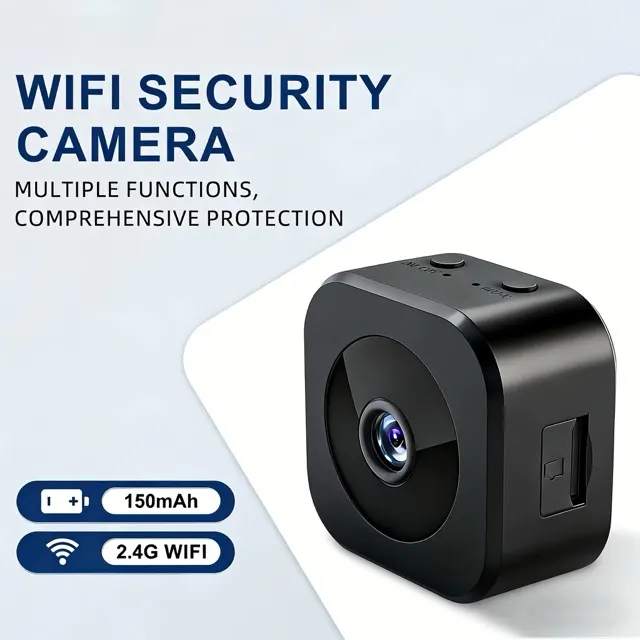
Claude hacked a $10 Wi-Fi camera to run without the cloud
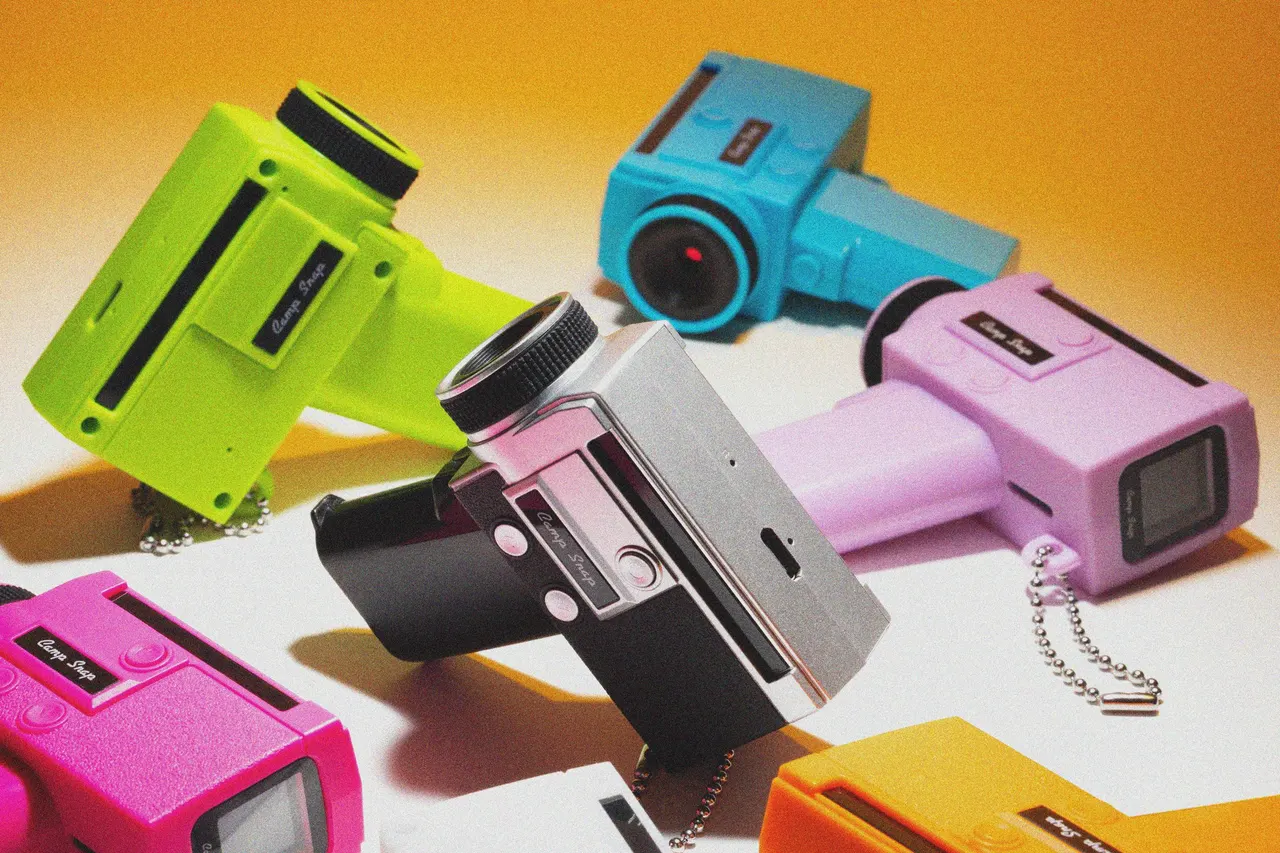
Camp Snap CS-8 Micro camcorder is 3 inches long and clips to keys
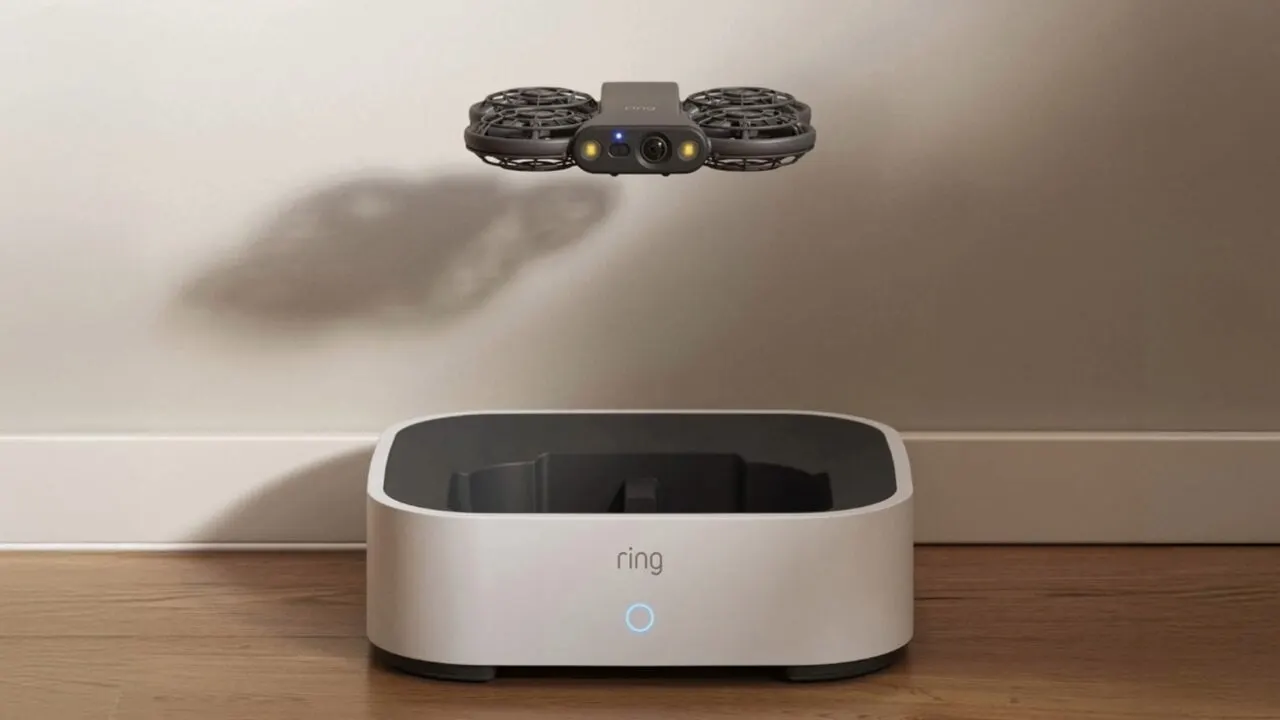
Ring Drone Cam: Amazon's $250 Indoor Flying Camera Is Loud