Sonic Fire Tech puts out fires with sound, no water needed
Former NASA engineers built a system that snuffs out kitchen fires with infrasound instead of water. It has raised $15 million, but experts have doubts.
 SUMO· the number puzzle
 Dialo· learn languages by speaking
 ediviewer· read EDI files like documents
 giftdetect· the right gift in minutes
Imagine a fire alarm that goes off, and instead of soaking your flat, a sound you can't even hear quietly kills the flame. That is the pitch from Sonic Fire Tech, an Ohio company that is testing a way to put out fires with sound waves. No water, no chemicals.
The team includes former NASA engineers, and CEO Geoff Bruder once worked there on acoustic systems for craft meant to land on Venus. The company has raised $15 million this year, according to CNN. It says the system also works on grease fires, such as burning oil in a pan.
How does sound put out a fire?
The system generates infrasound under high pressure. These are very low-frequency waves that human ears can't pick up. They travel through pipes, much like a sprinkler installation, and hit the source of the fire. The waves make oxygen molecules in the air vibrate and push them away faster than the flame can reach them. Without oxygen, the fire goes out.
In the company's demo, a building has a central sound generator connected by pipes to each apartment. Emitters hang above the stoves. When sensors detect heat, the system switches on the sound and cuts the fuel supply to the cooker. Effectiveness has been confirmed at distances up to 7.6 metres. Certification tests start before the end of the year, including the UL 300A standard for stovetop fire suppression.
Will it replace sprinklers?
Not yet. Fires in the US are less frequent than 40 years ago but deadlier, and cooking fires are rising. The company argues sprinklers can do as much damage as the fire, ruining furniture, electronics and family keepsakes. A false alarm with sound breaks nothing.
Experts are cautious. Fire protection engineer Nate Wittasek told Ars Technica that sound can kill a small flame but won't cool hot surfaces or wet burning material, so the fire could flare up again. Smouldering fires and those hidden behind objects are also a problem. Michael Gollner, an associate professor of mechanical engineering at UC Berkeley, told CNN that water sprinklers are incredibly efficient and the new tech has to prove it is better.
For now, it is a promising idea rather than a finished product. A backpack version for firefighters is also in the works.
Apps worth a look
SUMO: the number puzzleTap the right tiles, add them up, hit the target. Easy to learn, hard to master. Free, for all ages.
Dialo: learn languages by speakingTalk to an AI conversation partner; every sentence comes back corrected and explained in your language. 9 languages, A1 to C2.
ediviewer: read EDI files like documentsOpen EDIFACT and X12 messages, see every segment explained, convert to JSON/XML, export PDF and Excel. Runs locally, no upload.
giftdetect: the right gift in minutesPick who it is for, the occasion and their personality. The search engine reads product descriptions from local shops and ranks what fits. Free, no sign-up.
More from this day
See all →
Comet 220P/McNaught suddenly got 1,000 times brighter. Here's why

Coral Hart used AI to write 370 books in 20 months

WhatsApp Zaps: self-deleting photos and videos for any chat

Green SM taxis: Karnataka halts new registrations, eyes mandatory meters
More in: Science
See all →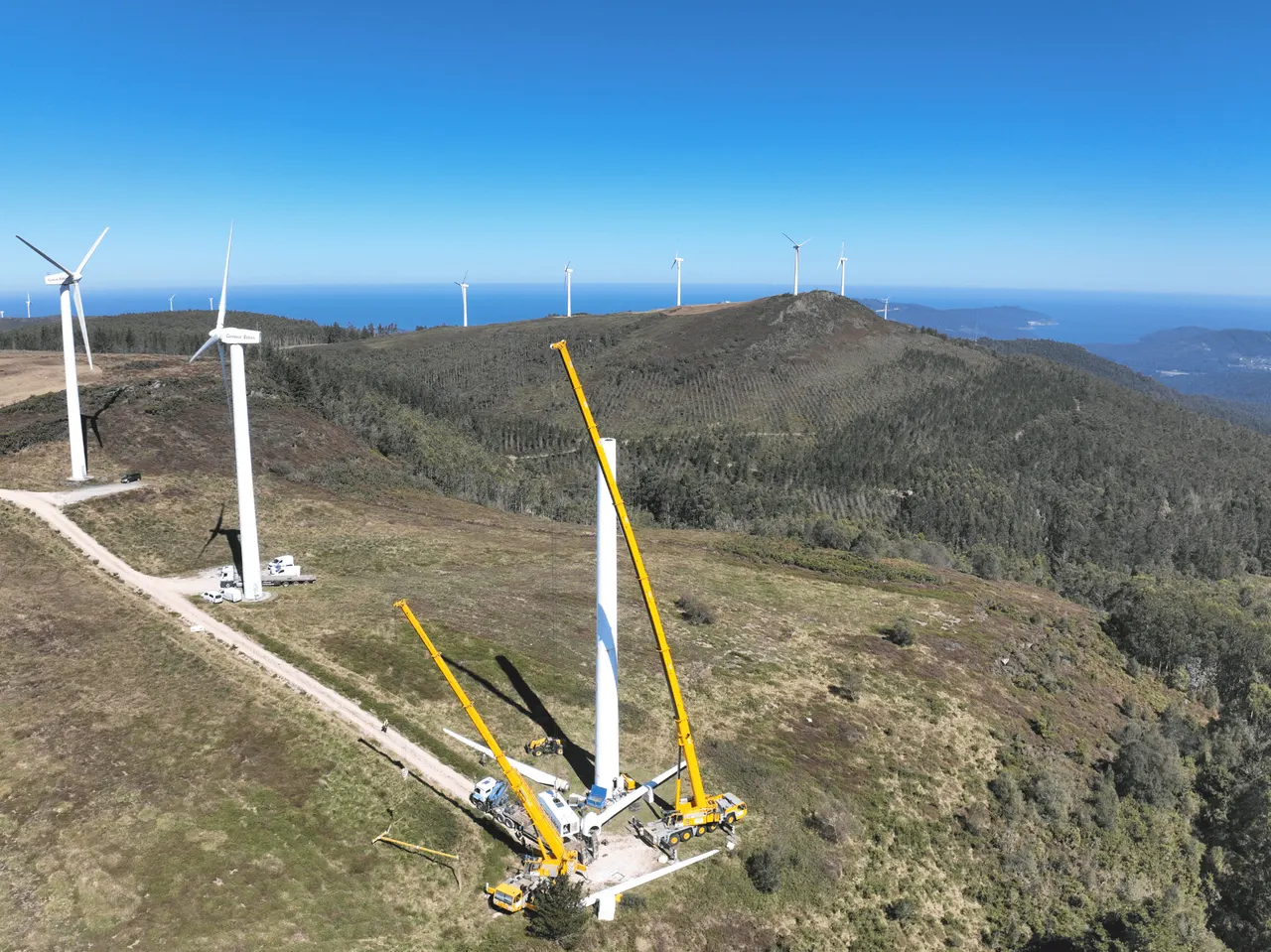
Coriscada wind farm: 4 turbines replace 40 and make 78% more power

Wind turbine blade recycling: a French startup makes ping-pong tables
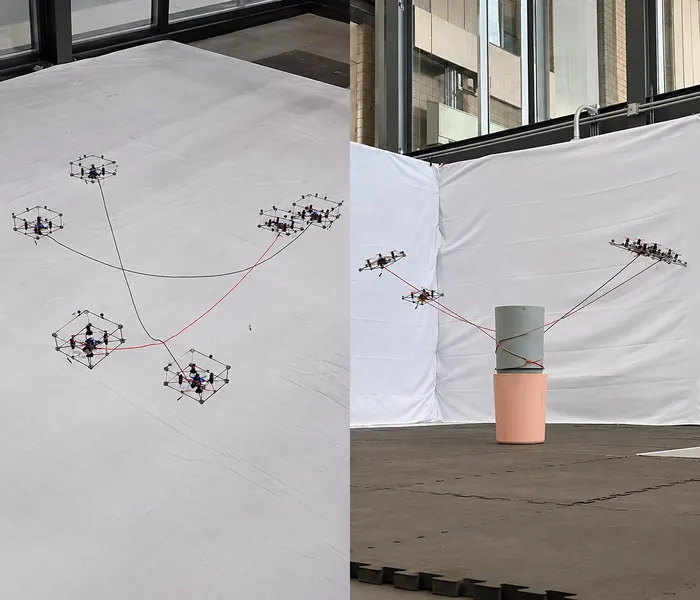
Drones that carry objects by weaving rope around them midair