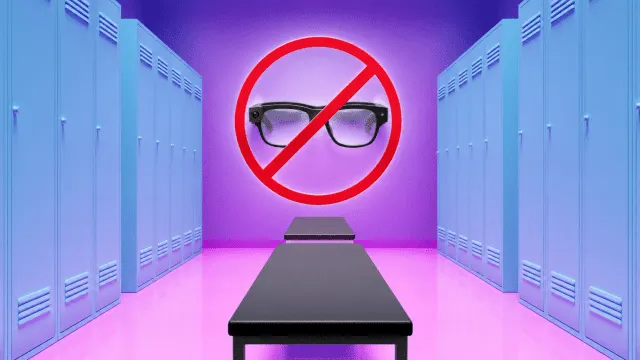
Smart glasses privacy: Korea warns on hidden cameras in changing rooms
After a tax exam cheating case involving a tiny camera, South Korea's privacy watchdog says smart glasses should stay off in changing rooms and toilets.
 SUMO· the number puzzle
 Dialo· learn languages by speaking
 ediviewer· read EDI files like documents
 giftdetect· the right gift in minutes
A tiny camera helped the top scorer on this year's tax accountant exam cheat. Now South Korea is asking what else such devices are being used for, and smart glasses are at the centre of the worry.
The man who ranked first on the 63rd tax accountant exam, surnamed Han, has admitted using a micro camera, a smartphone and generative AI to cheat. He appeared for police questioning on 17 November and handed over the camera and other electronics he used.
The case is a reminder that cameras no longer look like cameras. Recent Korean incidents show how disguised devices are used for illegal filming. In July, a man in his 20s entered the women's changing room at Caribbean Bay in Yongin three times, on 17, 24 and 30 July, wearing a wig-style hat as a disguise. Police say he filmed with a wristwatch-shaped device. He was detained and sent to prosecutors in August. In May, a man in his 30s working at a bathhouse in Gijang, Busan, was caught after hiding a phone behind a basket in the women's changing room to film a colleague.
Are smart glasses a privacy risk?
South Korea's Personal Information Protection Commission thinks so. Camera-equipped smart glasses look much like ordinary glasses, and people nearby can hardly tell whether they are being filmed. The commission recently issued guidance advising people to avoid wearing them, where possible, in toilets, changing rooms and other places where filming is banned, as well as in courts and exam halls.
What does the law say?
Filming someone without consent with smart glasses can, depending on the situation, violate portrait rights and be punished under Korea's sexual violence law and related rules. Secretly recording private conversations between other people, or posting footage online, can also break the law.
The commission also wants manufacturers to design products so bystanders can easily tell when recording is happening. AI service providers should explain why and how they use personal data, and get prior consent when using it for AI training. A dedicated smart glasses privacy guideline for users, makers and service providers is planned.
Commission chair Song Kyung-hee said the risk of privacy violations is becoming real as smart glasses enter daily life, and that the agency will protect personal data without stifling innovation.
Apps worth a look
SUMO: the number puzzleTap the right tiles, add them up, hit the target. Easy to learn, hard to master. Free, for all ages.
Dialo: learn languages by speakingTalk to an AI conversation partner; every sentence comes back corrected and explained in your language. 9 languages, A1 to C2.
ediviewer: read EDI files like documentsOpen EDIFACT and X12 messages, see every segment explained, convert to JSON/XML, export PDF and Excel. Runs locally, no upload.
giftdetect: the right gift in minutesPick who it is for, the occasion and their personality. The search engine reads product descriptions from local shops and ranks what fits. Free, no sign-up.
More from this day
See all →
South Korea's CSAT cheating crackdown: phone logs and AI records

Curiosity rover finds hints of liquid water films on Mars

NUREMBERG AI trailer hits 130,000 likes on X: what is it?