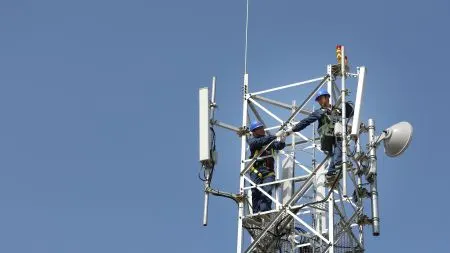
SK Telecom, Nvidia and Rebellions to Build GPU-NPU AI Systems
SK Telecom, Nvidia and Rebellions signed an agreement to develop rack-scale systems pairing GPUs with NPUs, aiming to make Korea the cheapest place to produce AI tokens.
 SUMO· the number puzzle
 Dialo· learn languages by speaking
 ediviewer· read EDI files like documents
 giftdetect· the right gift in minutes
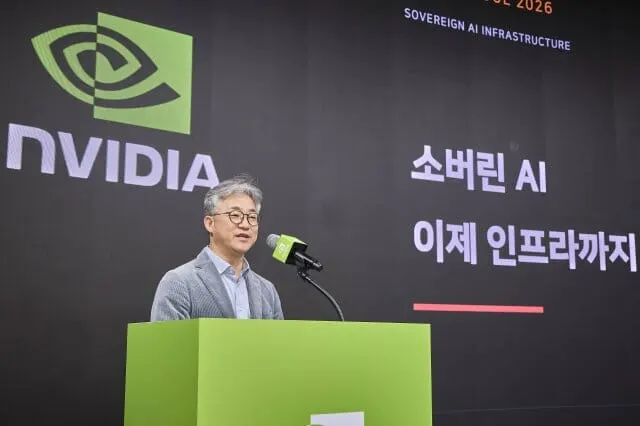
SK Telecom has signed a memorandum of understanding with Nvidia and Korean chip designer Rebellions to develop an integrated GPU-NPU system for sovereign AI infrastructure in Korea. The deal was announced on 9 November at Nvidia AI Day in Seoul's COEX.
The three companies will use Nvidia's NVLink Fusion to connect Rebellions' upcoming NPU, the Rebel R200, to Nvidia's platform. NVLink Fusion extends NVLink, the high-speed interconnect between Nvidia GPUs, to other companies' AI chips. They will also apply MGX, Nvidia's standard server-rack design, to build rack-level systems.
Splitting inference between chips
The system relies on disaggregated inference. Nvidia GPUs handle the prefill stage, which analyzes the user's question and is compute-heavy. Rebellions NPUs handle the decode stage, which generates the answer step by step and depends more on how quickly data can be fetched from memory. Matching each stage to suitable silicon is meant to raise throughput and power efficiency as agentic AI drives up inference demand.
SK Telecom CTO Jung Seok-geun said the goal is for Korea to produce tokens more cheaply than anywhere else, so that AI is used widely in the country. He described the business as "sovereign tokens": SK Telecom would operate GPU-NPU data centers as a specialist provider, so that government bodies, enterprises and consumer service operators can use tokens through an API without managing hardware. He argued that asking customers to buy Korean NPUs and build their own data centers would be a barrier to entry.
Next steps
SK Telecom plans to deploy the system in its data centers to verify performance and stability, and to study real-world use and commercialization. It intends to connect its A.X K2 model and public-facing services such as "Everyone's AI" to the infrastructure, offering a full-stack sovereign AI package. The three firms say the work fits the science ministry's sovereign AI and domestic AI chip policies.
Jung said domestic chipmakers like Rebellions have secured funding and talent, but selling chips to general companies or exporting them remains difficult. Meaningful local reference deployments and customer support, he argued, are needed. Ashish Karandikar, Nvidia's vice president for NVLink Fusion, said the technology lets Korean ASICs combine with Nvidia's AI factory platform.
Apps worth a look
SUMO: the number puzzleTap the right tiles, add them up, hit the target. Easy to learn, hard to master. Free, for all ages.
Dialo: learn languages by speakingTalk to an AI conversation partner; every sentence comes back corrected and explained in your language. 9 languages, A1 to C2.
ediviewer: read EDI files like documentsOpen EDIFACT and X12 messages, see every segment explained, convert to JSON/XML, export PDF and Excel. Runs locally, no upload.
giftdetect: the right gift in minutesPick who it is for, the occasion and their personality. The search engine reads product descriptions from local shops and ranks what fits. Free, no sign-up.
More from this day
See all →
Calogena wins €40 million EU grant for first commercial SMR
Windows 11 Registry Editor Gets a WinUI 3 Version as a Demo

JRH ASI to Finance Radar System Production for Ukrainian Partner

Budimex Tests Autonomous Rollers as Poland's Labor Shortage Bites
More in: Hardware
See all →
Bluetooth HDT Lifts Low Energy Speeds to 7.5 Mbit/s in 2027
MacBook Pro PROLED XDR Adds Touchscreen and Dynamic Island

Snap Specs hands-on: lighter and cooler, but still $2,200