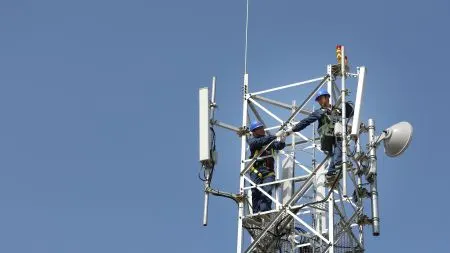
Bluetooth HDT Lifts Low Energy Speeds to 7.5 Mbit/s in 2027
The Bluetooth SIG has unveiled High Data Throughput, a Core 7.0 feature raising Bluetooth Low Energy to 7.5 Mbit/s. Phones and earbuds will both need new chips.

 SUMO· the number puzzle
 Dialo· learn languages by speaking
 ediviewer· read EDI files like documents
 giftdetect· the right gift in minutes
The Bluetooth SIG, the consortium of more than 43,000 companies that governs the standard, announced Bluetooth High Data Throughput (HDT) on 4 November. The optional feature in the new Bluetooth Core 7.0 specification raises the maximum speed of Bluetooth Low Energy to 7.5 Mbit/s. That ceiling had stood at 2 Mbit/s since Bluetooth 5, introduced in late 2016.
How HDT gets there
HDT adds a new physical layer, the part of the standard that defines how bits travel over the radio wave. Denser modulations carry more data per signal. Speed adapts packet by packet across five levels, from 2 to 7.5 Mbit/s, and a packet can exceed 8,000 bytes. Lost data is resent in blocks with error correction, and the integrity check grows from 32 to 64 or 128 bits.
The first target is premium audio, expected in 2027: lossless, high-resolution, multichannel and spatial sound. For comparison, an audio CD runs at about 1.41 Mbit/s, while SBC, which carries music over classic Bluetooth, tops out at 328 kbit/s. HDT could carry high-resolution lossless audio natively, where proprietary codecs such as LDAC or aptX are needed today. The SIG also points to watches, health and fitness devices, smart homes, extended reality and AI devices. Transferring a file of several megabytes could drop from about 16 to 4 seconds.
New hardware required
HDT changes the radio hardware itself, so no software update can add it to an existing device. Both phone and earbuds must carry a compatible chip, and because the feature is optional, manufacturers are not obliged to include it in every model. Most earbuds still stream music over classic Bluetooth, with a usable throughput of around 2.1 Mbit/s. Low-energy audio, on which HDT builds, has only been spreading since 2024.
A draft of the specification has circulated among manufacturers for a year. Realtek showed a first HDT test bench with Rohde & Schwarz in March 2026 and plans compatible components. Qualcomm says its FastConnect 8800 chip supports HDT, and Nordic Semiconductor is also positioning itself. The first chips and earbuds could appear at CES in January 2027.
With more than 5 billion Bluetooth products shipped each year by SIG members, old and new devices are likely to coexist for a long time. Current earbuds stay at 2 Mbit/s, and standardized lossless Bluetooth audio will need a new phone and new headphones together.
Apps worth a look
SUMO: the number puzzleTap the right tiles, add them up, hit the target. Easy to learn, hard to master. Free, for all ages.
Dialo: learn languages by speakingTalk to an AI conversation partner; every sentence comes back corrected and explained in your language. 9 languages, A1 to C2.
ediviewer: read EDI files like documentsOpen EDIFACT and X12 messages, see every segment explained, convert to JSON/XML, export PDF and Excel. Runs locally, no upload.
giftdetect: the right gift in minutesPick who it is for, the occasion and their personality. The search engine reads product descriptions from local shops and ranks what fits. Free, no sign-up.
More from this day
See all →
Calogena wins €40 million EU grant for first commercial SMR
Windows 11 Registry Editor Gets a WinUI 3 Version as a Demo

JRH ASI to Finance Radar System Production for Ukrainian Partner

Budimex Tests Autonomous Rollers as Poland's Labor Shortage Bites
More in: Hardware
See all →
SK Telecom, Nvidia and Rebellions to Build GPU-NPU AI Systems
MacBook Pro PROLED XDR Adds Touchscreen and Dynamic Island
Snap Specs hands-on: lighter and cooler, but still $2,200