SK Hynix Expects Memory Shortages and High Prices Through 2030
SK Hynix, a key Apple memory supplier, says RAM and flash shortages will likely last through at least 2030, keeping prices high even for priority customers.
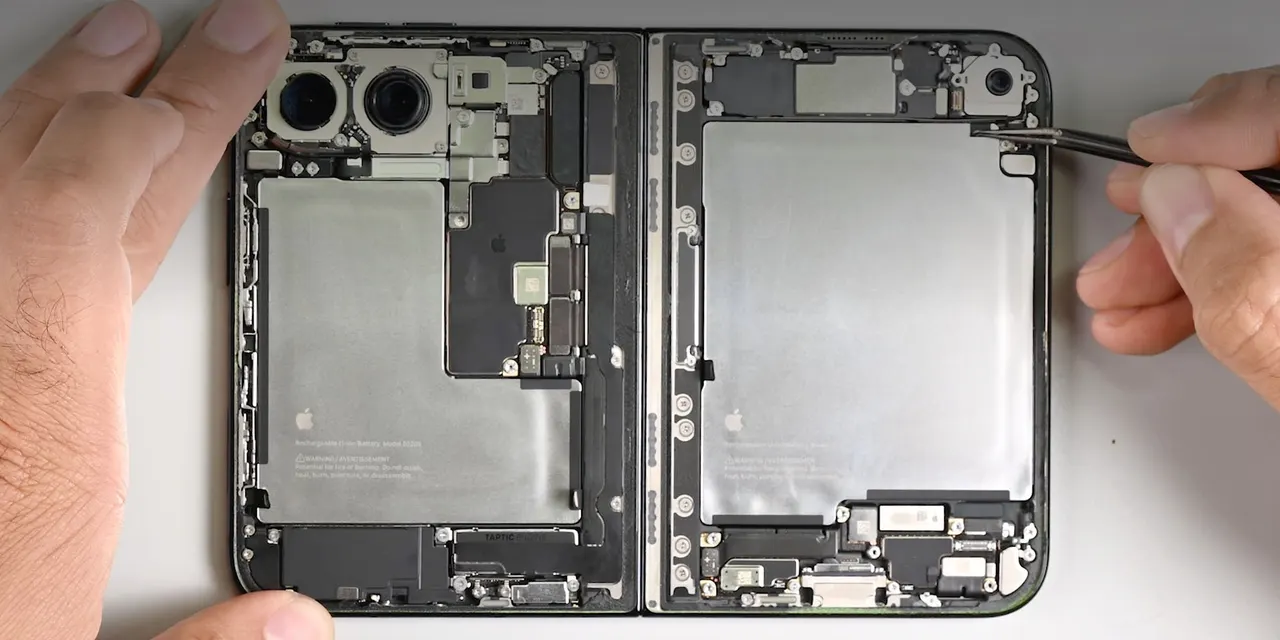
SK Hynix, one of Apple's key memory suppliers, has warned that shortages of RAM and flash memory are likely to persist through at least 2030, keeping component prices elevated.
The company says AI continues to drive demand and growth, but supply cannot keep pace. Leading-edge manufacturing processes are technically difficult, and new production facilities take a long time to build. As a result, SK Hynix expects the situation in which demand exceeds supply to last through 2030, with little that can be done in the short to medium term.
Priority deals, but no price protection
SK Hynix has long-term agreements with 14 large tech customers for priority orders, and Apple is believed to be one of them. Together, these buyers are expected to purchase more than half of the company's output in 2027 and 2028, and some want to extend their contracts.
The deals, however, do not shield buyers from rising costs. They include what the company describes as a mechanism that reflects market conditions within a price range agreed with customers. In other words, guaranteed supply comes with exposure to supply-and-demand-driven price increases.
That is an unfamiliar position for Apple, which is accustomed to holding the upper hand when negotiating with suppliers. With memory and flash storage in short supply, it has apparently had to accept contracts that allow significant price hikes in return for secured volumes.
Printed circuit boards could be next
A separate report points to printed circuit boards as the next component that may face constrained supply. Once a largely commodity item, they have become specialist technology with more layers and higher bandwidth requirements. According to the report, that complexity shrinks the supplier pool and extends lead times.
Apple said in June that it was trying to mitigate the price increases, but so far it has been unable to do so. For buyers, the outlook suggests that higher prices for iPhones, Macs and other devices that depend on memory could remain a factor for years rather than months.
More from this day
See all →
FitnessKPI raises €1.3 million to accelerate US expansion
Starlink sabotage in Lithuania: suspects arrested in Germany

Drafted Ventures: Poker Star Fedor Holz Launches VC Fund of Funds

Mein Haus Digital lands Maschmeyer and Ensthaler after DHDL pitch
More in: Mobile
See all →
Russia Weighs Paid IMEI Registration for Imported Smartphones

South Korea fines Apple and Google over app store violations
Samsung Galaxy Buds On open-ear earbuds hit the US Nov. 6