Signal encryption code verified by DeepMind AI in four weeks
Google DeepMind says its AI agents mathematically proved key parts of Signal's encryption code work as intended, a job that normally takes expert teams years.
 SUMO· the number puzzle
 Dialo· learn languages by speaking
 ediviewer· read EDI files like documents
 giftdetect· the right gift in minutes
Checking that Signal's encryption code really does what it claims is a job that has traditionally taken teams of experts years. Google DeepMind says its AI agents did it in four weeks.
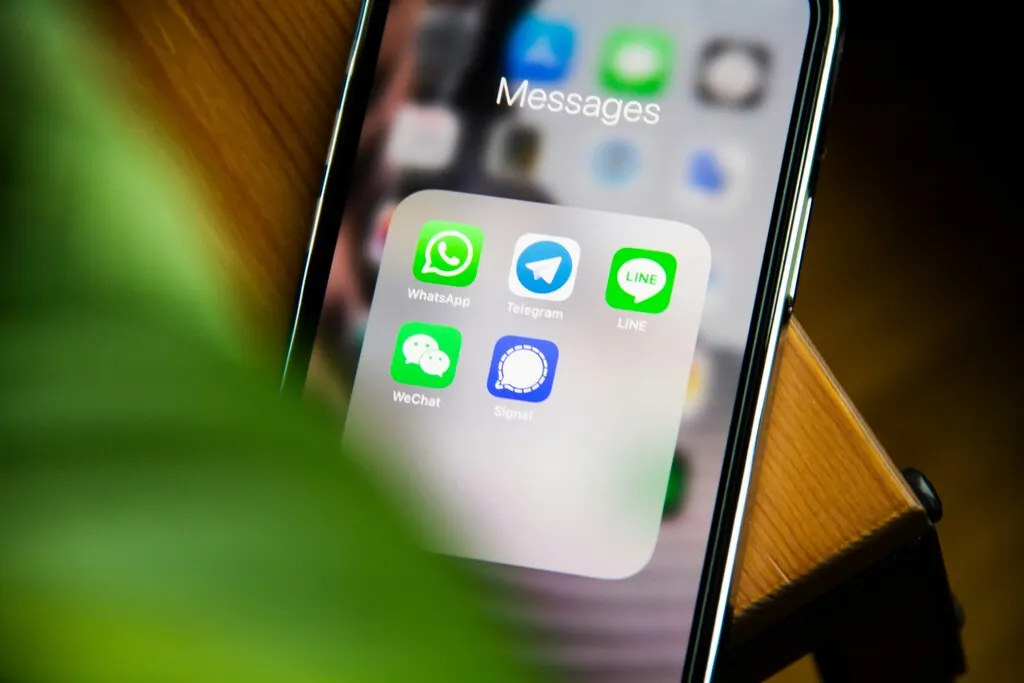
The company says its agents mathematically proved that key parts of the code behind the Signal Protocol behave as they should. That protocol protects private chats in Signal and Google Messages, and it also underpins WhatsApp's encryption. DeepMind calls it a milestone for software security, though its own researchers stress it is one step in a longer process.
What is formal verification?
It means using maths, rather than testing, to show that software does what it is meant to do. It is considered the strongest security guarantee available, but it has been slow and laborious. Most verification of cryptographic protocols stops at the design stage. DeepMind says it went further and checked the actual implementation, which is where real-world bugs often hide. It claims this is the first formal verification of a widely deployed protocol's implementation by any method, with or without AI.
How does the AlphaProof Code system work?
AlphaProof Code combines several AI models with human experts. DeepMind researchers and AI models turned Signal's security goals into formal specifications, and humans reviewed each one. Agents powered by Gemini Carbon then wrote the proofs: more than six million lines of Lean, a language that lets a computer check proofs automatically. The agents audited their own work and flagged about 1% of the code for a second human look.
The proofs cover properties such as keeping messages protected before and after a device is temporarily compromised.
Did it find any bugs?
No new vulnerabilities turned up in the parts of Signal that were analysed. To test whether the system can tell good code from bad, the team put two real, previously fixed bugs back into an isolated copy of Signal's code. In both cases, DeepMind says, the system produced a machine-checked proof that the buggy version was not secure.
There are limits. The whole Signal mobile app was not verified, and DeepMind had a head start from earlier formal verification work by the Signal Foundation. Signal CTO Ehren Kret said that earlier work covered smaller pieces of code, while DeepMind's approach allows significant expansion.
Researcher Swarat Chaudhuri said the team wants to avoid a world where AI writes both the goals and the proofs, effectively grading its own exam. That is why humans reviewed the specifications and flagged sections.
Cost and scale are unclear. DeepMind ran the Signal analysis for free as research and has not said what it cost or whether a commercial product is planned. It is open-sourcing its verification artefacts, and suggests the method could later reach medical device firmware and power grid software.
Apps worth a look
SUMO: the number puzzleTap the right tiles, add them up, hit the target. Easy to learn, hard to master. Free, for all ages.
Dialo: learn languages by speakingTalk to an AI conversation partner; every sentence comes back corrected and explained in your language. 9 languages, A1 to C2.
ediviewer: read EDI files like documentsOpen EDIFACT and X12 messages, see every segment explained, convert to JSON/XML, export PDF and Excel. Runs locally, no upload.
giftdetect: the right gift in minutesPick who it is for, the occasion and their personality. The search engine reads product descriptions from local shops and ranks what fits. Free, no sign-up.
More from this day
See all →
Sam Altman wants Samsung's help building an OpenAI phone rival

The Logos: a Finnish cathedral plays fast radio bursts every day
Calif.io Brotli exploit hits iPhone, iPad and Mac via Wi-Fi portal