ShellBench: even the best AI agents fail 40% of real tasks
OpenClaw's new ShellBench test gave AI agents everyday chores like checking email and expenses. The top model still missed at least one requirement in about 40% of tasks.
 SUMO· the number puzzle
 Dialo· learn languages by speaking
 ediviewer· read EDI files like documents
 giftdetect· the right gift in minutes
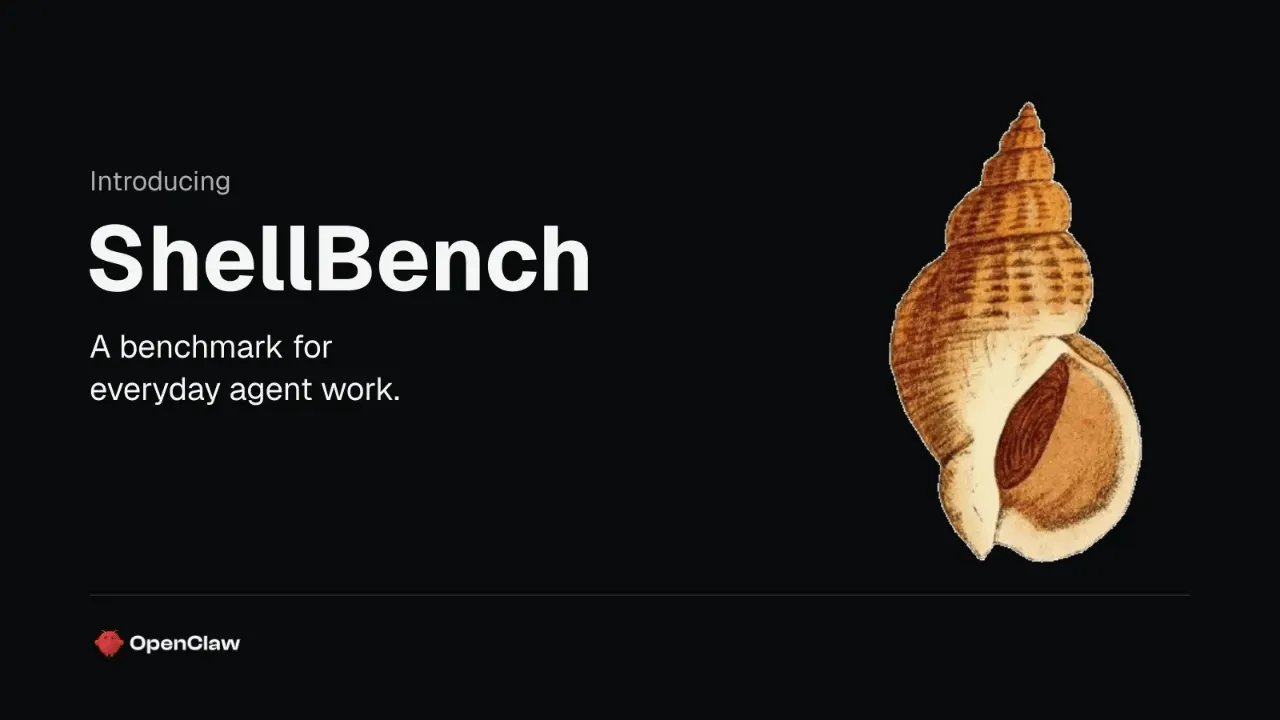
ShellBench, a new benchmark from OpenClaw, asks AI agents to do what people actually hand them: read email, compare calendars, check spending. Even the best model fell short on roughly 40% of the tasks.
The test was built with the OpenClaw Foundation, Parsewave, Hugging Face, Red Hat and researchers from UC Berkeley. It draws on more than 10 million anonymised user requests and contains 100 tasks based on real use. In total, 12 AI models ran on five agent frameworks, for 53,100 test runs.
OpenAI's GPT-6 Astra came first with a 62.5% success rate. Anthropic's Claude Fable 5.2 followed at 61.9%, then GPT-6.1 Sol at 61.4%.
Why a right answer is not enough
The agents work in simulated environments full of emails, spreadsheets, PDFs, payment documents and chat logs. They must find the right facts, spot outdated or conflicting data, and show their evidence.
That last part trips them up. In a restaurant-picking task, agents chose the correct place in 522 of 531 attempts. Only 152 runs met every criterion, mostly because the agents did not cite sources for their choice.
Consistency is another weak spot. GPT-6 Astra completed 75.1% of tasks at least once in three tries, but only 48.8% in all three.
Is it safe to let AI agents handle tasks?
ShellBench also tested phishing attempts, misleading payment instructions and sensitive data. In 15.7% of the 53,100 runs, at least one safety criterion failed. Among runs that got the task itself right, 9.9% still failed at least one safety check.
The model matters more than the framework around it. OpenClaw averaged 45.23% and Pi 45.22%, while Claude Code averaged 42.87%. Codex and Hermes were also compared.
Cost varies widely too: GPT-6 Astra costs an estimated $1.10 per run, while GPT-6.1 Sol, with a similar score, costs $0.19.
There are caveats. In 90 of the tests, another AI model grades the results, which can introduce differences. And only 20 of the 100 tasks are public. OpenClaw plans to update ShellBench with new models and results.
Apps worth a look
SUMO: the number puzzleTap the right tiles, add them up, hit the target. Easy to learn, hard to master. Free, for all ages.
Dialo: learn languages by speakingTalk to an AI conversation partner; every sentence comes back corrected and explained in your language. 9 languages, A1 to C2.
ediviewer: read EDI files like documentsOpen EDIFACT and X12 messages, see every segment explained, convert to JSON/XML, export PDF and Excel. Runs locally, no upload.
giftdetect: the right gift in minutesPick who it is for, the occasion and their personality. The search engine reads product descriptions from local shops and ranks what fits. Free, no sign-up.
More from this day
See all →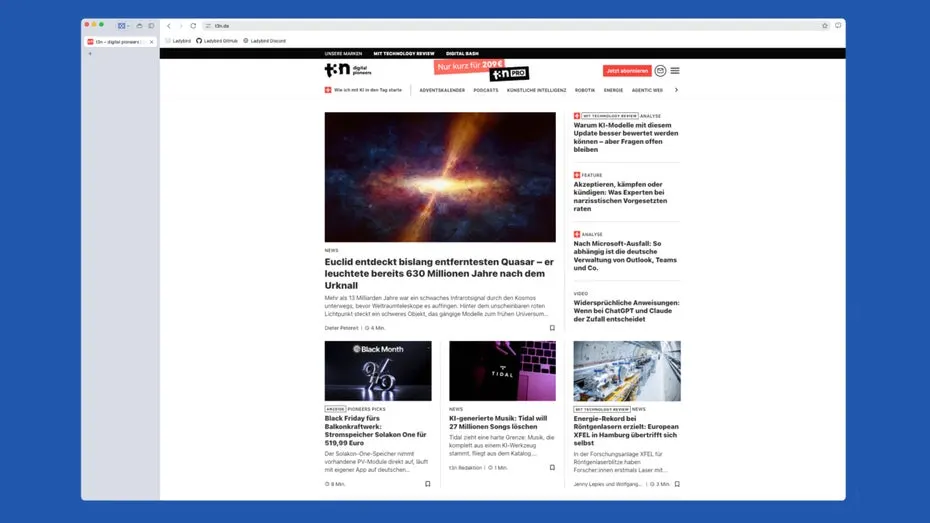
Ladybird browser tested: a new engine, but don't switch yet
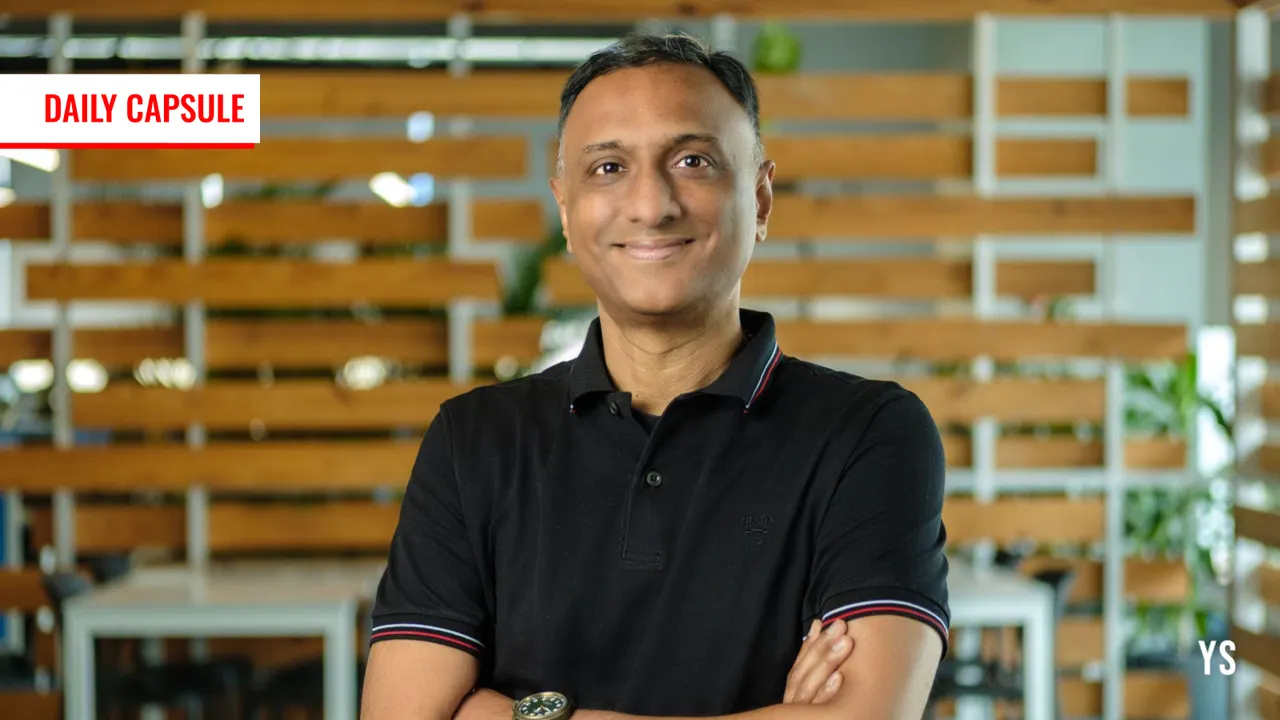
Flipkart CEO Kalyan Krishnamurthy to step down after 5x growth

Zodia Custody data breach exposes client and staff data