Saturn's rings may come from a lost moon that vanished 100M years ago
A new simulation study suggests Saturn's rings and Titan's odd orbit trace back to a moon that disappeared about 100 million years ago. Tiny Hyperion gave it away.
 SUMO· the number puzzle
 Dialo· learn languages by speaking
 ediviewer· read EDI files like documents
 giftdetect· the right gift in minutes
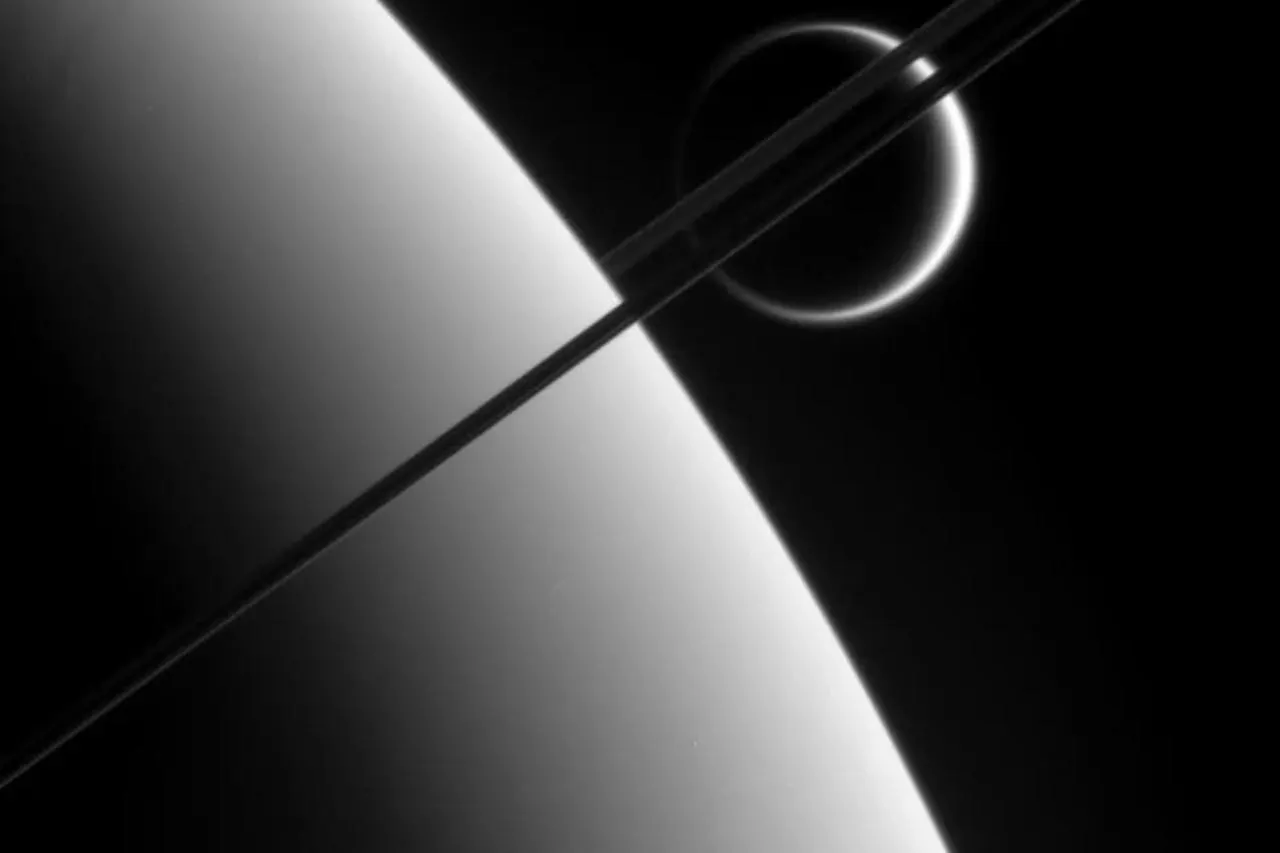
Saturn's rings may be the wreckage of a moon that no longer exists. A new study says a collision roughly 100 million years ago could explain the rings, and Titan's strange orbit too.
The paper, published in The Planetary Science Journal, starts from a puzzle. NASA's Cassini probe, launched in 1997, spent about 13 years studying Saturn from 2004 onward. Its data did not sit well with old assumptions. Some of Saturn's moons have odd, lopsided orbits that the equations do not predict. The rings look far younger than expected. Saturn's mass is also more concentrated toward its centre than astronomers thought.
In 2022, a team of astronomers proposed an idea: what if Saturn lost a moon about 100 million years ago? That is around the time the rings are thought to have started forming. The new work tests that with computer simulations.
What does Hyperion have to do with Saturn's rings?
Hyperion, the smallest of Saturn's major moons, turned out to be the key. According to lead author Matija Cuk, a researcher at the SETI Institute, whenever the team added an extra moon on an unstable orbit, Hyperion kept disappearing from the simulation. That pointed to a different story.
The team suggests that a moon which existed before Titan merged with a smaller one, and that merger produced Titan. It would also explain why Titan has almost no craters. And if a smaller body had been tugging on Titan before the merger, Cuk says, Titan's elliptical orbit makes sense.
That orbit matters for the rings. The researchers found it destabilises Saturn's inner moons. Small moons pushed onto extreme paths could have smashed into each other, and the debris would have become the rings.
Can the idea be tested?
The team thinks so. NASA's Dragonfly mission is due to reach Titan in 2034, and they expect its data to help check the hypothesis. Saturn has 274 known moons, so there is plenty left to explain.
Apps worth a look
SUMO: the number puzzleTap the right tiles, add them up, hit the target. Easy to learn, hard to master. Free, for all ages.
Dialo: learn languages by speakingTalk to an AI conversation partner; every sentence comes back corrected and explained in your language. 9 languages, A1 to C2.
ediviewer: read EDI files like documentsOpen EDIFACT and X12 messages, see every segment explained, convert to JSON/XML, export PDF and Excel. Runs locally, no upload.
giftdetect: the right gift in minutesPick who it is for, the occasion and their personality. The search engine reads product descriptions from local shops and ranks what fits. Free, no sign-up.
More from this day
See all →
Comet 220P/McNaught suddenly got 1,000 times brighter. Here's why

Coral Hart used AI to write 370 books in 20 months

WhatsApp Zaps: self-deleting photos and videos for any chat

Green SM taxis: Karnataka halts new registrations, eyes mandatory meters
More in: Science
See all →
Coriscada wind farm: 4 turbines replace 40 and make 78% more power
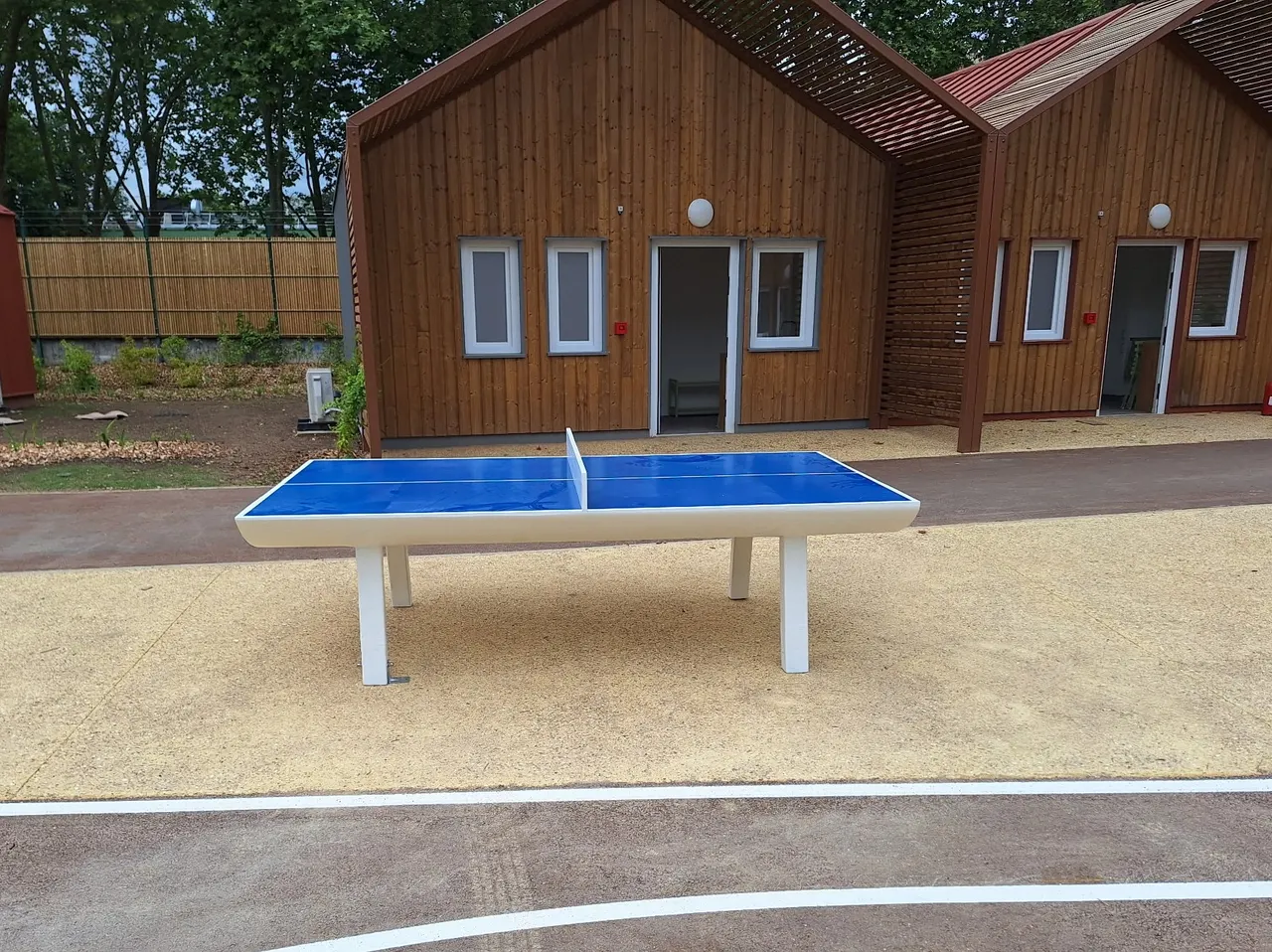
Wind turbine blade recycling: a French startup makes ping-pong tables

Drones that carry objects by weaving rope around them midair