Sam Altman Calls Local AI a Waste of Scarce DRAM Memory
OpenAI's CEO says it is "pretty terrible" that PC memory sits idle 95% of the time, arguing scarce DRAM would be better used in data centers.

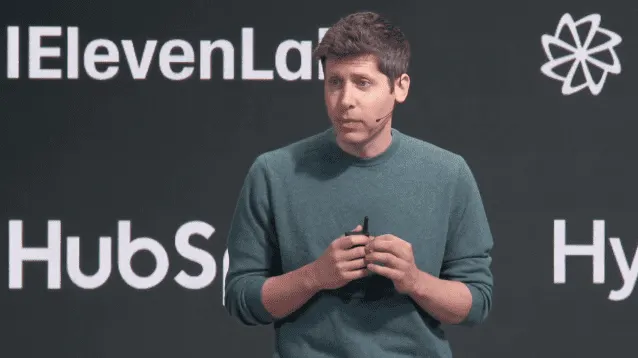
OpenAI CEO Sam Altman has criticized running AI models locally, arguing that it wastes DRAM at a time when the memory is in short supply. Speaking on Cheeky Pint, the podcast hosted by Stripe co-founder John Collison, he said it is "pretty terrible" that people have RAM in their PCs that is used only about 5% of the time.
The 5% figure is Altman's own. His reasoning is that when supply is tight, memory should go where utilization is highest, and that means data centers rather than home computers. The remark came during a discussion of compute scarcity, in which Altman argued the market is not responding as it should.
A scarce and expensive resource
According to TrendForce, DRAM prices rose between 90% and 95% in the first quarter of 2026, and nothing points to a near-term drop. Micron, Samsung and SK Hynix control global production and cannot expand output as fast as hyperscalers need. Altman says that despite record profits over the past twelve months, the big manufacturers are investing conservatively.
All three have started to open new capacity, and some have even limited consumer chip output to prioritize the HBM memory that data centers require. But building plants for high-performance memory cannot be done overnight. China has positioned itself as an alternative in DRAM, though for now mainly in consumer memory rather than HBM.
Custom chips as a remedy
Beyond asking consumers not to buy components OpenAI could use, Altman wants new players in the supply chain. OpenAI is developing its own chips with Broadcom, under the name Jalapeño. They would still need DRAM, but a custom design allows tighter optimization. SpaceX, Amazon, Meta, Microsoft and Google, with its TPUs, are pursuing similar paths.
The stance sits awkwardly with OpenAI's own record. In August 2025 it released gpt-oss, its first open weights since GPT-2, designed to run locally, and in January of that year Altman said the company had been wrong about open source. That was before the current memory crunch.
For users who run open models, the reasons are concrete: specific needs, offline use, or distrust of a cloud provider's privacy. Whether this group is large enough to strain the supply chain is the open question behind Altman's claim.
Apps worth a look
 SUMO: the number puzzle
Tap the right tiles, add them up, hit the target. Easy to learn, hard to master. Free, for all ages.
 Dialo: learn languages by speaking
Talk to an AI conversation partner; every sentence comes back corrected and explained in your language. 9 languages, A1 to C2.
 ediviewer: read EDI files like documents
Open EDIFACT and X12 messages, see every segment explained, convert to JSON/XML, export PDF and Excel. Runs locally, no upload.
More from this day
See all →
Apple Warns iPhone Users in 99 Countries of Mercenary Spyware

Fridge cyberattack hits supermarkets across Europe on 2 November
AURIGA Cyber Ventures II Hits €80M First Close for European Security
South Korea Plans First Orbital Space Data Center Test in 2028
More in: AI
See all →
Superb AI Builds Photo-Based Defect Sorting System for LH Housing
M.Video Plans Corporate AI Platform Built on Internal Chatbot

Digitalgipfel Berlin: Digital Minister Urges Openness to AI