Russia's tech fee on smartphones and laptops: how it is paid
Russia's tech fee on phones and laptops will be calculated by a state system and sent to the payer. Companies then have ten working days to pay.
 SUMO· the number puzzle
 Dialo· learn languages by speaking
 ediviewer· read EDI files like documents
 giftdetect· the right gift in minutes
Russia's new tech fee on smartphones and laptops will be calculated by a state system, not by the company that has to pay it. The government has approved the rules, and the Ministry of Industry and Trade says the amount simply arrives as a notice.
The process goes like this. A company tells the product labelling system that it is putting a device on the market. The state industry information system, GISP, then works out the fee and sends the sum to the payer. The money is due no later than the tenth working day after that notice. The rules also set out how overpayments are refunded. They take effect one month after official publication, on 27 December 2026.
How much is the Russian tech fee?
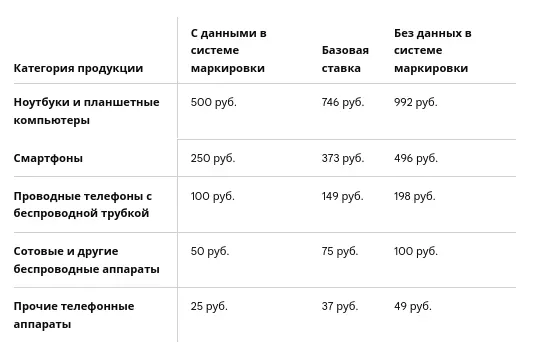
In October the ministry set rates that apply from 1 December 2026. They cover laptops and tablets with keyboards, smartphones, mobile phones, cordless landline phones and other telephones. Mandatory labelling for all of these has been in force since 1 March 2026.
The rate depends on the product type and on whether the brand and model are listed in the Chestny Znak labelling system. Per unit, telephones pay 100 rubles if listed and 198 if not. Phones for cellular networks pay 50 or 100 rubles, and other phones 25 or 49.
Where does the money go?
The revenue goes to the United Microelectronic Company, built on Sber's Integralnye Sistemy. The ministry expects about 136 billion rubles over six years and says it will go to Russian electronics and radio-electronics. It also says there are no separate fines for not paying, because companies "had time to prepare".
The industry sees it differently. The electronics association RATEK had asked to postpone the launch, arguing that the rules were not adopted, the state systems had not been tested together and businesses had no time to prepare. Its president, Alexander Onishchuk, said producers and importers could not set up their accounting, rework financial plans or adjust supply contracts in advance. The rules now exist, but they take effect only after the 1 December start date for the rates.
Apps worth a look
SUMO: the number puzzleTap the right tiles, add them up, hit the target. Easy to learn, hard to master. Free, for all ages.
Dialo: learn languages by speakingTalk to an AI conversation partner; every sentence comes back corrected and explained in your language. 9 languages, A1 to C2.
ediviewer: read EDI files like documentsOpen EDIFACT and X12 messages, see every segment explained, convert to JSON/XML, export PDF and Excel. Runs locally, no upload.
giftdetect: the right gift in minutesPick who it is for, the occasion and their personality. The search engine reads product descriptions from local shops and ranks what fits. Free, no sign-up.
More from this day
See all →
Super Mario Bros. 1985 cartridge sells at auction for $96,875
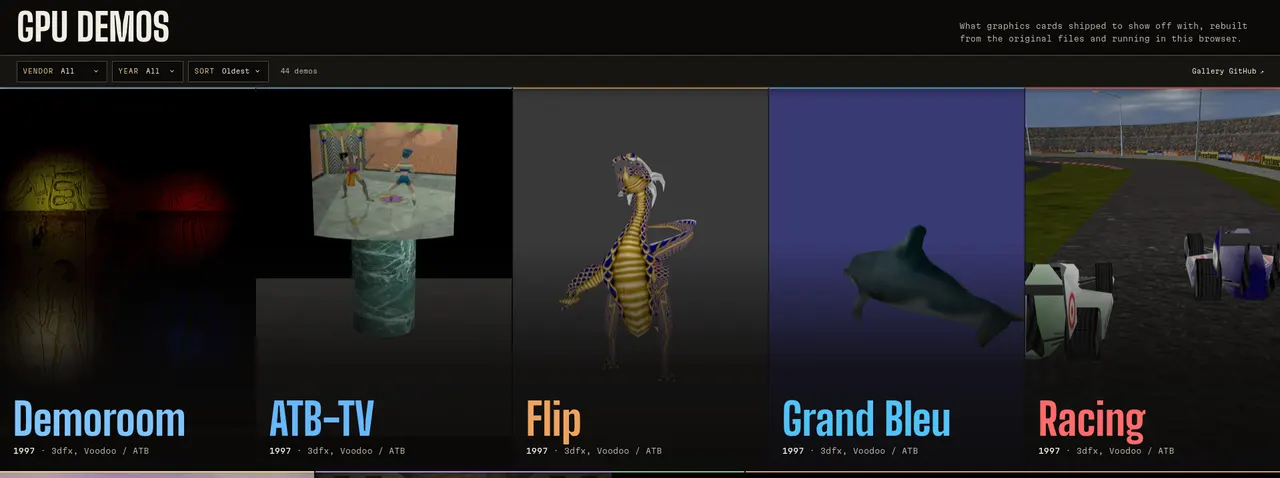
GPU demo gallery brings 44 classic 3dfx and Nvidia demos to the browser
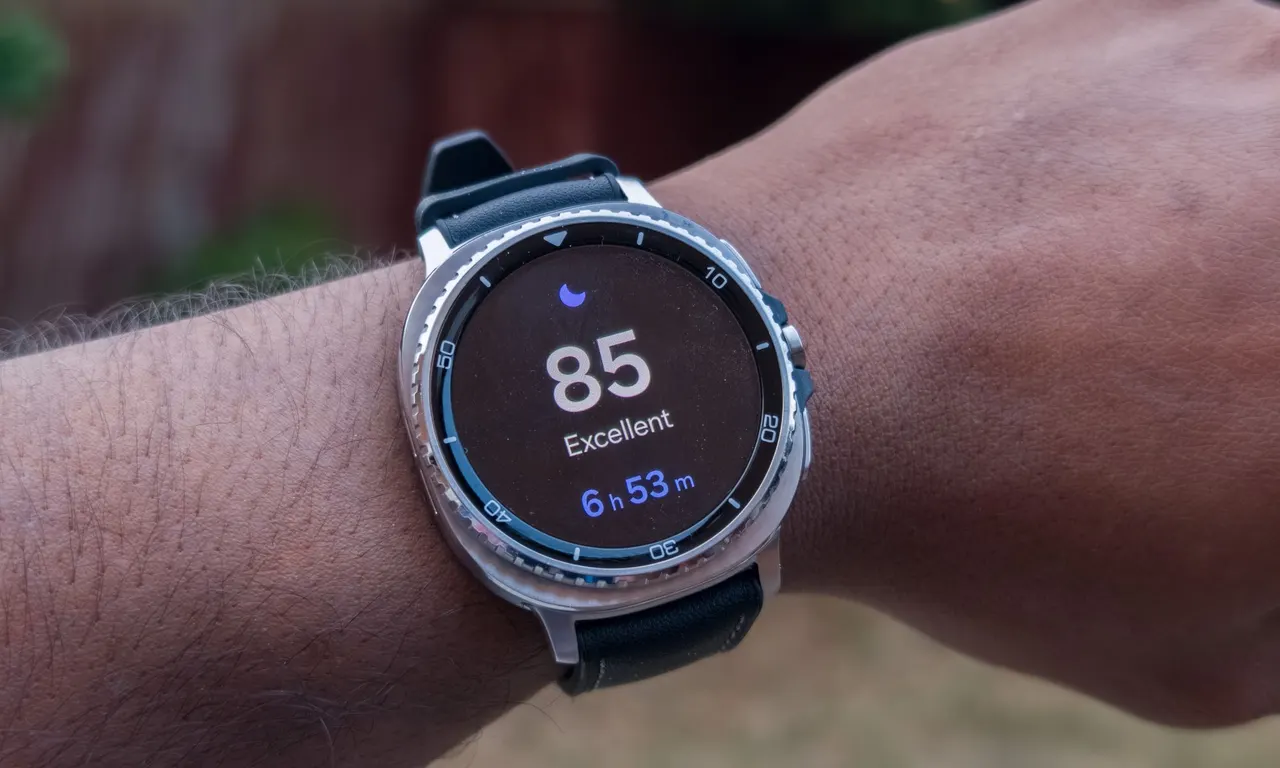
One UI 9 Watch brings Galaxy Watch 9 health tools to Watch 8
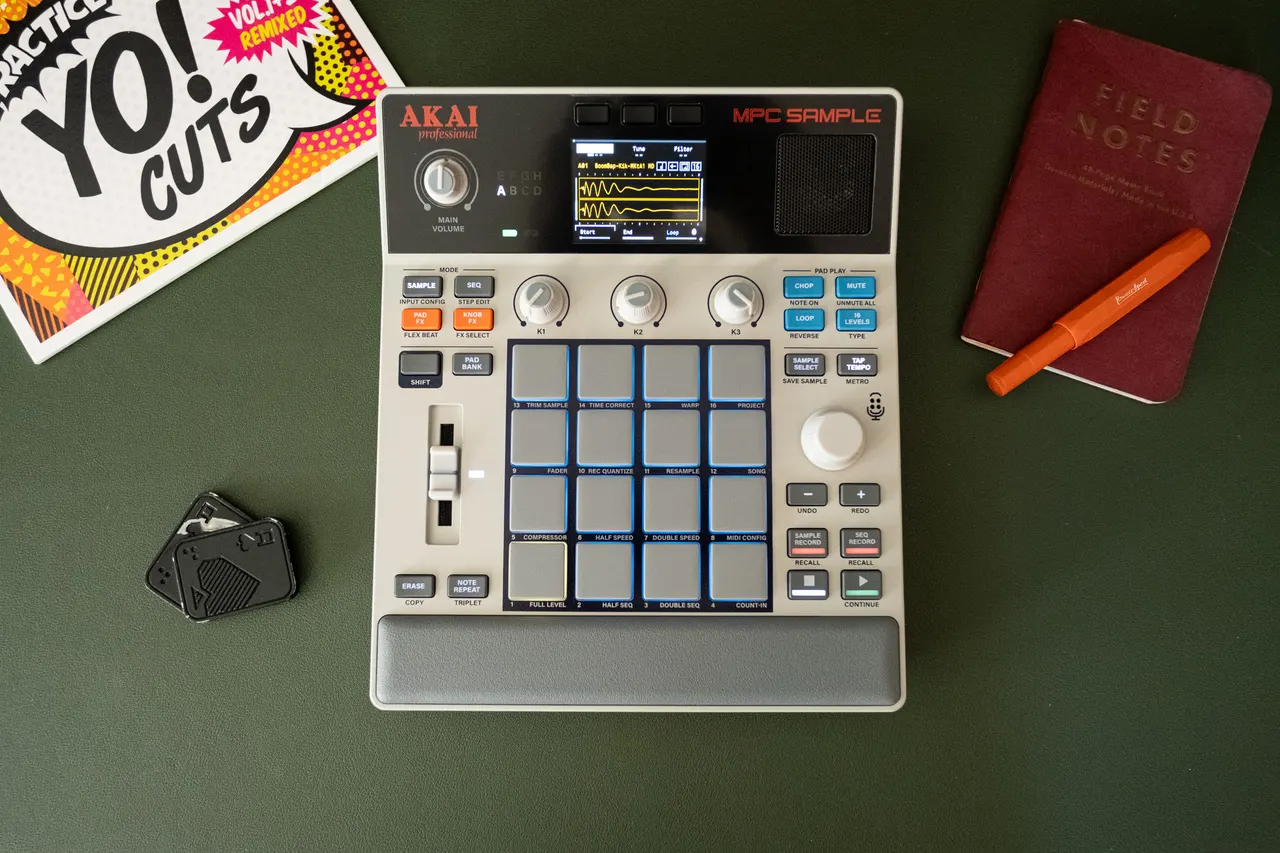
MPC Sample 1.4 firmware opens the Akai sampler to modders
More in: Business
See all →
Tidal bans fully AI-generated music and will purge 27 million tracks

Kakao founder Kim Beom-su acquitted for good in SM Entertainment case
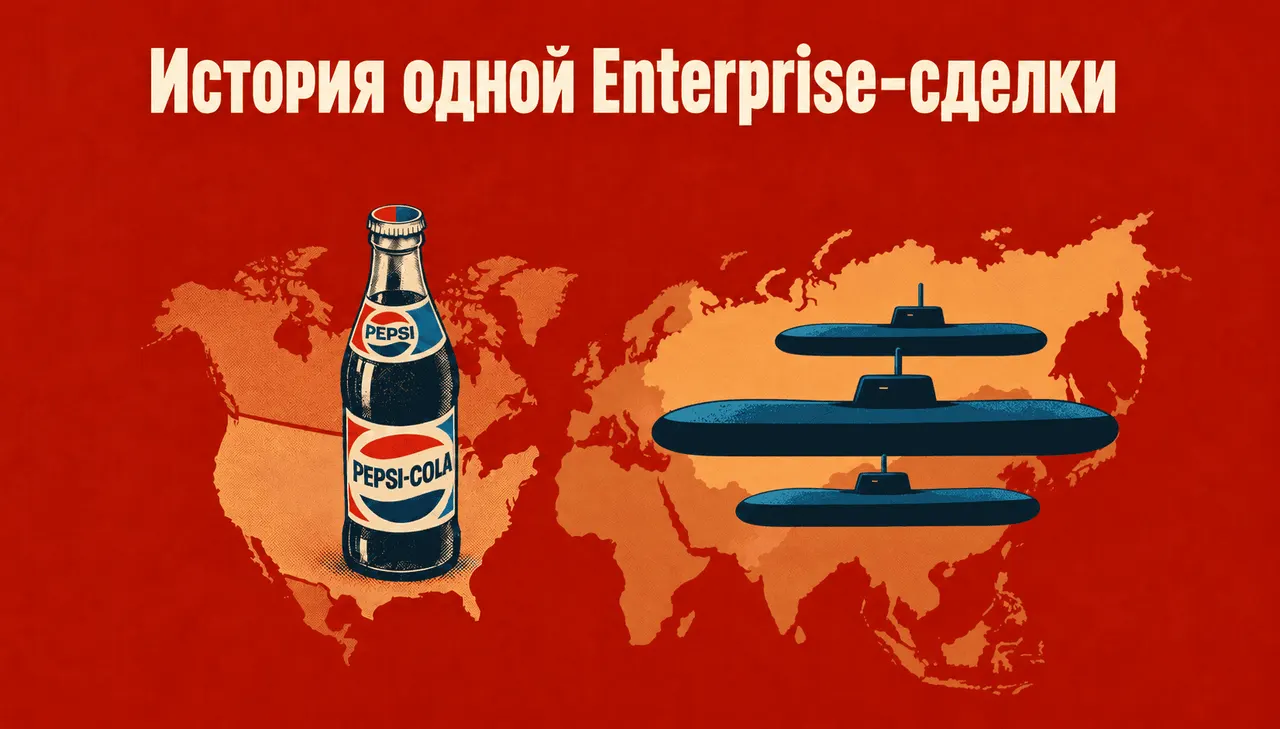
Pepsi in the Soviet Union: a free sip in 1959, submarines in 1989