KDDI bear detection with Starlink and drones cut response to 15 minutes
KDDI tested camera traps that send photos over Starlink from areas with no mobile signal. In Hokkaido, a drone reached a bear sighting about 15 minutes after the alert.
 SUMO· the number puzzle
 Dialo· learn languages by speaking
 ediviewer· read EDI files like documents
 giftdetect· the right gift in minutes
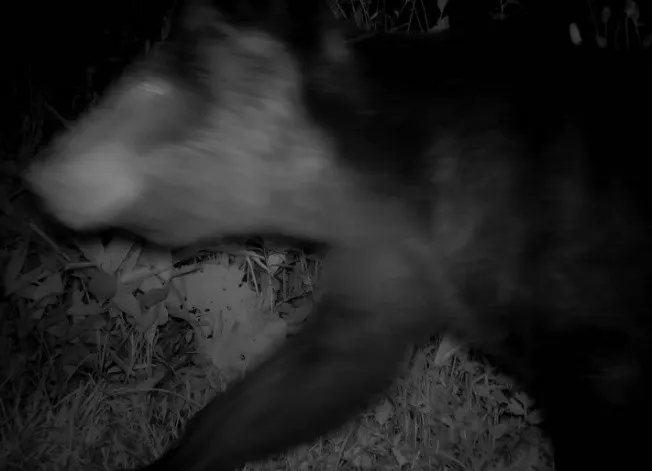
A bear shows up on a camera in a mountain valley with no phone coverage. Fifteen minutes later, a drone is hovering over the spot. That is roughly what KDDI and KDDI Smart Drone say they pulled off in a field trial in Hokkaido, and they now plan to sell it as a bear countermeasure service by fiscal 2027.
The trial ran from October 1 to November 26 in Kamisunagawa and Minamifurano. The team set up eight IoT sensor cameras from Haik, each with a motion sensor. Cameras outside mobile coverage connected through au Starlink Direct for IoT, which lets IoT devices talk directly to Starlink satellites. A drone dock, the Skydio Dock for X10, sat permanently in the area.
How does the bear detection system work?
When an animal moves, the camera takes a picture. AI then checks the images and, if it decides there is a bear, alerts the local government and KDDI. Where mobile coverage exists, images are sent automatically as they are taken. Without coverage, the satellite link sends photos once every two hours.
The AI sorted through about 11,600 real photos and picked out the bears. According to the companies, it did not mistake deer or wild boar for bears.
When a municipality requested a flight, the drone arrived about 15 minutes after the bear alert. So staff can see what is going on remotely, even in mountains without a signal.
Why it matters for local governments
Today, municipal workers and hunting club members have to walk out to check traps and confirm sightings. The companies say the system lets fewer people do that work, and gives staff a look at the situation before anyone heads out, which should make things safer for them and for residents. The participating municipalities rated remote checking as very useful for both safety and efficiency, according to KDDI.
The companies aim to launch the service by the end of fiscal 2027.
Apps worth a look
SUMO: the number puzzleTap the right tiles, add them up, hit the target. Easy to learn, hard to master. Free, for all ages.
Dialo: learn languages by speakingTalk to an AI conversation partner; every sentence comes back corrected and explained in your language. 9 languages, A1 to C2.
ediviewer: read EDI files like documentsOpen EDIFACT and X12 messages, see every segment explained, convert to JSON/XML, export PDF and Excel. Runs locally, no upload.
giftdetect: the right gift in minutesPick who it is for, the occasion and their personality. The search engine reads product descriptions from local shops and ranks what fits. Free, no sign-up.
More from this day
See all →
OpenAI countersues Apple over trade secrets and suppliers
Japan's education ministry procurement system hacked, 163,953 records at risk
Free trial auto-renewal cost a news site 23% of subscribers