Russia's Tax Service Tests Scoring Model for Self-Employed
Russia's Federal Tax Service is testing a scoring model to catch self-employed people who cancel receipts in the Moy Nalog app to avoid paying tax.
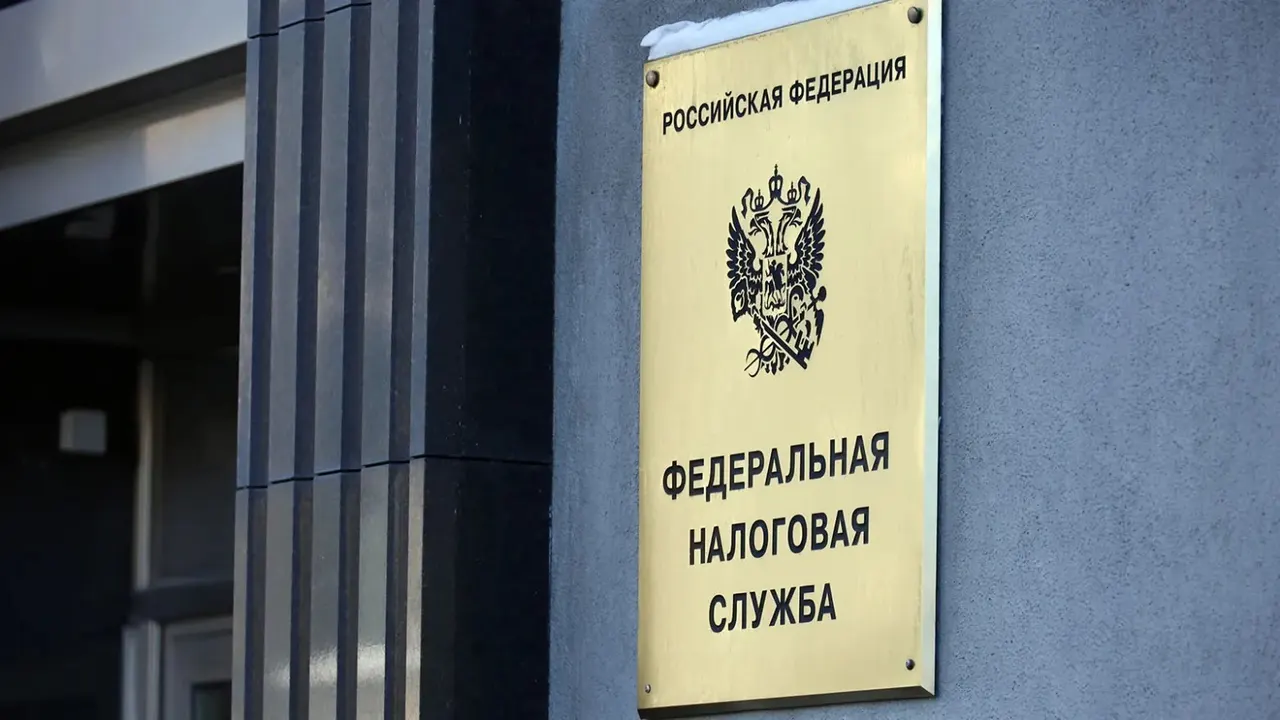
Russia's Federal Tax Service (FNS) has begun testing a scoring model designed to identify self-employed people who cancel receipts in the "Moy Nalog" app in order to hide income and avoid taxes.
According to Vladimir Maltsev, head of the operational control department, the assessment will rely on several parameters, including how systematic the cancellations are. "If I [as a self-employed person] cancel receipts en masse, that will attract our attention," he said. Another warning sign is a receipt being cancelled by a partner of the taxpayer, such as a digital platform or a bank.
Scale of the problem
In the first nine months of 2026, the FNS found about 3,000 cases of improper receipt cancellation totalling roughly 300 million rubles. Maltsev noted that under the Tax Code, hiding income carries a fine of 20% of the transaction amount for a first offence and 100% for a repeat one.
Evgenia Memruk, head of the Union of Accountants and Tax Consultants, said the true scale is hard to measure but that questions at consultations suggest the practice is widespread. Some self-employed people report only part of their revenue, especially in cash payments, which leave no bank trail. In her view, systematic control involving banks and aggregators could noticeably improve tax collection on cashless payments. She also suggested comparing a person's official income with their spending as an additional tool for catching undeclared cash income.
What comes next
The professional income tax (NPD) has operated in Russia since 2018. Self-employed people pay 4% on income from individuals and 6% from companies, with an annual income cap of 2.4 million rubles.
Maltsev said the FNS has not yet decided what happens to the regime after 2028. One option is to automatically move self-employed people whose earnings have grown to other tax systems, such as AvtoUSN, using the same software product.
The regime is growing quickly: in 2025 the self-employed earned just over 3 trillion rubles, 38.6% more than in 2024, and taxes charged to them rose to 136 billion rubles from 99.8 billion.
More from this day
See all →
Apple MacBook Pro Gets a Touchscreen, Reversing Steve Jobs' Stance
mObywatel to Allow Fully Online Car Registration From 2027

Beta Pictoris 'Cat's Tail' Traced to Pluto-Sized Collision
Leaving Proton Mail: Tuta or Infomaniak, which to choose?
More in: Business
See all →
Russia's Accredited IT Firms Earn Over 6 Trillion Rubles in H1 2026
Amazon Stockpiles Billions in Idle Nvidia GB300 AI Servers

UBTech, Agility Robotics, BluMentis Eye Farms for Humanoid Robots