Russia Plans 30-Day Seller Payout Cap for Marketplaces
Russia's Ministry of Economic Development has drafted amendments that would cap marketplace payouts to sellers at 30 days and let sellers opt out of platform-funded discounts.

 SUMO· the number puzzle
 Dialo· learn languages by speaking
 ediviewer· read EDI files like documents
 giftdetect· the right gift in minutes
Russia's Ministry of Economic Development has prepared a package of amendments to platform economy legislation. Under the proposals, marketplaces would have to pay sellers within 30 days and could no longer penalize sellers who decline platform-funded promotions. First Deputy Minister Maksim Kolesnikov presented the plan at Platform Economy Day.
What the amendments propose
On discounts, the draft would let sellers voluntarily opt out of promotions that marketplaces finance themselves, without discrimination from the platform afterwards. Existing rules covered only discounts paid for by sellers. On settlements, the ministry wants a hard limit of 30 days for transferring revenue, which Kolesnikov said should make cash flow more predictable for entrepreneurs.
The ministry also proposes equal commissions for Russian and foreign sellers. According to the draft, the goal is to end situations in which Russian partners pay platforms more than foreign ones for comparable services. Kolesnikov said businesses had raised the issue repeatedly and it had been discussed in the State Duma.
Another block covers returns of non-defective goods. The ministry argues that consumer protection law does not reflect the specifics of platform trade. Kolesnikov said many producers and sellers had begun to suffer from the platforms' customer-centric approach, citing children's party costumes and New Year trees that buyers use once and return, leaving them unsellable.
The fifth proposal concerns pricing. Kolesnikov said the ministry had agreed with the Central Bank and the platforms that, wherever a shopper starts searching, the price shown before the basket must be fair, meaning one payable without a platform's own payment tools.
Context and next steps
The ministry expects to submit the amendments to the government shortly, after which they will go to the State Duma. The first law, No. 289-FZ on certain aspects of platform economy regulation, took effect on 1 October 2026.
Kolesnikov said platforms have since begun checking product listings against state information systems and registers. More than 9 million listings were temporarily removed, and about half were later restored after sellers' documents were verified. According to the ministry, platform commerce already accounts for roughly 20% of Russian retail, and the country has about 274,000 pickup points.
Apps worth a look
SUMO: the number puzzleTap the right tiles, add them up, hit the target. Easy to learn, hard to master. Free, for all ages.
Dialo: learn languages by speakingTalk to an AI conversation partner; every sentence comes back corrected and explained in your language. 9 languages, A1 to C2.
ediviewer: read EDI files like documentsOpen EDIFACT and X12 messages, see every segment explained, convert to JSON/XML, export PDF and Excel. Runs locally, no upload.
giftdetect: the right gift in minutesPick who it is for, the occasion and their personality. The search engine reads product descriptions from local shops and ranks what fits. Free, no sign-up.
More from this day
See all →
QuantumDiamonds: Munich Start-up Uses Diamond Sensors to Find Chip Defects

Parloa Deepens OpenAI Partnership With Early Model Access
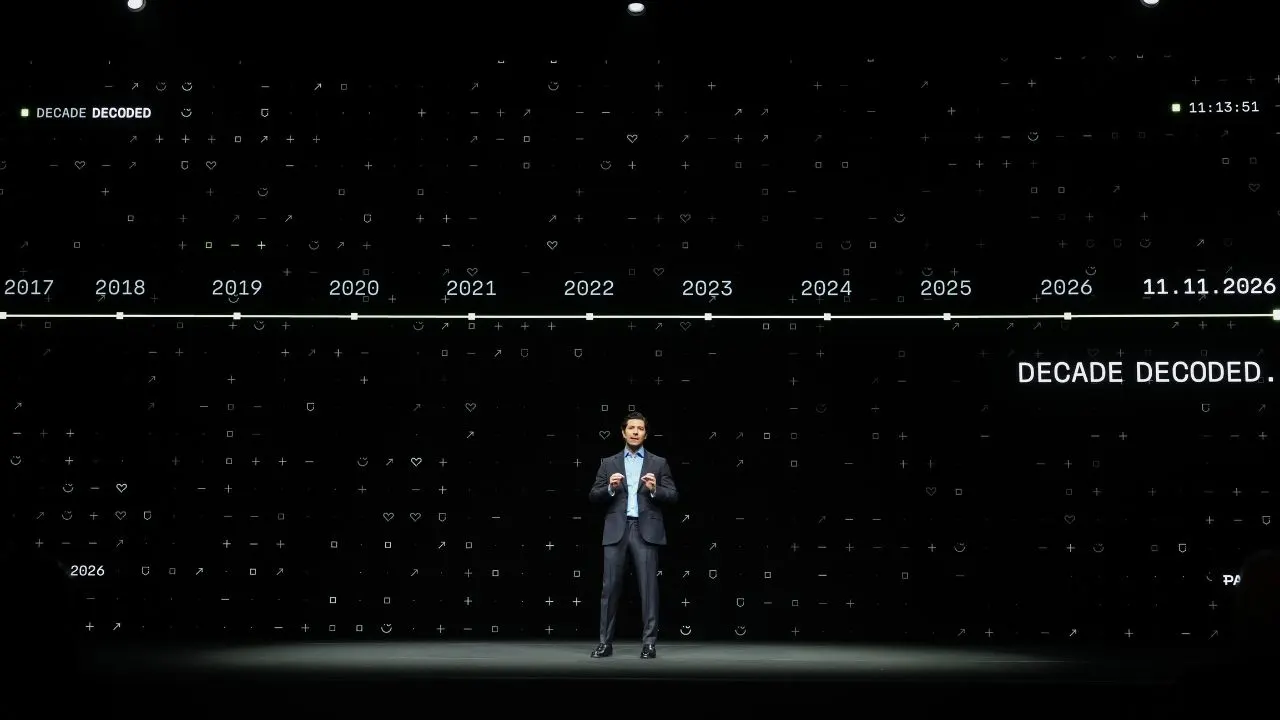
Paribu Unveils Intelligence AI and Free Terminal at 10-Year Event

Meta Launches Muse Ember, Its Smallest AI Model, for Agents
More in: Business
See all →
India Bans Export of Lithium-Ion Battery Black Mass, Effective Now

US-Blacklisted Chinese Defense School Buys Nvidia H200 Chips

Tobu Department Store Ikebukuro Adds Face Payment, a Japan First
