Russia tightens eSIM rules: only a qualified e-signature will do
Russia's digital ministry wants to end remote eSIM activation with a basic e-signature. Number hijackers used that loophole to reach people's bank accounts.
 SUMO· the number puzzle
 Dialo· learn languages by speaking
 ediviewer· read EDI files like documents
 giftdetect· the right gift in minutes
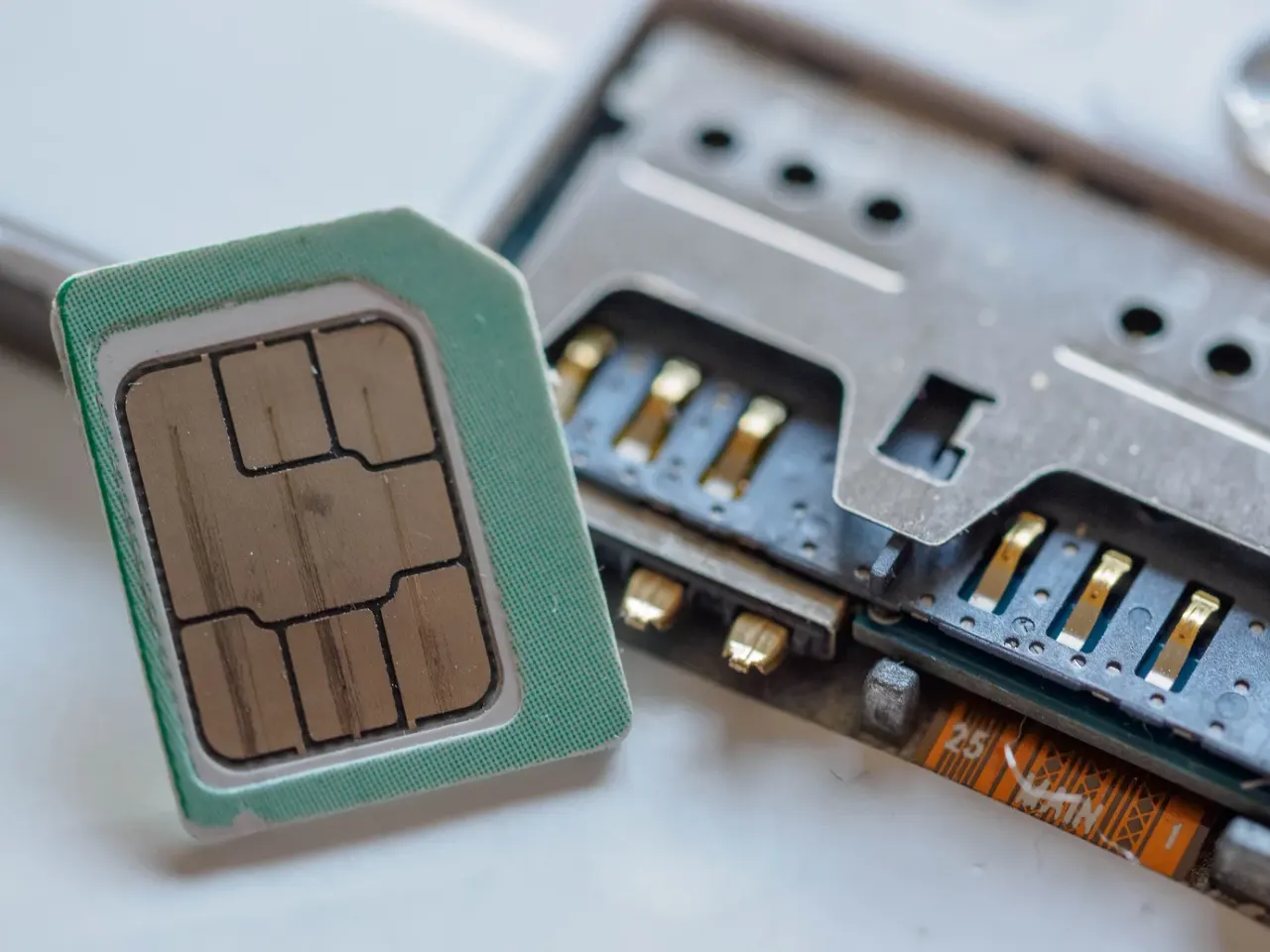
Getting an eSIM in Russia without ever visiting a shop is about to get harder. The Ministry of Digital Development plans to stop operators from issuing or re-issuing eSIM numbers remotely with a simple electronic signature. Only the stricter kind will be accepted.
The plan comes from a letter by Deputy Minister Oleg Kachanov to mobile operators. Russian law distinguishes between an "enhanced unqualified" signature (UNEP) and an "enhanced qualified" one (UKEP). The ministry says current law already allows eSIM only with UKEP, but operators still had a technical way to use UNEP through the Gosklyuch government app.
What changes for eSIM in Russia
Operators have until 1 December to re-integrate with Gosklyuch so that users can get an eSIM only with a qualified signature. Integration with state systems will run only through the interdepartmental electronic interaction system, not through an API or other routes. The ministry also asked operators to check the data of users who remotely activated and used an eSIM before 15 November.
Why the qualified signature matters
According to digital certificate expert Evgeny Lakhatkin, a confirmed ESIA account (the state services login) is enough to get an unqualified certificate. If a fraudster gets into that account, they can easily obtain a certificate in your name. A qualified certificate needs more: in-person or online identification, using an existing qualified certificate, the chip in a new-generation foreign passport, or ESIA together with biometrics.
The security firm Informzashchita describes the typical scam: the number is moved to someone else's eSIM, the attacker intercepts SMS codes and gets into banks and messengers. The ministry says the aim is to make sure only the legitimate owner connects or re-issues a number.
Nobody has a current count of eSIM users in Russia, but Anna Kashnitskaya of Unisimka says it is millions, and growing as more phones ship without physical SIM slots. T2 Mobile says the changes will not affect it much. MegaFon says it will adapt its processes. MTS did not respond and Vimpelcom declined to comment.
Apps worth a look
SUMO: the number puzzleTap the right tiles, add them up, hit the target. Easy to learn, hard to master. Free, for all ages.
Dialo: learn languages by speakingTalk to an AI conversation partner; every sentence comes back corrected and explained in your language. 9 languages, A1 to C2.
ediviewer: read EDI files like documentsOpen EDIFACT and X12 messages, see every segment explained, convert to JSON/XML, export PDF and Excel. Runs locally, no upload.
giftdetect: the right gift in minutesPick who it is for, the occasion and their personality. The search engine reads product descriptions from local shops and ranks what fits. Free, no sign-up.
More from this day
See all →
Comet 220P/McNaught suddenly got 1,000 times brighter. Here's why

Coral Hart used AI to write 370 books in 20 months
WhatsApp Zaps: self-deleting photos and videos for any chat

Green SM taxis: Karnataka halts new registrations, eyes mandatory meters
More in: Mobile
See all →
Google's Ammaar Reshi put Windows 11 on an iPhone Duo to work
Ask Maps can now call local businesses to book appointments