Quantum Systems drones fly again after QBase malware scare
Germany's military grounded its Quantum Systems drones after malware reportedly slipped into an update for the QBase control software. The fleet is now flying again.

 SUMO· the number puzzle
 Dialo· learn languages by speaking
 ediviewer· read EDI files like documents
 giftdetect· the right gift in minutes
Germany's armed forces grounded their Quantum Systems drones as a precaution after a cyberattack on the manufacturer. Now the Bundeswehr has let them fly again, the company says.
Quantum Systems says it spotted the attack at the end of October and reported it to the authorities. It has shared very little about the intrusion itself. On Thursday it said its IT and security teams contained the threat, working closely with the authorities, and that there is no risk for end users or operators of its unmanned systems.
What happened with QBase?
According to Der Spiegel, which cited unnamed sources, malware was found in an update to QBase, the company's ground-control software. QBase is what operators use to plan missions, monitor flights and process data from the ground. The malicious update reportedly reached servers belonging to the Bundeswehr and other customers, but did not directly infect the drones.
Quantum Systems told Reuters that the fleet is operating normally worldwide, including in Germany. It also said the Bundeswehr was the only customer to ground its systems as a precaution. A spokesperson for Germany's defence ministry declined to comment on the attack or the reported details.
Why a drone maker is a target
The company, founded in 2015, has supplied drones to Ukraine's war effort for years. It says other players in the European defence industry, and those backing Ukraine's military, have faced persistent cyberattacks for years.
The timing is awkward. Last month Chancellor Friedrich Merz announced funding for "several tens of thousands" of the company's interceptor drones as part of Germany's winter aid package. They are to be built in Ukraine and support interceptor systems already used on the front lines. In July, Quantum Systems announced a $1.2 billion Series D round that values it at around $8 billion.
The company has not said how the malicious update got into its software or who was behind it.
Apps worth a look
SUMO: the number puzzleTap the right tiles, add them up, hit the target. Easy to learn, hard to master. Free, for all ages.
Dialo: learn languages by speakingTalk to an AI conversation partner; every sentence comes back corrected and explained in your language. 9 languages, A1 to C2.
ediviewer: read EDI files like documentsOpen EDIFACT and X12 messages, see every segment explained, convert to JSON/XML, export PDF and Excel. Runs locally, no upload.
giftdetect: the right gift in minutesPick who it is for, the occasion and their personality. The search engine reads product descriptions from local shops and ranks what fits. Free, no sign-up.
More from this day
See all →
Word Compatibility Mode is losing options, and old layouts may shift
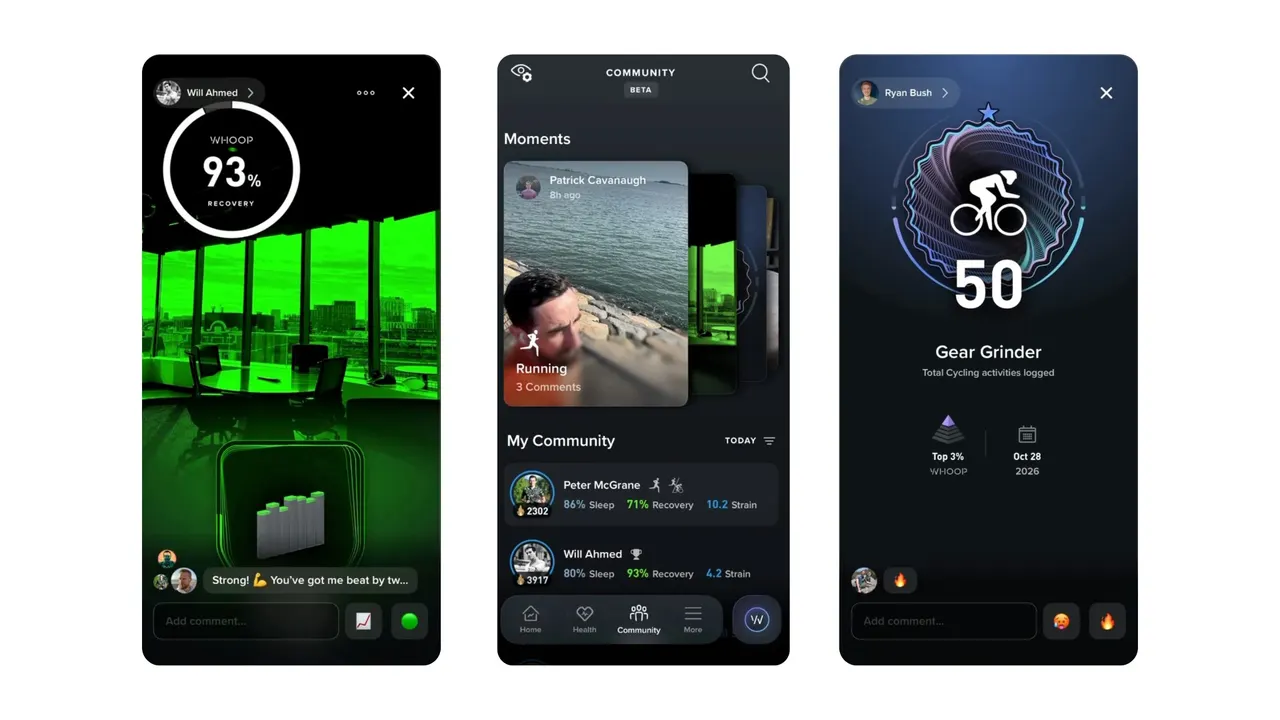
Whoop Humans is a social network built on 'verified heartbeats'

Peanuts Native runs 12 Switch games on Android, no emulator

Glydr foot controller: a $299 pad that moves gaming to your feet
More in: Security
See all →
AI shopping tips: Perplexity sent users to fake stores in 15% of answers
Telegram HTML widgets had an Android remote code execution bug

Spain's new 400 prefix for sales calls already used in a scam