PRIMA retinal implant maker Science Corp. now valued at $3.5B
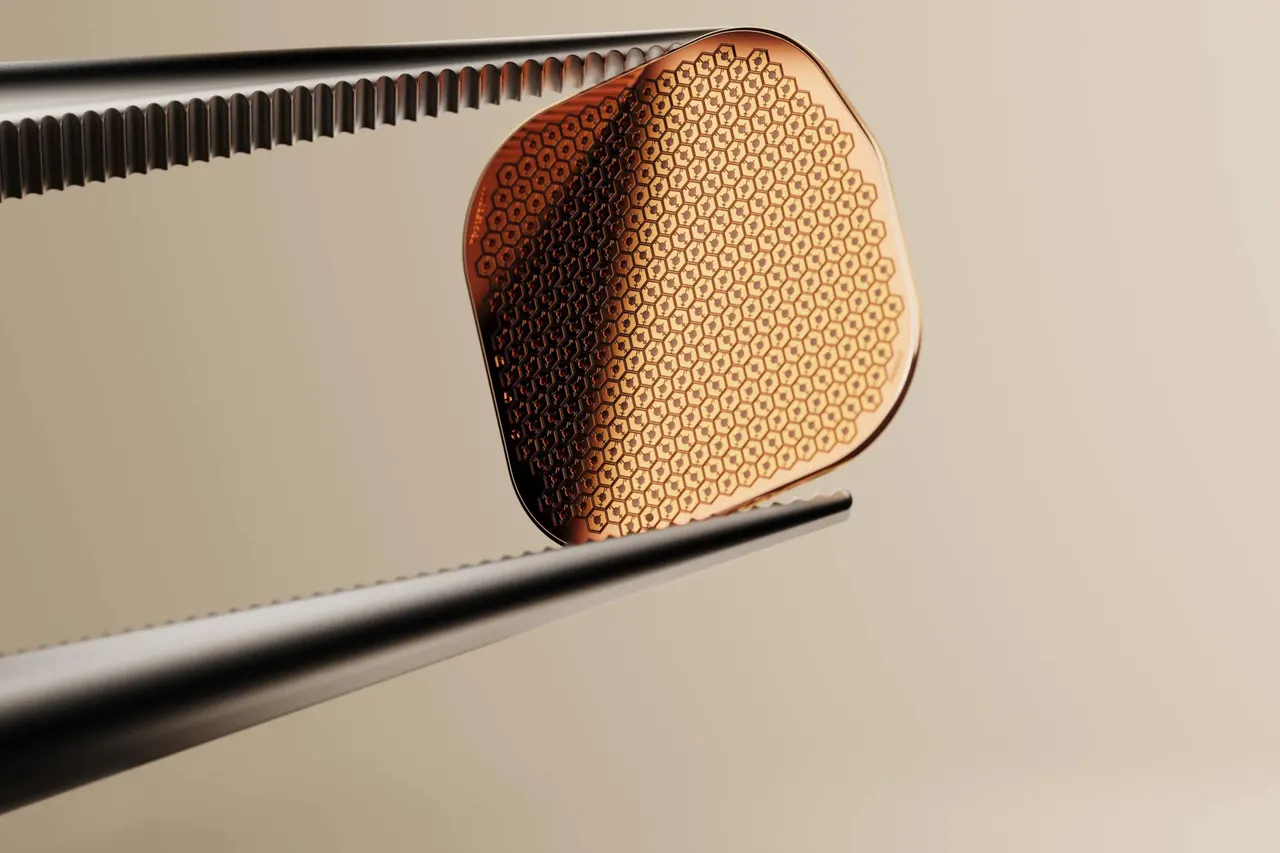
A 2 mm chip under the retina lets some people with advanced macular degeneration read again. Its maker, Science Corp., just raised $400 million.
 SUMO· the number puzzle
 Dialo· learn languages by speaking
 ediviewer· read EDI files like documents
 giftdetect· the right gift in minutes
The PRIMA retinal implant is a tiny chip placed under the retina, paired with a special pair of glasses, and it is already on sale in Germany. Its maker, Science Corporation, has now raised a fresh $400 million, according to people familiar with the deal. That puts the company's valuation at $3.5 billion.
The jump is steep. When Science Corp. raised money in March, it was valued at $1.5 billion, so the figure has more than doubled in about eight months. The company was founded in 2021 by Max Hodak, who co-founded Neuralink with Elon Musk.
What is PRIMA and who is it for?
PRIMA targets people with advanced geographic atrophy, the dry form of age-related macular degeneration, which wipes out the centre of the visual field. The chip takes over the work of the lost photoreceptor cells and partly restores sight. It is a type of electronic artificial retina, and the company says it is the first brain-computer interface (BCI) to get a CE mark for restoring form vision, meaning the ability to read letters and numbers.
That CE mark came in July under the EU's medical device rules and covers sales in 30 European countries. In practice, patients can use it in Germany today.
Is PRIMA available in the US?
Not yet. Science Corp. is going for approval through the Humanitarian Device Exemption (HDE), a route for devices that serve small patient groups. The FDA has given PRIMA a Humanitarian Use Device designation, which allows the company to apply. The designation is not a sales approval. A trial in patients with Stargardt disease, another cause of vision loss, has also started.
What comes next
The money will go toward the European rollout, the US approval effort, and manufacturing. It will also fund Biohybrid, the company's longer-term project. Biohybrid connects cultured nerve cells to silicon, then links those cells to the brain's own circuits. That direct connection to the brain is what Science Corp. is really after.
Neuralink gets most of the BCI headlines, but Science Corp. already has a product with a regulatory stamp on it.
Apps worth a look
SUMO: the number puzzleTap the right tiles, add them up, hit the target. Easy to learn, hard to master. Free, for all ages.
Dialo: learn languages by speakingTalk to an AI conversation partner; every sentence comes back corrected and explained in your language. 9 languages, A1 to C2.
ediviewer: read EDI files like documentsOpen EDIFACT and X12 messages, see every segment explained, convert to JSON/XML, export PDF and Excel. Runs locally, no upload.
giftdetect: the right gift in minutesPick who it is for, the occasion and their personality. The search engine reads product descriptions from local shops and ranks what fits. Free, no sign-up.
More from this day
See all →Hugendubel, Tolino Cloud and eBook.de offline after cyberattack

YouTube app icons: 7 new designs, some retro, are in the works

PC repair job interview: the voltage switch trap he suggested

Google's new 3D emoji need 6GB RAM and 10GB storage, now explained
More in: Science
See all →
Superhabitable planets: why scientists want a better Earth

Brain implant users write first guidelines for BCI trials

Teen screen time and the brain: what a Finnish MRI study found