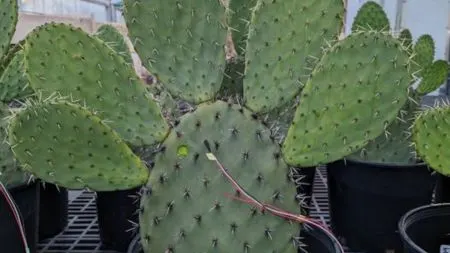
Prickly pear cacti produce electric voltage, like living solar panels
Prickly pear cacti, built to survive in dry regions, also generate an electrical voltage as they photosynthesise. That makes them a kind of living solar panel.
 SUMO· the number puzzle
 Dialo· learn languages by speaking
 ediviewer· read EDI files like documents
 giftdetect· the right gift in minutes
A cactus you might find on a dry hillside can also make electricity. Prickly pear cacti, known in German as Feigenkakteen, generate an electrical voltage while they go about their normal business of photosynthesis.
The plants use a special form of photosynthesis, an adaptation that lets them survive in arid regions where water is scarce. It is this process that produces the voltage, which is why the cacti are being described as living "solar panels".
How do prickly pear cacti generate electricity?
The short answer is: through photosynthesis, the way plants turn light into chemical energy. In the prickly pear, this runs in a specialised variant suited to dry climates, and an electrical voltage appears as a side effect. The material available so far does not go into how much power that is or how it is tapped.
What does it mean?
A plant that grows in dry places, needs little care and also delivers a voltage is an appealing idea for anyone thinking about renewable energy. For now, though, this is a finding about how the cacti work, not a ready-made product. No output figures or practical uses are given in the information we have.
Apps worth a look
SUMO: the number puzzleTap the right tiles, add them up, hit the target. Easy to learn, hard to master. Free, for all ages.
Dialo: learn languages by speakingTalk to an AI conversation partner; every sentence comes back corrected and explained in your language. 9 languages, A1 to C2.
ediviewer: read EDI files like documentsOpen EDIFACT and X12 messages, see every segment explained, convert to JSON/XML, export PDF and Excel. Runs locally, no upload.
giftdetect: the right gift in minutesPick who it is for, the occasion and their personality. The search engine reads product descriptions from local shops and ranks what fits. Free, no sign-up.
More from this day
See all →
Welopō‘ai: a triple star system 27.6 light-years away that shouldn't exist

Google's Mirror Dimension: a fake internet built for AI agents
mObywatel down this Saturday night: 3-hour maintenance window