Philip, the invented ghost that 1970s Toronto researchers made talk
In the 1970s, Toronto parapsychology researchers invented a ghost named Philip. After they staged Victorian séances, the table began to answer their questions.
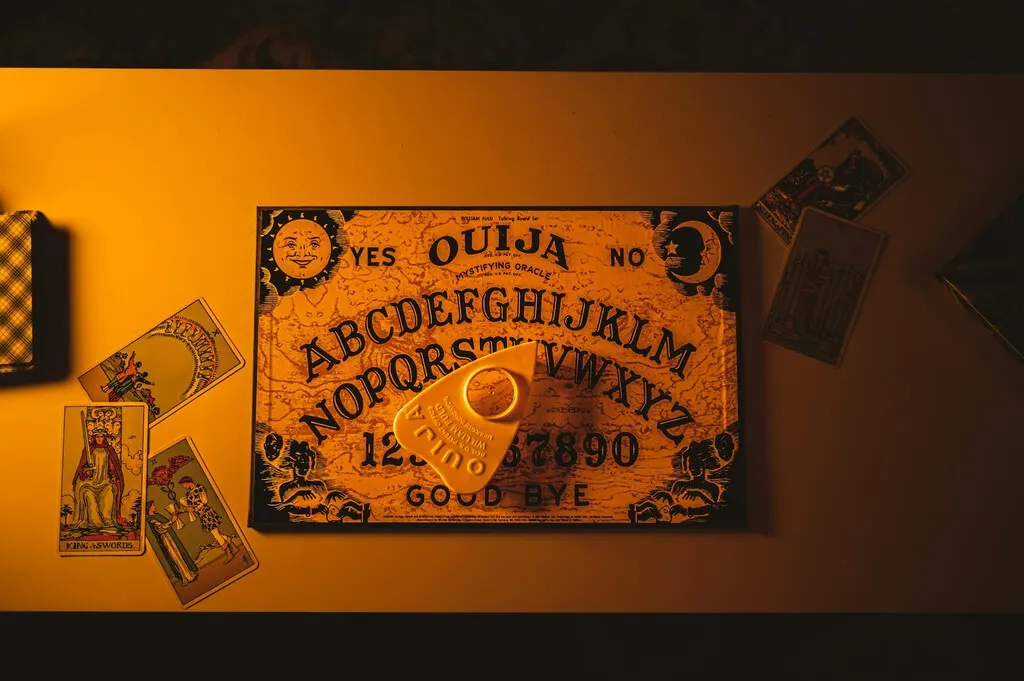
In the 1970s, a team from the Toronto Society for Psychical Research set out to test a simple question: do the phenomena seen at séances come from outside forces, or from the people sitting at the table? To find out, they made up a ghost, called him Philip, and tried to talk to him. Then the ghost began to answer.
A made-up biography
To add realism, the researchers wrote a full backstory. Philip Aylesford was a 17th-century lord of Diddington Manor, a real place in England. According to the tale, he was married for political reasons to a woman he did not love and fell for another. His wife accused that woman of witchcraft, she was executed, and Philip took his own life by jumping from a wall.
At first the group simply tried to contact him, with no tricks. Unsurprisingly, nothing happened.
Victorian-style séances
The turning point came when the researchers recreated the atmosphere of Victorian séances, an era when spiritualism was hugely popular and high society hired mediums to entertain guests. There was no medium in the room, but the group imitated the songs, jokes and conversation of those gatherings.
Gradually the table began to vibrate and slide, and at times seemed to levitate. Philip started communicating through knocks: one for "yes", two for "no".
Competing explanations
None of the participants expected it. George Owen argued the result showed that anyone could learn psychokinesis by concentrating mental energy. The rest of the group favored the ideomotor effect instead.
That idea dates from the Victorian era. Physician William Benjamin Carpenter proposed that certain thoughts, ideas or expectations can cause involuntary muscle movements, so suggestible people could themselves move a ouija glass or make a table shake.
Suggestion can be powerful. The 1962 Tanganyika laughter epidemic affected as many as 95 girls at one boarding school, with uncontrollable laughing lasting from a few hours to 16 days, and it later spread to other schools. Such mass psychogenic illness appears when symptoms emerge in several people with no apparent cause, often tied to stress and anxiety. Combined with the ideomotor effect, that offers the most likely explanation for what happened in Toronto.
More from this day
See all →
Galaxy Z Fold9 Ultra Rumors: 200MP Camera, Snapdragon Chip

Samsung Executives Meet OpenAI's Sam Altman on AI Strategy
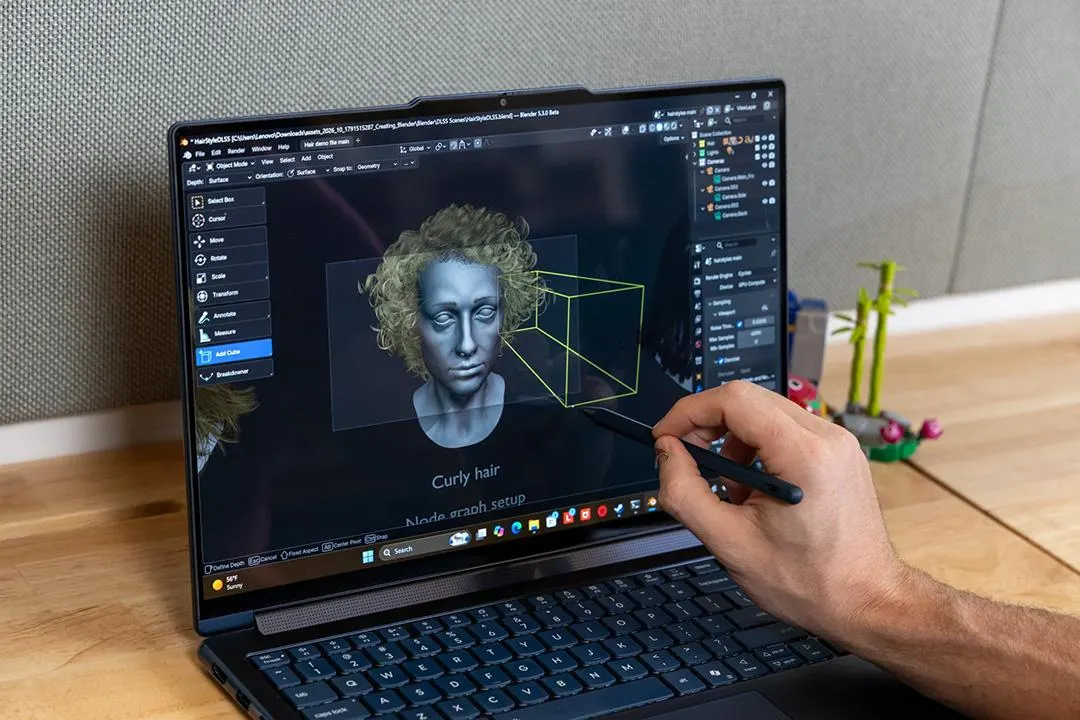
Lenovo Yoga 9n 2-in-1 Review: RTX Spark Laptop Wins on Pen