Panasonic Brings Forward Mass Production of Perovskite Solar Glass
Panasonic will start full-scale production of its ENEFACE power-generating glass in April 2029, a year ahead of plan, after launching early production units in September 2026.
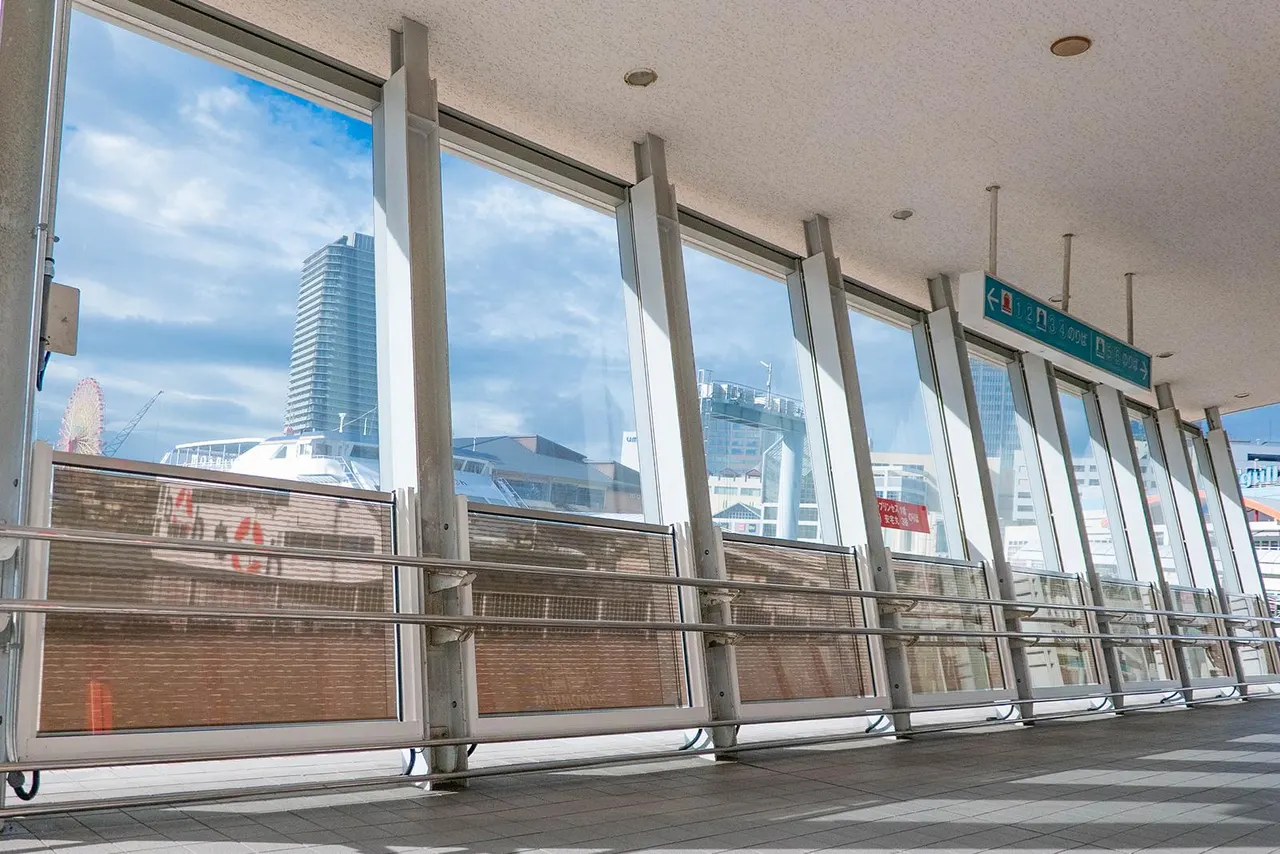
Panasonic has moved up full-scale production of its glass-type perovskite solar cells by a year. Output of the product, branded ENEFACE, will begin in April 2029 at a site in Nagahama, Shiga Prefecture, instead of the originally planned fiscal 2030. Pre-production units went on sale in September 2026.
Efficiency close to silicon
The glass reaches 18.1% efficiency on a roughly 30 cm square sample, a figure certified by a third party. Silicon cells of the same size manage about 20%, so the two are nearly level. Panasonic coats glass with a perovskite layer using inkjet technology developed for display manufacturing, then etches the layer with a laser to create patterns and control transparency. Etching reduces output, but the company says it can keep the glass see-through without removing as much material as the look suggests. Because no molds or master plates are needed, changing a pattern barely changes the price.
First installations
At the Kamomeria cruise terminal in Kobe, eight wave-motif panels, about 9 square meters in total, have fed power into the grid since September 2026. Kobe City and Panasonic HD say it is the first glass-type installation at a public facility in western Japan. The demonstration runs until March 2029.
In Osaka's Umeda district, the balcony railing on the 10th floor of a new office building due in December 2027 will use 18 panels, 1.4 m high and 33 m wide. It would be the first use on the exterior of a new office building in Japan.
Cost and open questions
Price is the main hurdle. The glass currently costs five to ten times as much as ordinary building glass, and Panasonic aims for no more than five times at scale. The company argues glass is a small share of total construction costs, so a window that also generates power can justify the premium. Durability is still being tested, with the goal of matching glass building materials and silicon panels; lifespan and warranty terms have not been announced. Demand for the early units is strong enough that new orders are hard to accept.
Panasonic estimates Japan's usable windows (1.6 billion square meters) and walls (7.1 billion) add up to roughly four times the area of Tokyo. It also sees potential overseas, in regions with high electricity prices and renewable-energy mandates for buildings. Chinese maker UtmoLight, meanwhile, says it has covered 13,240 square meters of curtain walls and walkways with perovskite at its Wuxi industrial park.
More from this day
See all →
Russia Weighs Paid IMEI Registration for Imported Smartphones
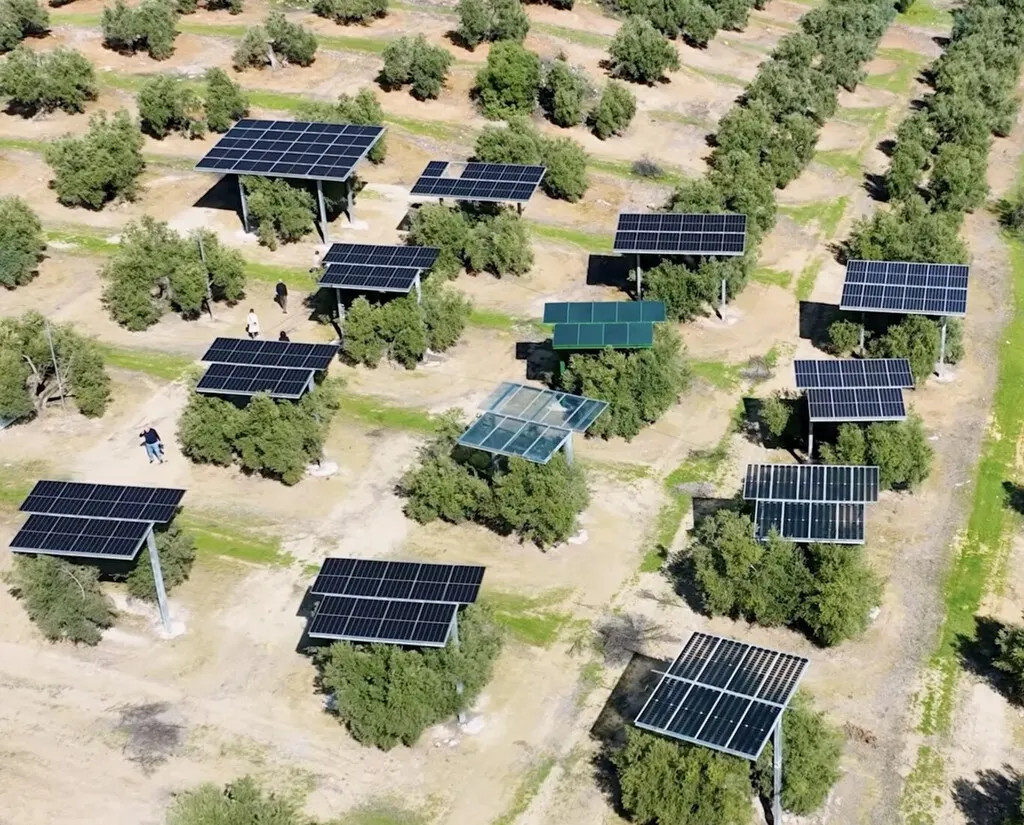
Acesur builds 5,150-panel solar plant above olive grove in Jaén

Aragon approves 48% more water for Amazon's El Burgo de Ebro data center

Bizum Pay works as a mobile wallet, but many shops still lag
More in: Hardware
See all →
Kawasaki's CORLEO Four-Legged Vehicle Targets 2035 Launch

Xreal Aura Launches Mid-November at $1,099 With Android XR

Amazon Unveils Echo Time, Alexa Photo Frame and New Echo Lineup