Kawasaki's CORLEO Four-Legged Vehicle Targets 2035 Launch
Kawasaki Heavy Industries is pushing its CORLEO four-legged ride-on vehicle toward a 2035 product launch, 15 years ahead of its original 2050 concept timeline.
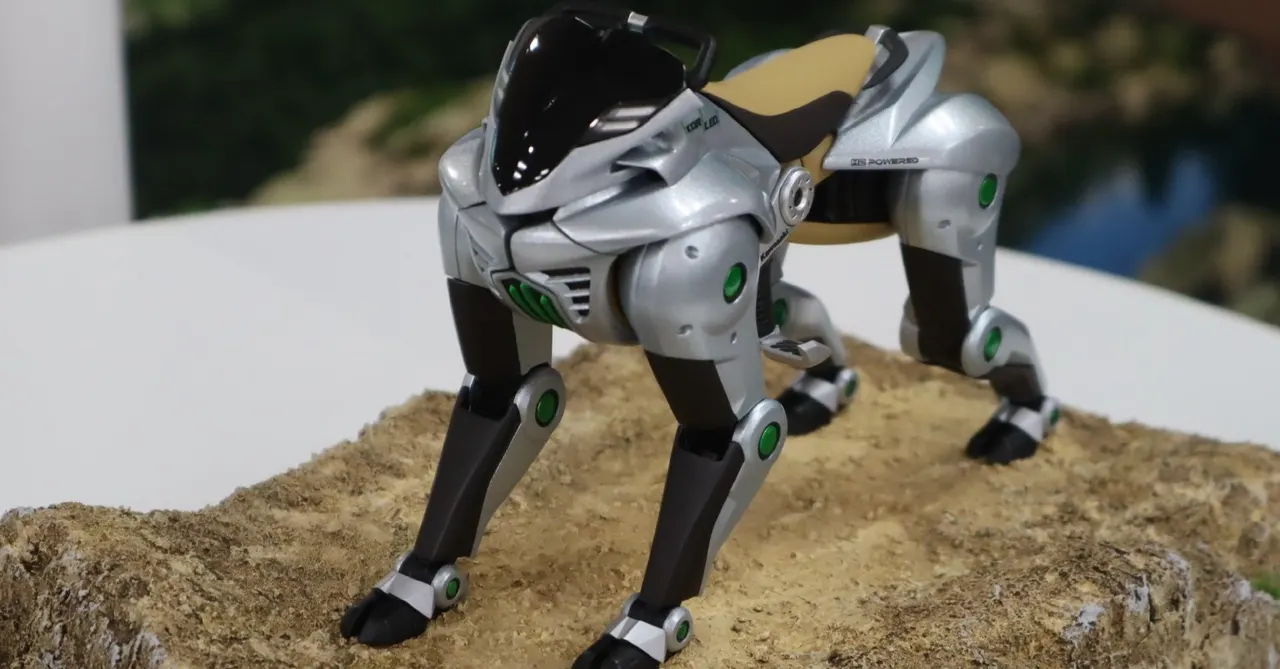
Kawasaki Heavy Industries is moving its four-legged mobility concept CORLEO toward commercialization, aiming for a product launch in 2035. The vehicle drew wide attention on social media after it appeared at the 2025 Osaka-Kansai Expo, where it was first shown as a concept for 2050. The company now runs it as a project reporting directly to the president.
CORLEO is a four-legged vehicle designed to carry a rider along mountain trails. Its body is modeled on a lion's torso and is sized so that one adult can sit on it as if riding a horse, with a seat and handlebars on its back. The rider steers by shifting body weight. Power comes from electricity generated by a hydrogen engine. What was displayed at the Expo was a full-scale model; a machine that can actually walk is still under development.
Why four legs and no wheels
According to Yusuke Amatatsu, general manager of the company's SAFE ADVENTURE division, who leads the project, the idea grew out of the Expo plans. A special team of designers formed about two years beforehand and weighed concepts such as a bike that cannot fall over and a flying car. The problem, he said, was that anything with tires looks much like existing cars and motorcycles. The team wanted something that would excite children at first sight, and so settled on dropping the tires.
Designs with six or eight legs were considered but dropped because they evoke insects and feel less approachable. Two legs would be hard to distinguish from humanoid robots. Four legs offered stability and familiarity, and structurally they take up less trail space and make foot placement easier to judge and control than more legs would.
Crawling up the mountain
Developers have also gone into the mountains and walked on all fours to see how footing looks from that posture. They found they could not visually confirm every spot where a foot would land, and even deciding where to step was difficult. Amatatsu said designers need firsthand experience, and that he draws on it when considering the machine's design.
The company describes its goal as a ride in which human and machine move as one. Technical hurdles to practical use remain, and no specifications for the production model have been disclosed.
More from this day
See all →
Russia Weighs Paid IMEI Registration for Imported Smartphones
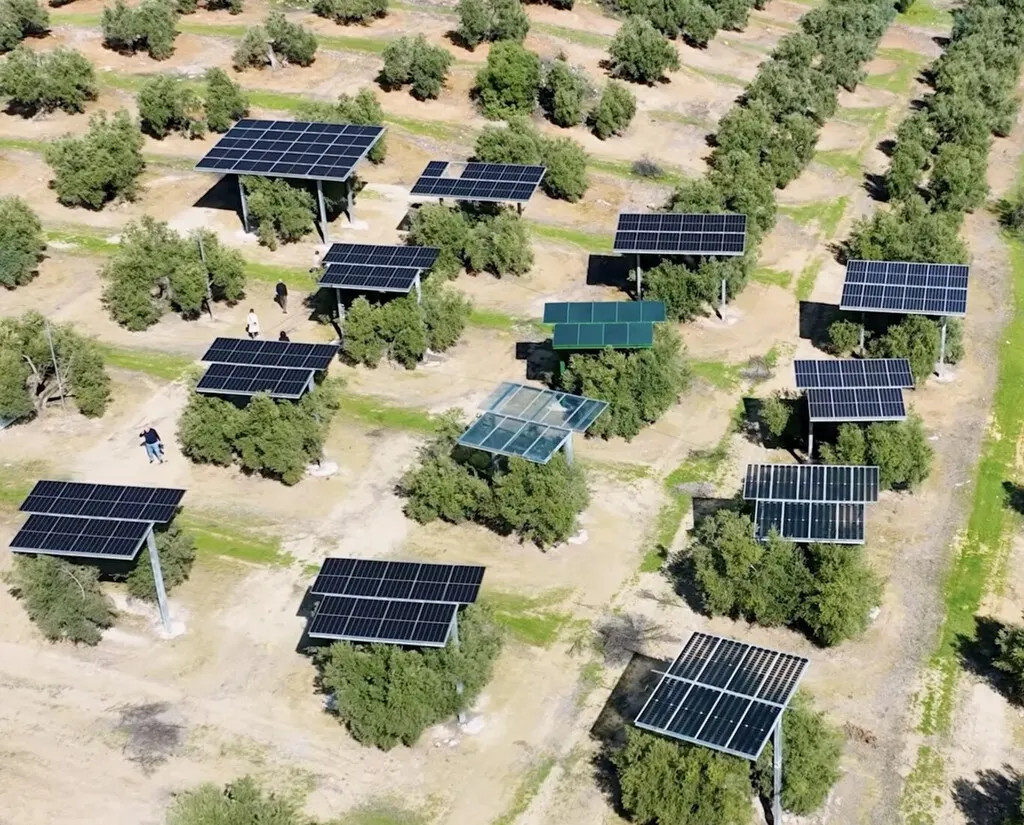
Acesur builds 5,150-panel solar plant above olive grove in Jaén
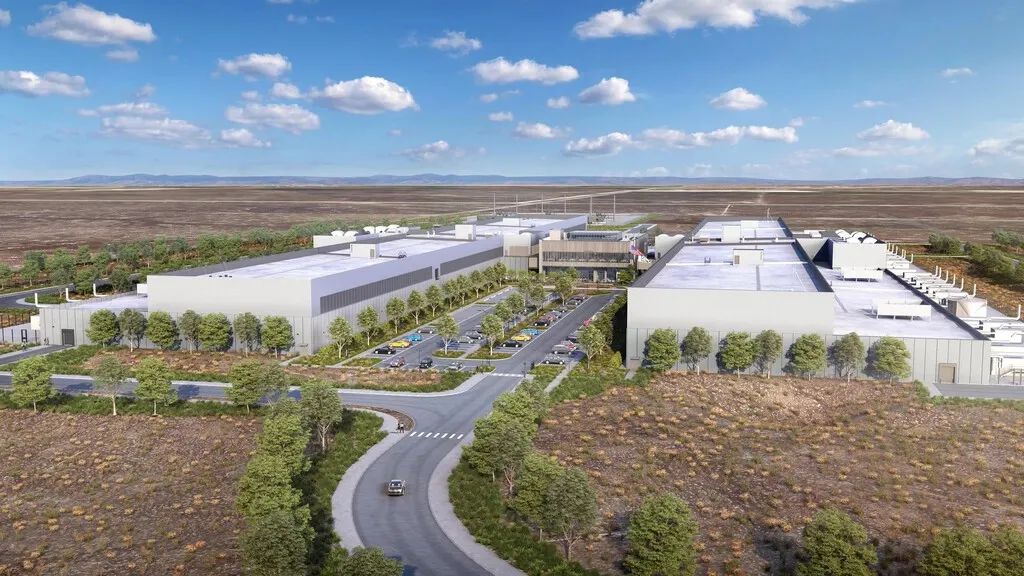
Aragon approves 48% more water for Amazon's El Burgo de Ebro data center

Bizum Pay works as a mobile wallet, but many shops still lag
More in: Hardware
See all →
Panasonic Brings Forward Mass Production of Perovskite Solar Glass
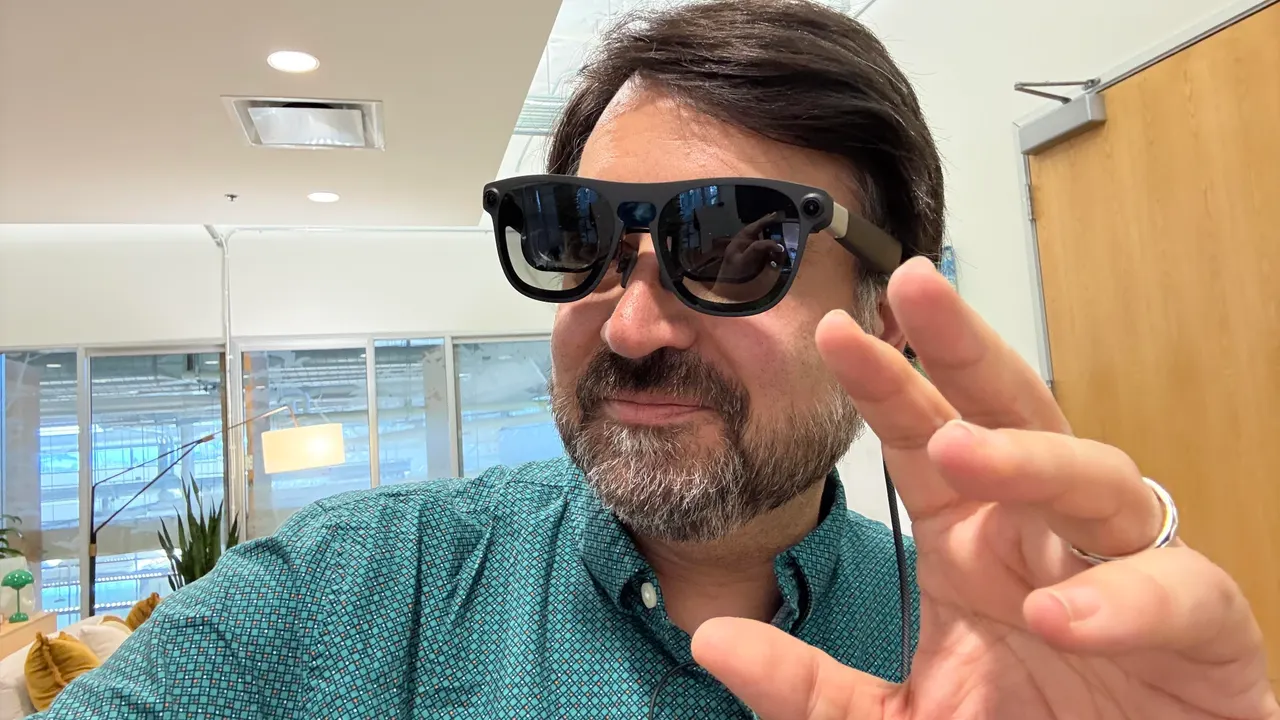
Xreal Aura Launches Mid-November at $1,099 With Android XR

Amazon Unveils Echo Time, Alexa Photo Frame and New Echo Lineup