Old Canon 5D and Fuji X70 turned into digital film cameras with AI
A 2005 Canon 5D now "develops" photos like film, and a 2016 Fuji X70 gets the film simulations Fujifilm never sent. AI chatbots helped hobbyists build the mods.
 SUMO· the number puzzle
 Dialo· learn languages by speaking
 ediviewer· read EDI files like documents
 giftdetect· the right gift in minutes
A Canon EOS 5D from 2005 takes about twenty seconds to process each shot. That used to be a flaw. Thanks to a new mod, it is the whole point: the camera now behaves like a film camera, and old bodies from the back of the cupboard are getting a second life with help from AI tools such as Claude and Codex.
Soup Engine: a Canon 5D that acts like film
The spark was Soup Engine, shown on Reddit on 23 October. It is a module built on Magic Lantern, the community firmware add-on for Canon cameras, and it runs on the very first EOS 5D. You pick one of 13 built-in "films", and every shot produces a second JPEG with that look applied while the RAW file stays untouched.
The slow old processor forces you to slow down too, so you think before pressing the shutter. The author says that makes it feel more like film. The community has since ported it to other Canons, from the 5D Mark II to the 700D, according to CineD, with the looks stored in plain text files anyone can edit.
Other projects copy film's limits on purpose. Film Roll (EOS 6D, 5D Mark III, 7D) loads a virtual roll of 12, 24 or 36 frames at the chosen film's ISO and locks the shutter when it runs out. The Ritual, from Latent Studios, puts the looks of its developing software, sold pay-what-you-want, inside the camera. M-Film covers ten bodies, offers 68 films, shows a frame counter and gives no preview after the shot.
FujiMod: the update Fujifilm never made for the X70
FujiMod, launched in late October, targets the Fujifilm X70, a 2016 APS-C compact the brand dropped long ago. It adds 23 features, including a 65:24 panoramic format, snap focus (a fixed-distance instant focus inspired by the Ricoh GR), highlight metering, named recipes and newer simulations such as Reala Ace. Version 0.2, out on 20 November, has 43 contributors and adds grain, halation (the glow film puts around bright lights) and Color Chrome. It boots from the SD card without rewriting the internal firmware. The X100S and X-E2 are next in line.
Do you need to be a developer?
Not really. Soup Engine's author is a developer but admits the project is "vibe coded". Jake Teton-Landis built an X70 emulator in two weekends, reportedly with $100 of AI subscription, so he could test without bricking a real camera. The project's security page even says contributors aren't expected to read the code they submit. Others used AI to modify a Fujifilm X-H2S's firmware, reinstall PlayMemories apps on a 2013 Sony A7 after Sony closed its store, and reprogram a Nikon D2X.
Apps worth a look
SUMO: the number puzzleTap the right tiles, add them up, hit the target. Easy to learn, hard to master. Free, for all ages.
Dialo: learn languages by speakingTalk to an AI conversation partner; every sentence comes back corrected and explained in your language. 9 languages, A1 to C2.
ediviewer: read EDI files like documentsOpen EDIFACT and X12 messages, see every segment explained, convert to JSON/XML, export PDF and Excel. Runs locally, no upload.
giftdetect: the right gift in minutesPick who it is for, the occasion and their personality. The search engine reads product descriptions from local shops and ranks what fits. Free, no sign-up.
More from this day
See all →
Samsung Galaxy A price increase: up to 19% from January 2027

GTAMusic.fun streams every GTA radio station, GTA 1 to GTA 6

Roole Map adds an EV route planner that picks one trip for you

Anthropic CEO Dario Amodei denies AI should make human decisions
More in: Hardware
See all →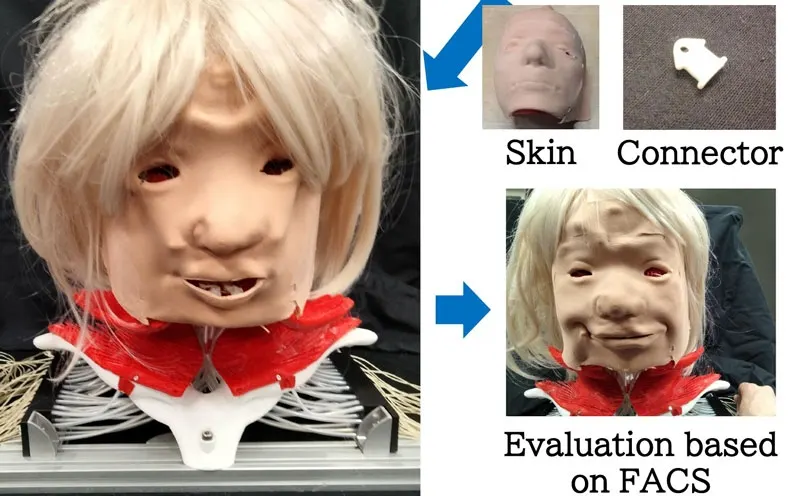
University of Tokyo robot face has 65 artificial muscles

Neiry pigeon drones: Russian firm takes orders for bird photography

NVIDIA GPU supply: rumored 20-30% chip cut for gaming cards