Neardoc AI scribe: one doctor had it chart 2,109 visits in a month
Korean startup Studio Kiko's Neardoc listens to doctor visits and writes the chart. Its heaviest user had the AI record 2,109 visits in a single month.

 SUMO· the number puzzle
 Dialo· learn languages by speaking
 ediviewer· read EDI files like documents
 giftdetect· the right gift in minutes
The average doctor using Neardoc hands 713 patient records a month to an AI. The heaviest user handed over 2,109. That is most of a working day's consultations, charted by software.
Neardoc is an ambient AI scribe, meaning a tool that sits in the exam room, listens to the conversation and writes up the medical record so the doctor doesn't have to. Korean startup Studio Kiko launched it in May. As of November 24, the company says 563 medical institutions use it and it has logged 1,145,868 consultations. The count stood at 970,000 on November 6, so it grew by more than 170,000 in under three weeks. According to the company, 74% of free trial users went on to pay, and growth came from doctors recommending it to each other rather than from a sales team.
How does Neardoc write a chart?
It transcribes the visit in real time and tells the doctor's voice from the patient's. Afterwards it organises the text into a SOAP chart, the standard format that covers the patient's symptoms, the doctor's findings, an assessment and a treatment plan, and enters it into the clinic's electronic medical record (EMR). The work is done by Xynar, an in-house reasoning engine built for medicine. It copes with conversations that mix Korean, medical English and abbreviations, and converts them into standard terms. The finished chart is checked against the original conversation to catch hallucinations, where an AI records something nobody said.
The feature doctors stick with, says the company, is custom charting. A doctor feeds in a few of their usual charts, and Neardoc learns their wording, layout and habit of skipping certain details. Separate templates can be made for first visits and follow-ups. It works with most EMRs used in clinics. In a survey of 120 medical staff run by Studio Kiko, the time to write one chart fell from 3 minutes 48 seconds to 1 minute 8 seconds, about 70% less, and 118 respondents said the AI chart matched their own style.
Moving from small clinics to university hospitals
After proving itself in small clinics, Neardoc is going bigger. In late October the company released an enterprise version for whole hospitals, with staff accounts, permissions by job role, hospital-wide usage statistics and access logs. A month in, it is running proof-of-concept trials with several university hospitals, and public hospitals are adopting it too.
Japan is the first overseas target. Mixed-language consultations are common across Asia, the company reasons, but each country has its own health system and charting habits, so the AI has to be tuned locally. Studio Kiko is led by Kim Se-hoon, founder of Wanted Lab, and was selected this year for the government's TIPS startup program.
Apps worth a look
SUMO: the number puzzleTap the right tiles, add them up, hit the target. Easy to learn, hard to master. Free, for all ages.
Dialo: learn languages by speakingTalk to an AI conversation partner; every sentence comes back corrected and explained in your language. 9 languages, A1 to C2.
ediviewer: read EDI files like documentsOpen EDIFACT and X12 messages, see every segment explained, convert to JSON/XML, export PDF and Excel. Runs locally, no upload.
giftdetect: the right gift in minutesPick who it is for, the occasion and their personality. The search engine reads product descriptions from local shops and ranks what fits. Free, no sign-up.
More from this day
See all →
PS5 scam on Vinted: sellers hide "photo only" in the hashtags
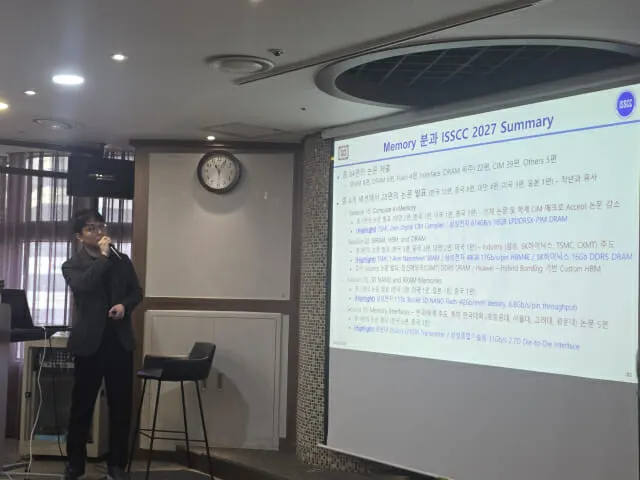
Huawei custom HBM with hybrid bonding accepted at ISSCC 2027

Hottracks to end its music business after 34 years in Korea
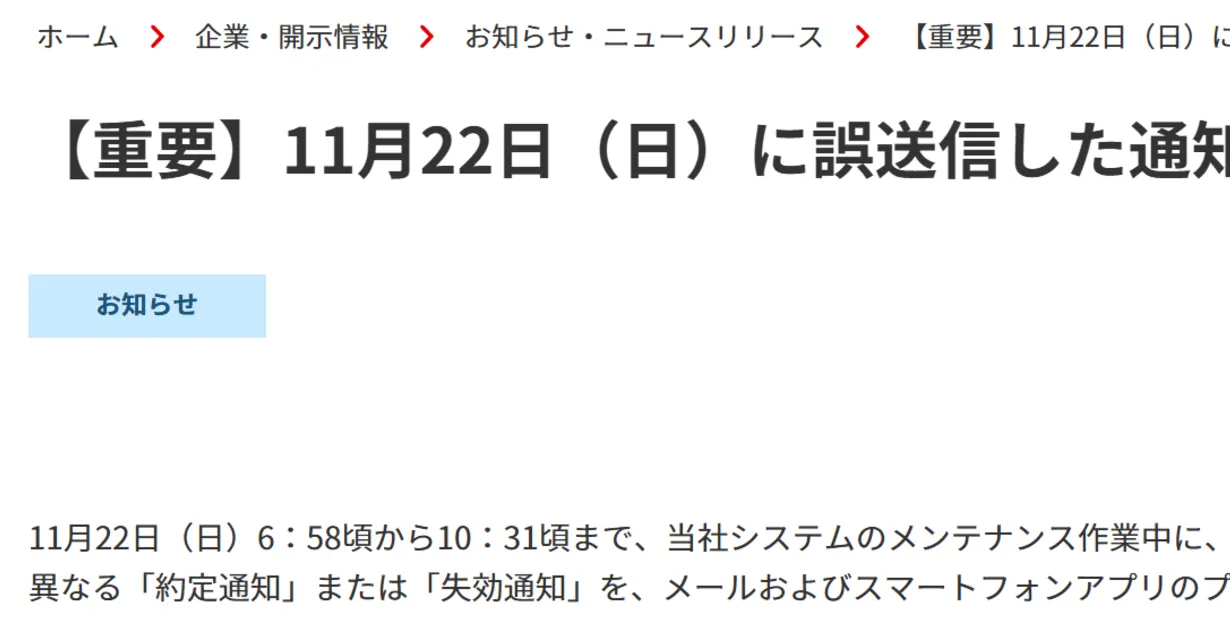
Mitsubishi UFJ eSmart Securities sent trade alerts from the future
More in: Startups
See all →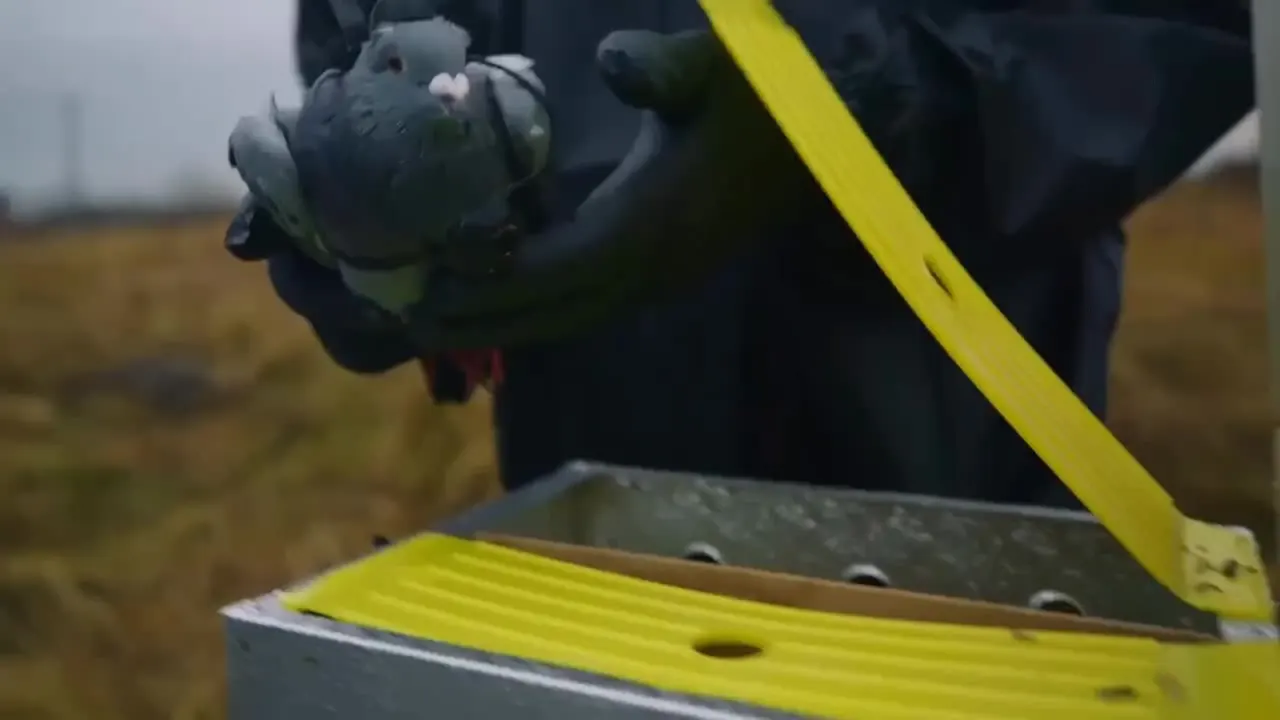
Neiry pigeon biodrones now take aerial photo orders

JioAstro: Jio's AI Vedic astrology platform takes on Astrotalk
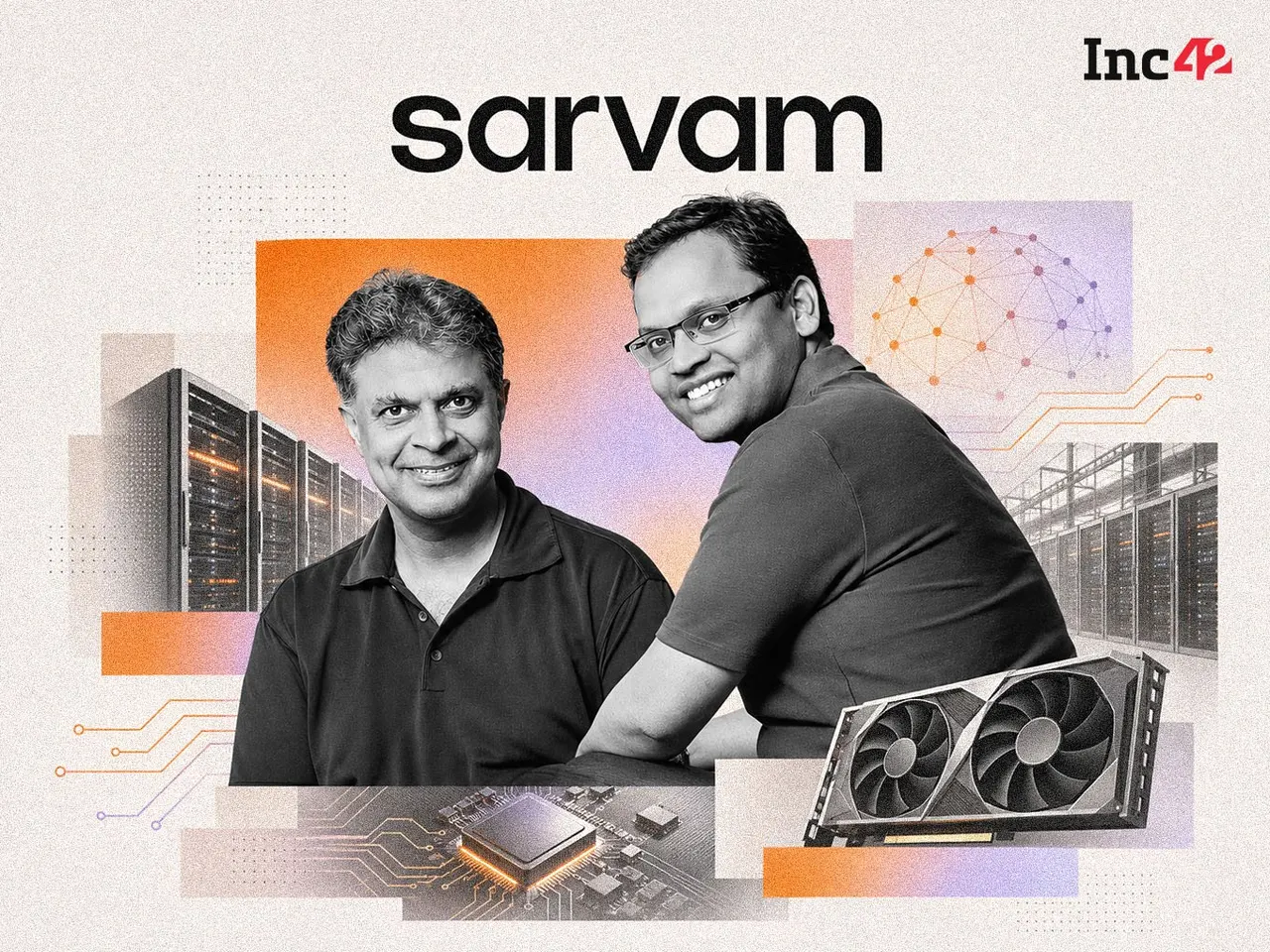
Sarvam AI Token Factory runs on private GPUs, says cofounder