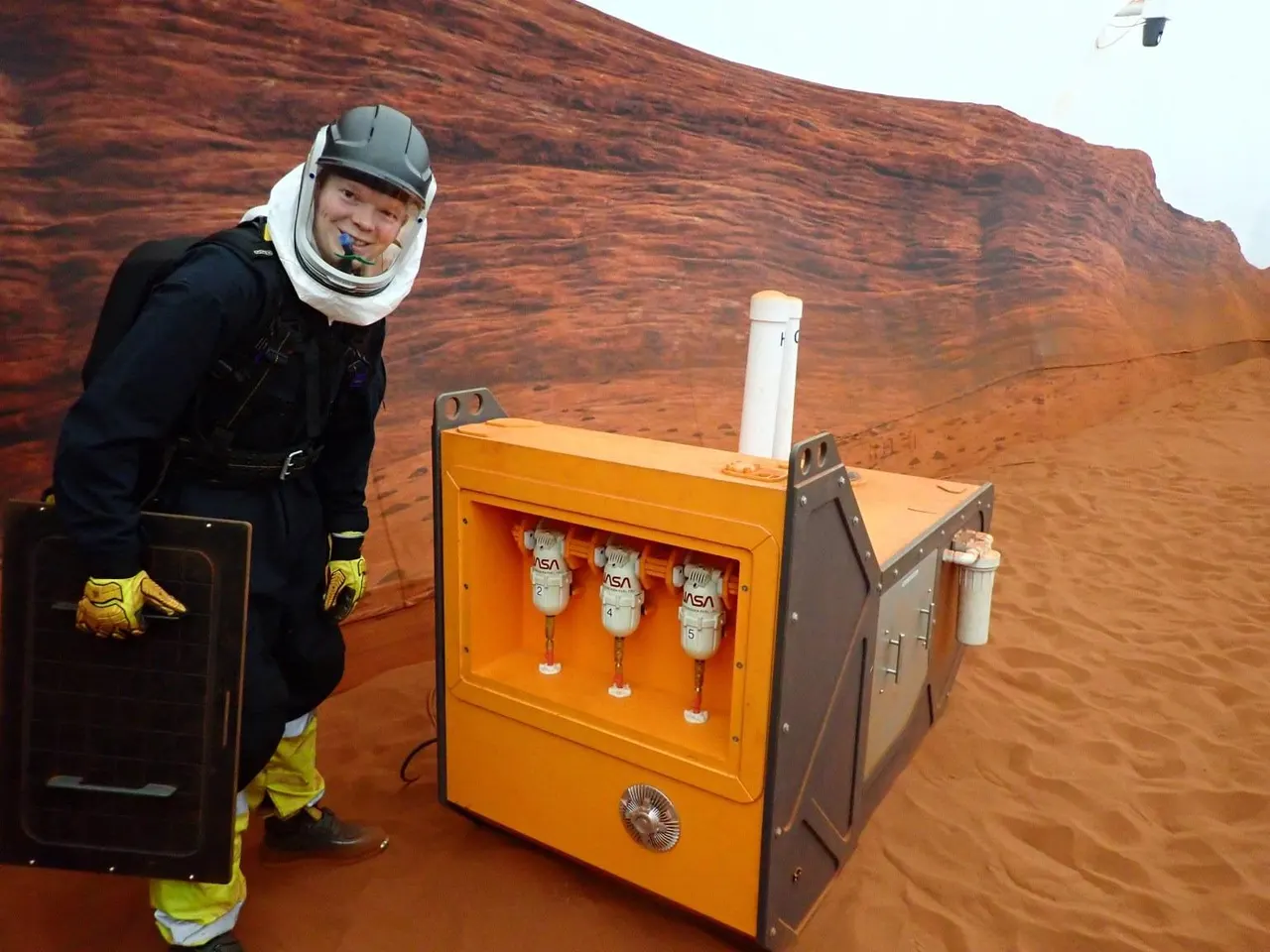
NASA astronaut applications open for a Moon base not yet built
NASA is hiring astronauts for a lunar base that is still only a plan. The pay is about $164,395 a year, and the Moon's south pole is a harsh workplace.
 SUMO· the number puzzle
 Dialo· learn languages by speaking
 ediviewer· read EDI files like documents
 giftdetect· the right gift in minutes
You can now apply to live on the Moon, at least in theory. NASA opened its latest astronaut call on 7 November, with one small catch: the lunar base these people are meant to work on has not been built yet.
Applications close on 3 December. The salary is roughly $164,395 a year. You need US citizenship, a master's degree in a STEM field (or an equivalent, such as two years of doctoral work, a medical degree or test pilot school) and at least three years of professional experience. After that come an extensive medical exam and checks on leadership and teamwork. NASA will name the chosen candidates at the end of 2027. The last call, in 2024, drew 8,000 applications and ended with 10 astronauts.
Why this NASA astronaut call is different
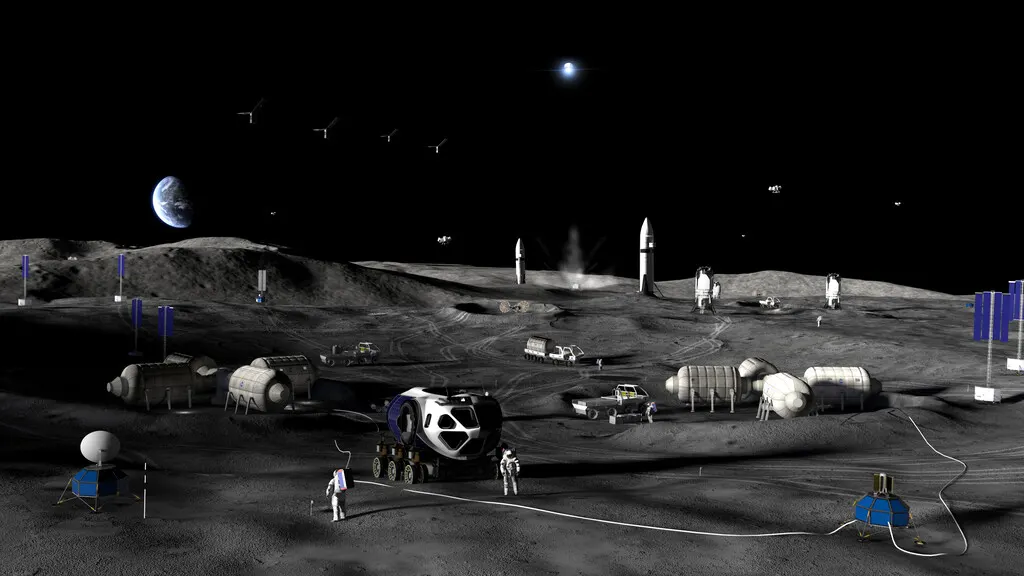
It is the first one NASA has framed around a lunar base rather than short visits. NASA administrator Jared Isaacman says the new recruits could walk on the Moon, live and work at the base, and help build the systems that will carry crews to Mars. With selection in 2027 and two years of training, they would be ready around 2029.
That matches the base roadmap shown at NASA's "Ignition" event in March: robotic access until 2029, infrastructure growth from 2029 to 2032, and human operations after that. Artemis II flew four astronauts around the Moon in April. Artemis III, in mid-2027, will rehearse docking Orion with the Blue Origin and SpaceX landers in Earth orbit. The first crewed landing is pencilled in for 2028, if the schedule holds.
What is the Moon's south pole like?
Nasty. Some permanently shadowed regions fall to about -203 °C, while nearby sunlit areas can pass 54 °C. The Sun hangs near the horizon, which makes it hard to see and hard to collect solar power. Add cosmic radiation, micrometeorite impacts and lunar dust that is sticky, corrosive, damaging to equipment and harmful to lungs.
So why go? Shadowed craters may hold water ice, a key resource for making water, oxygen and fuel.
Apps worth a look
SUMO: the number puzzleTap the right tiles, add them up, hit the target. Easy to learn, hard to master. Free, for all ages.
Dialo: learn languages by speakingTalk to an AI conversation partner; every sentence comes back corrected and explained in your language. 9 languages, A1 to C2.
ediviewer: read EDI files like documentsOpen EDIFACT and X12 messages, see every segment explained, convert to JSON/XML, export PDF and Excel. Runs locally, no upload.
giftdetect: the right gift in minutesPick who it is for, the occasion and their personality. The search engine reads product descriptions from local shops and ranks what fits. Free, no sign-up.
More from this day
See all →Hugendubel, Tolino Cloud and eBook.de offline after cyberattack
YouTube app icons: 7 new designs, some retro, are in the works
PC repair job interview: the voltage switch trap he suggested
Google's new 3D emoji need 6GB RAM and 10GB storage, now explained
More in: Space
See all →BepiColombo reaches Mercury orbit after 8 years and a solar panel snag
Ariane 6 launch live: 36 Amazon Leo satellites on one rocket
Perseverance and Odyssey both fail on Mars within a week