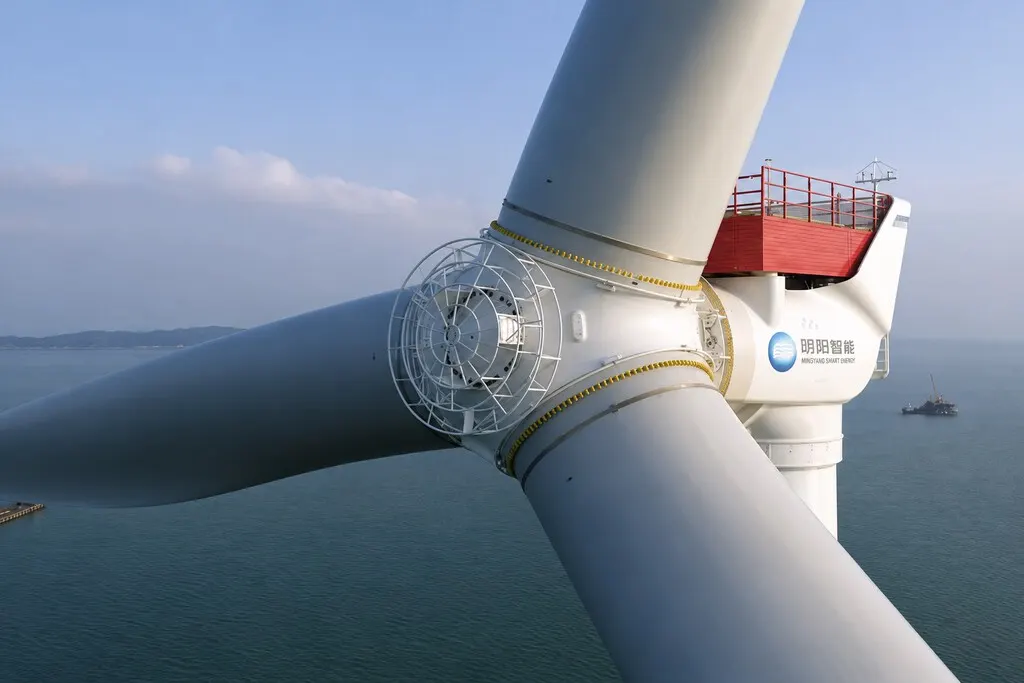
Mingyang MySE18.X-20MW: the 20 MW offshore turbine in Hainan
China has connected Mingyang's 20 MW offshore turbine to the grid. Its rotor sweeps nearly 67,000 square metres, but claims about local climate effects are not backed up.
 SUMO· the number puzzle
 Dialo· learn languages by speaking
 ediviewer· read EDI files like documents
 giftdetect· the right gift in minutes
China has connected the Mingyang Smart Energy MySE18.X-20MW to its grid, and according to the company it is the most powerful single offshore wind turbine in the world, with the largest rotor. It stands in Hainan. Headlines have suggested it is changing the local climate. The studies cited don't show that.
The numbers are big. The machine is rated at up to 20 megawatts. Its rotor diameter ranges from 260 to 292 metres, and the company says the blades sweep an area of 66,966 square metres. In its 2024 sustainability report, Mingyang estimates output of up to 80 gigawatt-hours a year at an average wind speed of 8.5 m/s. That is roughly the yearly electricity use of 96,000 people.
Does a giant offshore wind turbine change the climate?
Not in any way that has been shown here. What is known is more modest. A turbine takes energy out of the wind, so it leaves a wake behind it, downwind. In that wake the air is slower and more turbulent. How far it reaches depends on the weather and on how the turbines are laid out.
Astrid Lampert and colleagues published a paper in August 2026 in Wind Energy Science, based on measurements at offshore wind farms in the German Bight. Taken at height, the data show wakes that can stretch for tens of kilometres when the atmosphere is stable. They also found changes in temperature and humidity.
Wakes matter for the turbines too. Machines standing behind others can receive wind with less energy.
The authors add caveats. Their measurements cover specific periods, the flights. Small effects can also be lost in natural variability. To say anything about the Hainan turbine, you would need data from that site, and so far there is none.
Apps worth a look
SUMO: the number puzzleTap the right tiles, add them up, hit the target. Easy to learn, hard to master. Free, for all ages.
Dialo: learn languages by speakingTalk to an AI conversation partner; every sentence comes back corrected and explained in your language. 9 languages, A1 to C2.
ediviewer: read EDI files like documentsOpen EDIFACT and X12 messages, see every segment explained, convert to JSON/XML, export PDF and Excel. Runs locally, no upload.
giftdetect: the right gift in minutesPick who it is for, the occasion and their personality. The search engine reads product descriptions from local shops and ranks what fits. Free, no sign-up.
More from this day
See all →
Comet 220P/McNaught suddenly got 1,000 times brighter. Here's why

Coral Hart used AI to write 370 books in 20 months

WhatsApp Zaps: self-deleting photos and videos for any chat

Green SM taxis: Karnataka halts new registrations, eyes mandatory meters
More in: Science
See all →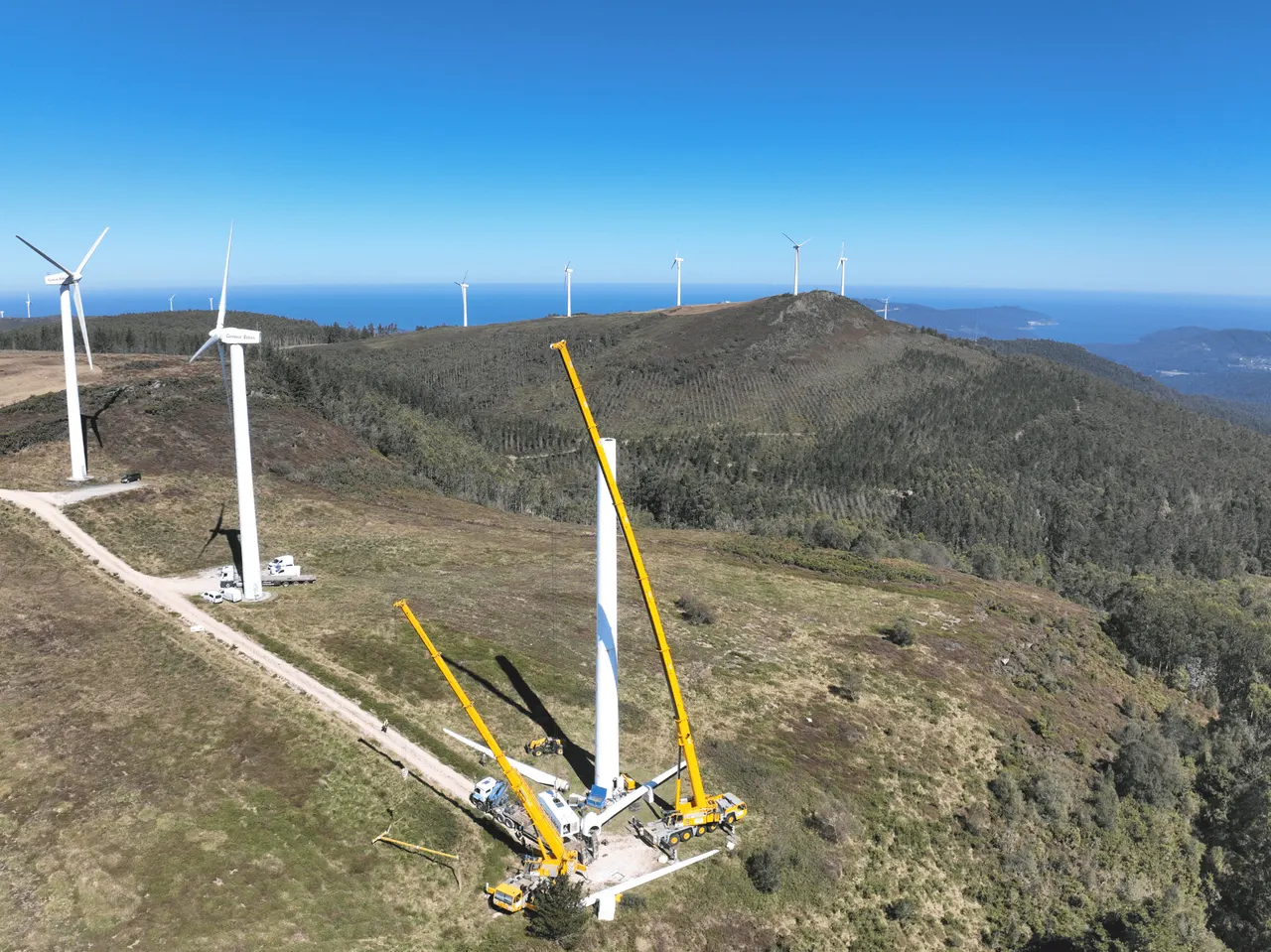
Coriscada wind farm: 4 turbines replace 40 and make 78% more power

Wind turbine blade recycling: a French startup makes ping-pong tables

Drones that carry objects by weaving rope around them midair