Microsoft Outlook outage: some emails were lost for good
Microsoft admits some emails sent during the November Microsoft 365 outage never arrived. A code change from July sat unnoticed for over three months.
 SUMO· the number puzzle
 Dialo· learn languages by speaking
 ediviewer· read EDI files like documents
 giftdetect· the right gift in minutes
Some emails sent during the recent Microsoft 365 and Outlook outage will never reach their recipients. Microsoft has confirmed it in its post-incident report, and the document also shows how a bug can sit quietly in a system for months.
What happened in the Outlook outage
The outage began on 12 November and was fully fixed only on 14 November. A defect in Windows took down Exchange Online, the engine behind Outlook email, and disrupted other Microsoft 365 services. Microsoft says the trigger was a code change made in July. Combined with the switch to backup capacity and a reduction in available resources, it caused the failure. The company stresses that the problem hit the configuration of its own gateway servers, not ordinary Windows installations.
As US users started their workday, gateway servers dropped out one after another. At the peak, more than 80% of the gateway servers in North America stopped responding. The faulty code had been running worldwide for over three months before it brought the gateways down.
Which emails were lost?
Microsoft extended the period for retrying message delivery to 48 hours. But mail addressed to mailboxes that had been inactive for more than 30 days was eventually dropped, and senders received non-delivery notices. According to the company, all queued messages for business users were delivered, and none of them were lost.
Why it wasn't caught
The report points to gaps in testing. Load tests ran on older hardware with fewer cores, so the bug, which showed up on newer systems, was unlikely to surface. Microsoft will move testing to newer hardware, use more realistic traffic patterns and peak loads, and expand its failover tests.
The company also plans to limit the "blast radius" of future failures with segmentation and isolation, so one fault cannot spread across the global network. It will improve recovery procedures and communication, add spare capacity, and upgrade diagnostics and change auditing so engineers can spot a bad Windows update faster.
Apps worth a look
SUMO: the number puzzleTap the right tiles, add them up, hit the target. Easy to learn, hard to master. Free, for all ages.
Dialo: learn languages by speakingTalk to an AI conversation partner; every sentence comes back corrected and explained in your language. 9 languages, A1 to C2.
ediviewer: read EDI files like documentsOpen EDIFACT and X12 messages, see every segment explained, convert to JSON/XML, export PDF and Excel. Runs locally, no upload.
giftdetect: the right gift in minutesPick who it is for, the occasion and their personality. The search engine reads product descriptions from local shops and ranks what fits. Free, no sign-up.
More from this day
See all →
TikTok parental controls now show parents what teens watch

Riemann Hypothesis proof in Lean: is it really solved yet?
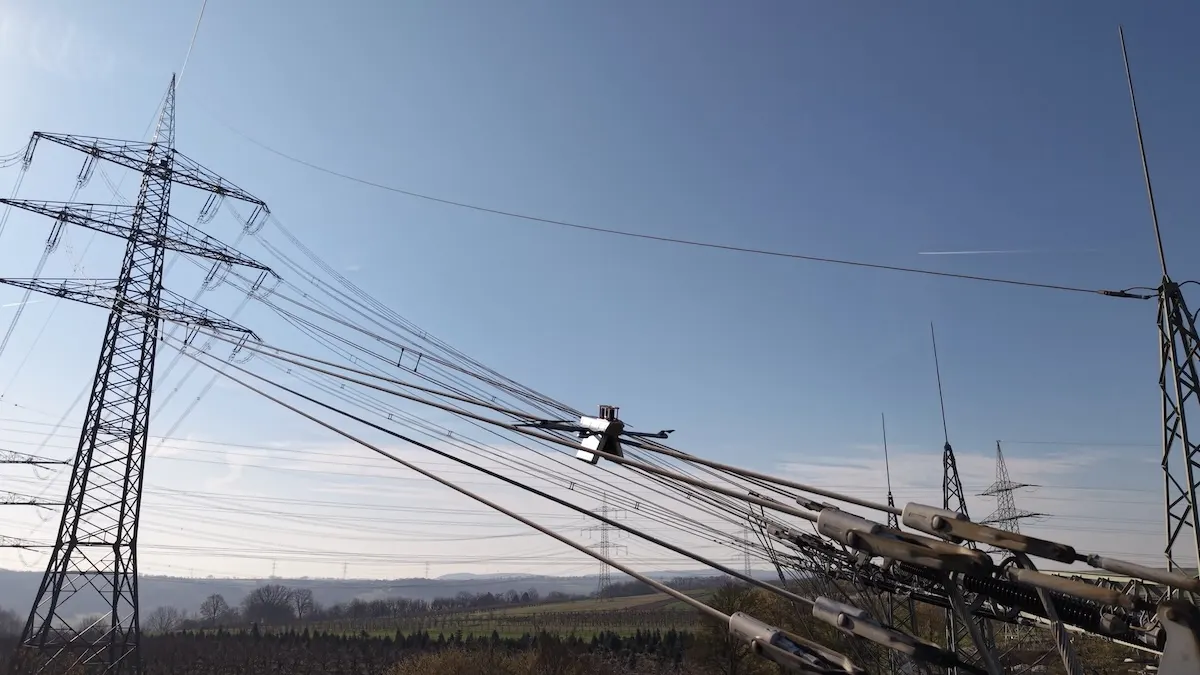
Nomadic Nomad drone charges from power lines and scans 25 km