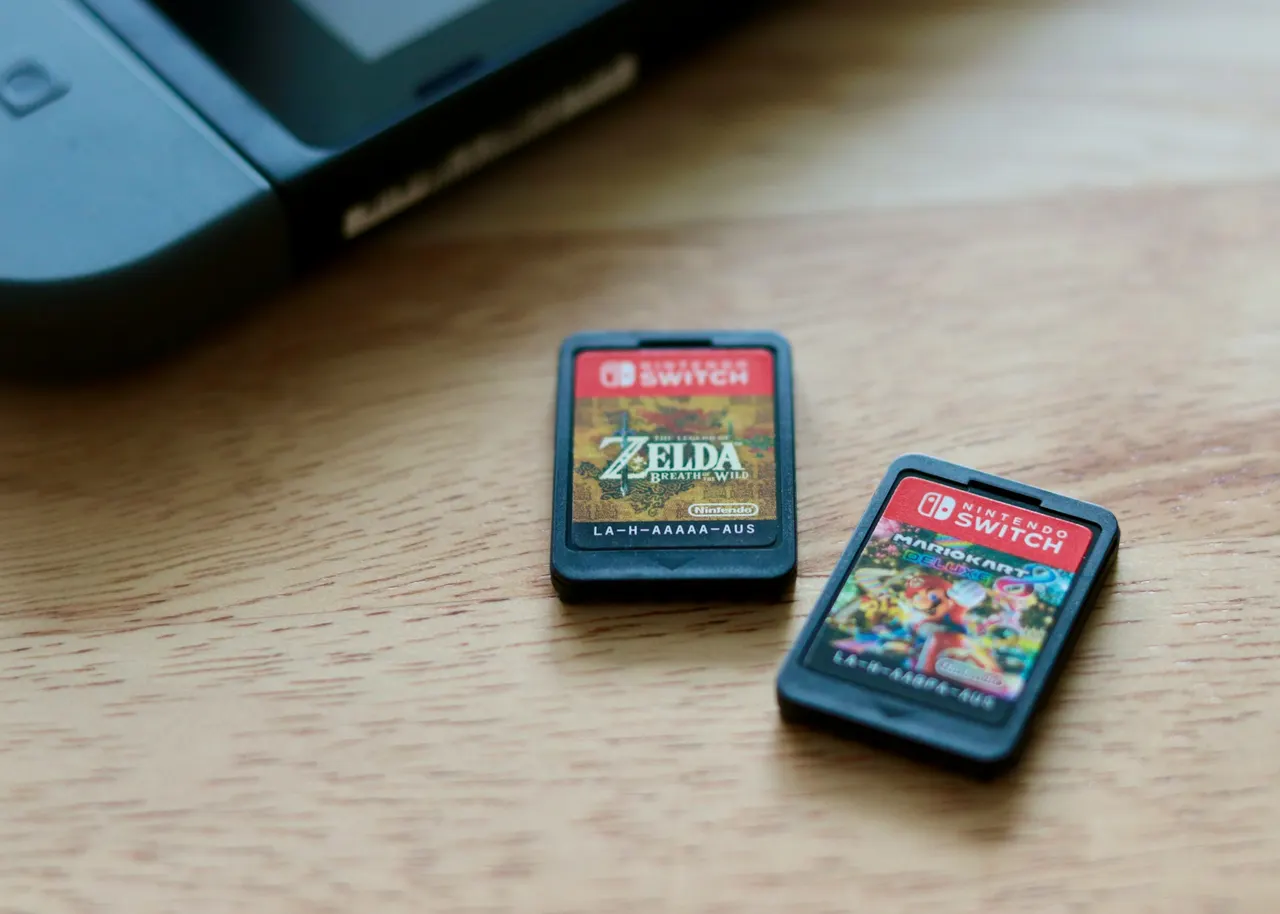
Macronix quits ROM chips used in Nintendo Switch 2 cartridges
Macronix, a longtime supplier of ROM memory for Nintendo cartridges, is exiting the business to focus on NOR and eMMC chips, raising questions for physical games.
 SUMO· the number puzzle
 Dialo· learn languages by speaking
 ediviewer· read EDI files like documents
 giftdetect· the right gift in minutes
Macronix, one of the manufacturers of the ROM memory used in Nintendo Switch and Switch 2 cartridges, has decided to leave that business. The move adds a new obstacle for Nintendo's physical games and could eventually push up the price of console titles.
The company wants to concentrate on products with higher demand. Macronix has been among Nintendo's most important partners, supplying memory components across several hardware generations, from the DS and 3DS to the recently launched Switch 2.
Why Macronix is walking away
According to analyst David Gibson, ROM memory made up only 5% of Macronix's revenue in the third quarter of 2026, a drop from the previous year. On a call with shareholders, the company confirmed it will stop developing these products and redirect its resources to NOR and eMMC memory. Macronix said its production capacity is limited, so it preferred to invest in memory types that earn more than Nintendo's cartridges.
It is not alone in shifting focus during the current memory crunch. Crucial has stopped selling RAM and SSDs after almost 30 years in the sector, as Micron concluded that selling that memory to AI companies is more profitable than selling it to consumers.
What it means for Switch and Switch 2 cartridges
There is no immediate threat to Nintendo's physical format. The company works with other suppliers able to produce this type of memory for its game cards, which should secure cartridge production in the short and medium term. The risk is a longer-term one: losing a key partner could have negative effects down the line.
Nintendo is the only major games company still betting firmly on physical media, even as analysts say digital sales keep gaining ground and already account for more than 60% of software revenue. Some believe Macronix's exit could speed up the adoption of alternatives such as Game-Key Cards, which hold a download key instead of the full game on the cartridge.
A wholesale abandonment of physical games looks unlikely, given the strong revenue Nintendo still earns from its key franchises. A more plausible path, the analysis suggests, is a model like Xbox's, which keeps discs but pairs each one with a single digital license.
Apps worth a look
SUMO: the number puzzleTap the right tiles, add them up, hit the target. Easy to learn, hard to master. Free, for all ages.
Dialo: learn languages by speakingTalk to an AI conversation partner; every sentence comes back corrected and explained in your language. 9 languages, A1 to C2.
ediviewer: read EDI files like documentsOpen EDIFACT and X12 messages, see every segment explained, convert to JSON/XML, export PDF and Excel. Runs locally, no upload.
giftdetect: the right gift in minutesPick who it is for, the occasion and their personality. The search engine reads product descriptions from local shops and ranks what fits. Free, no sign-up.
More from this day
See all →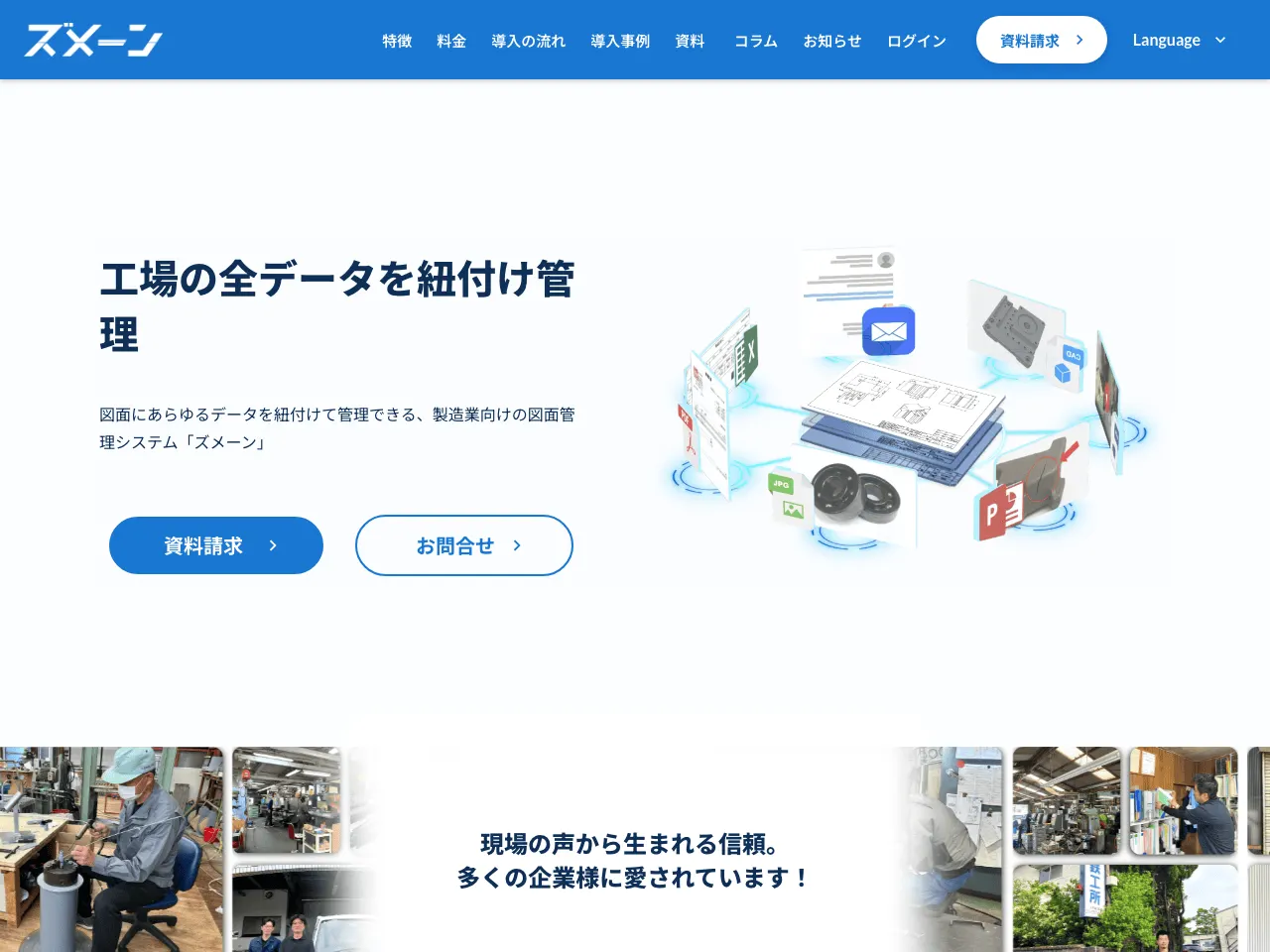
Fact Base raises ¥4.5 billion Series D for Zumen drawing tool

Canonical Patches Maximum-Severity Flaw in LXD and MicroCloud

Apple Watch Audio Intelligence Tested in iOS 27.3 Developer Beta