Leakers$ Hack LED Billboards in Egypt, Malaysia and Brazil
On 29 October, LED billboards in several countries showed pornographic images after a hack claimed by the group Leakers$, which says it found thousands of exposed systems.
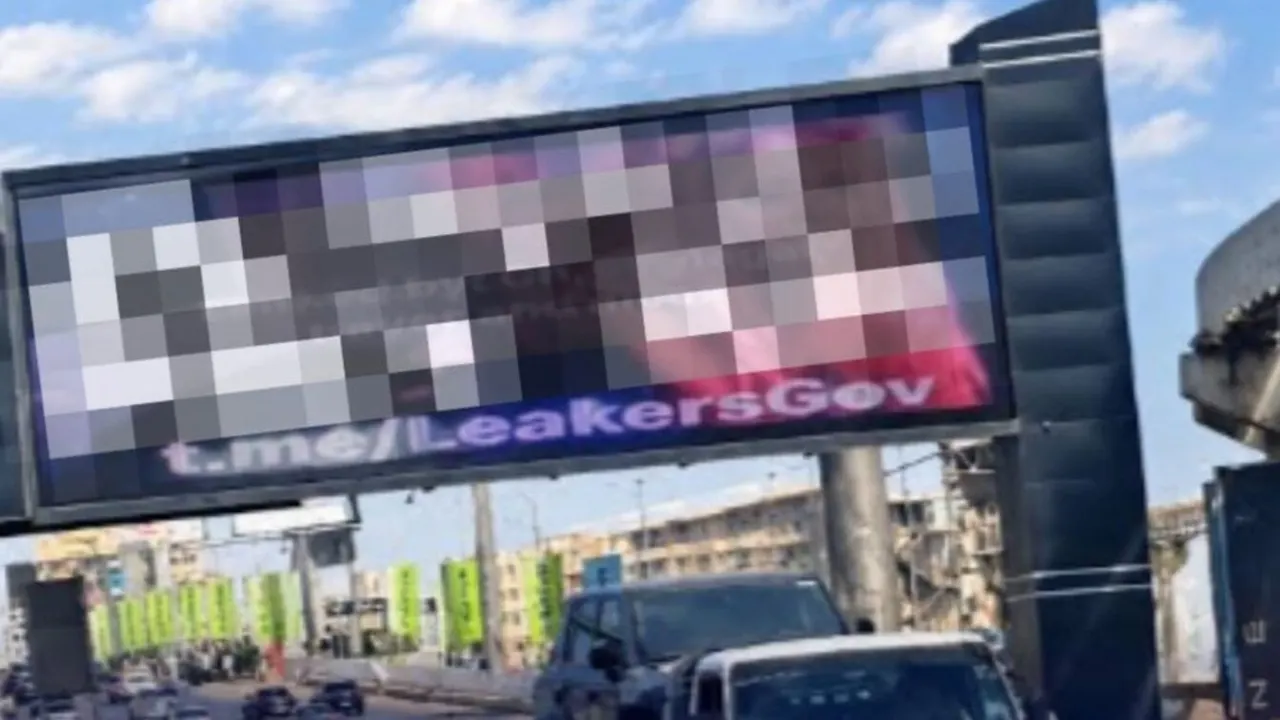
On 29 October, LED advertising screens in several countries displayed pornographic content after being hacked by a group calling itself Leakers$, also known as LeakerGov. The group says it staged the stunt to publicise its intrusion.
Egypt, Malaysia and Brazil were among the countries affected. The group also claims it accessed systems in Iraq and China, but authorities have not confirmed this.
The most striking case was in Giza
The most visible incident took place in Giza, Egypt, on a large billboard overlooking the 26th of July corridor, a busy route linking Cairo to its western suburbs. Some drivers stopped to film the screen, which showed sexually explicit content with a caption reading "Leaked by: Ch, 19ylegal never and nivex" and the Telegram handle @LeakersGov.
The same day, several public LED screens in Kluang, in Malaysia's Johor state, showed similar obscene material. In Brazil, a billboard along an avenue in Campo Maior, in Piauí state, also displayed explicit images. The company operating it, Ferreira & Ferreira Publicidade e Comunicação, said it switched off the equipment immediately, filed a complaint and apologised.
A shared system is the leading theory
Three countries and three different companies were hit at the same time. Nothing is confirmed, but the likeliest explanation is that the attackers compromised a single system used by all these operators. That would echo the hacking of supermarket refrigerators in France last month, which also relied on a common platform.
According to the group's Telegram posts, an automated scan lasting two hours revealed thousands of exposed systems. Leakers$ said the operation "was not as complex as many might imagine" and that companies "charge millions to build infrastructure in several countries, but leave LED screens and advertising networks connected to the internet without even basic protection."
The group also described Egypt as "still under dictatorship" and criticised the government over repression and living standards. It says it asks for no ransom or donations and acted to prove that "anyone can take control of screens across the country in real time."
For advertising operators, the episode is a reminder that internet-facing display controllers need at least basic protection such as authentication and restricted access.
Apps worth a look
 SUMO: the number puzzle
Tap the right tiles, add them up, hit the target. Easy to learn, hard to master. Free, for all ages.
 Dialo: learn languages by speaking
Talk to an AI conversation partner; every sentence comes back corrected and explained in your language. 9 languages, A1 to C2.
 ediviewer: read EDI files like documents
Open EDIFACT and X12 messages, see every segment explained, convert to JSON/XML, export PDF and Excel. Runs locally, no upload.
More from this day
See all →
Sprout Pi Mainboard Adds Bluetooth and USB-C to Old iPods
Apple's Safari Switch Page Takes Direct Aim at Google Chrome
iPhone Duo Scalpers Use AI Bots to Snap Up Restocked Units

Russia orders data centers to reserve 10% of capacity for the state
More in: Security
See all →
Beget declares force majeure after massive cyberattack on hosting
Progress WS_FTP Security Flaws Allow System Compromise

Hackers hit supermarket fridges in Belgium, Sweden, Luxembourg