Hackers hit supermarket fridges in Belgium, Sweden, Luxembourg
Overnight on 1–2 November, attackers forced defrost mode on refrigeration systems at dozens of Belgian supermarkets, repeating a method used in France in October.
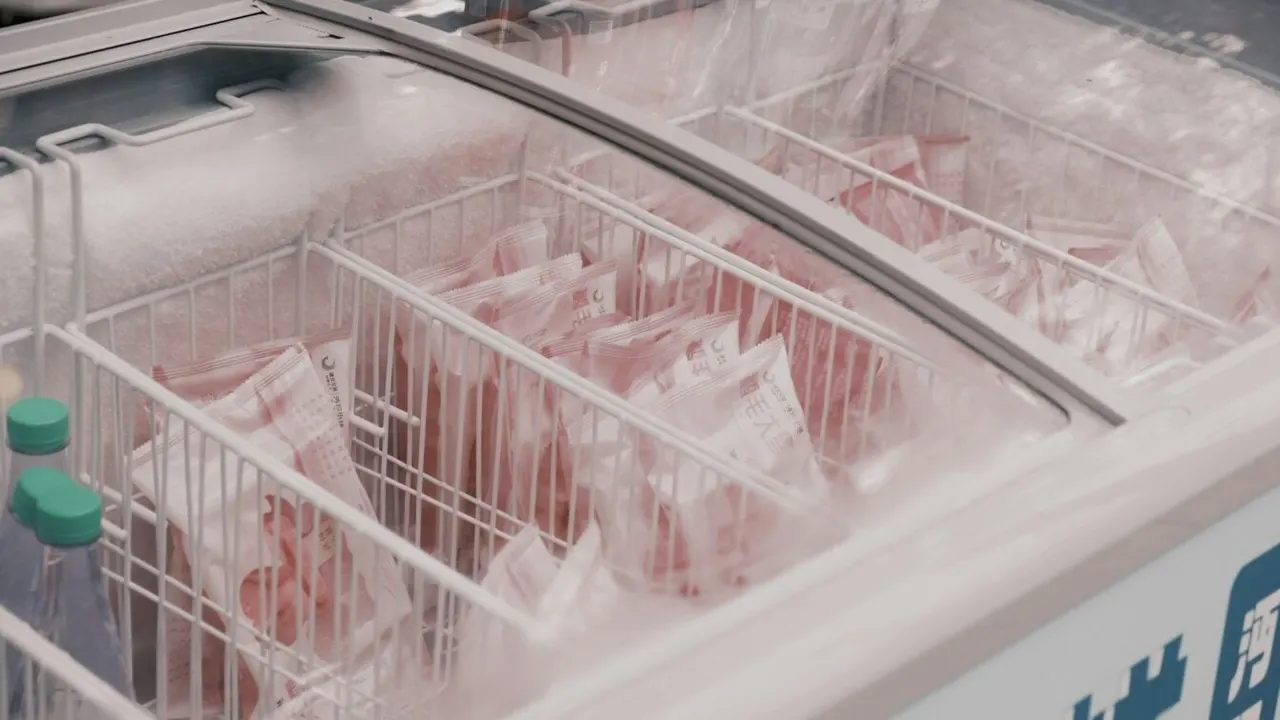
Hackers took remote control of refrigeration systems at dozens of supermarkets in Belgium overnight from Sunday 1 to Monday 2 November 2026, forcing the equipment into defrost mode. Temperatures in fridges and freezers started to climb, putting stored food at risk.
Delhaize said the "IT incident" hit refrigerators and freezers in dozens of its stores in Belgium and Luxembourg. Carrefour stores, five Spar convenience shops and some Ikea stores were also affected. In some Delhaize shops, temperatures reached 15 °C, and several managers urgently called in refrigerated trucks to save their stock. Many stores broke the cold chain and threw away fresh and frozen products as a precaution.
Same method as in France
Sabcobel, a company that installs refrigeration systems, mobilised its technicians in the middle of the night. Its CEO, Stephan Moelans, said his team spent the whole night and morning disconnecting affected installations from the network, and the firm counts about twenty compromised systems. He said the attackers used "exactly the same mechanism" as in France: forced defrosting.
Sweden was hit too. The chains ICA and Coop reported similar incidents, and in one Swedish store temperatures exceeded 50 °C.
The pattern echoes the attack of the night of 11–12 October in France, where hackers took over refrigeration systems at hundreds of supermarkets, including Intermarché, Super U and Leclerc. Temperatures there also rose to 50 °C, and losses ran to tens of millions of euros. France's cybersecurity agency ANSSI found that the attack relied not on a sophisticated flaw but on "elementary security failings": equipment exposed directly to the internet and protected by weak, easily guessed passwords. That has led to speculation that relatively inexperienced attackers using AI may have been behind it.
Why it matters
The main risk is replication, one expert warned after the French attack: the method is public and cheap, and vulnerable equipment will not be replaced within weeks. Belgian refrigeration firms are now trying to close the gaps. Moelans said the simplest fix is to manage refrigeration units through a secure internet connection, the approach most of the group's French customers adopted after October's incident.
Apps worth a look
 SUMO: the number puzzle
Tap the right tiles, add them up, hit the target. Easy to learn, hard to master. Free, for all ages.
 Dialo: learn languages by speaking
Talk to an AI conversation partner; every sentence comes back corrected and explained in your language. 9 languages, A1 to C2.
 ediviewer: read EDI files like documents
Open EDIFACT and X12 messages, see every segment explained, convert to JSON/XML, export PDF and Excel. Runs locally, no upload.
More from this day
See all →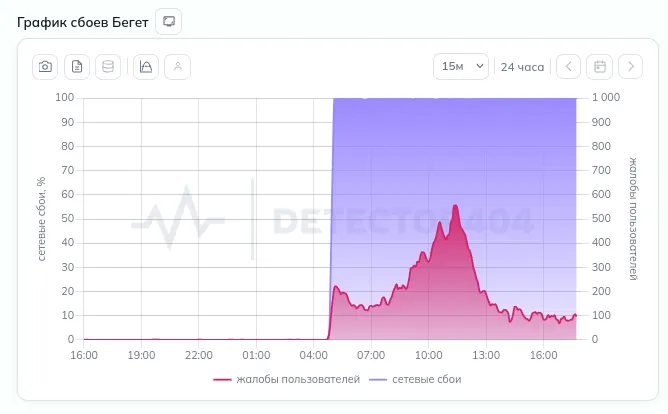
Beget declares force majeure after massive cyberattack on hosting
OpenAI to merge ChatGPT Chat and Work, sharing limits with Codex
Progress WS_FTP Security Flaws Allow System Compromise