Ladybird browser is out on Mac and Linux, and wants you to hack it
The Ladybird browser, built from scratch with no Chrome, Safari or Firefox code, is now downloadable. Its creator is asking security hackers to break it.
 SUMO· the number puzzle
 Dialo· learn languages by speaking
 ediviewer· read EDI files like documents
 giftdetect· the right gift in minutes
The Ladybird browser is finally here, and its creator has an unusual request: please try to hack it. Since 23 November 2026, an alpha version has been available for macOS and Linux.
What makes it notable is what's under the hood. Nearly every browser today runs on one of three engines: Blink at Google, WebKit at Apple or Gecko at Mozilla. Ladybird uses none of them. It was written from zero, without a line of code from Chrome, Safari or Firefox.
Its creator, Andreas Kling, knows this territory. He is a former Apple engineer who worked on Safari, and earlier worked on the WebKit engine at Nokia. In the launch announcement he wrote that he had waited a long time to write that post, but admits there is still "a mountain of work" ahead.
Is Ladybird safe to use?
Not yet, and the team says so. This is an alpha: some sites won't work, and the browser will sometimes crash. Kling promises nothing on security. "We want security enthusiasts to hack it! A new browser gets hacked, again and again, and that is part of the process," he writes. Anyone who succeeds is asked to explain how, so the team can harden the browser.
Users can report a broken site from inside the browser. They can also read each crash report before deciding whether to send it. Regular automatic updates are planned, so testers can follow progress without compiling the software themselves, which was the only option until now.
Who is behind Ladybird?
The project began inside SerenityOS, an operating system Kling was also writing from scratch. Since July 2024 it has been run by the Ladybird Browser Initiative, a non-profit he co-founded with GitHub co-founder Chris Wanstrath, who put in one million dollars. Wanstrath argued that the big engines are all funded by Google's advertising empire, Safari included, since Google pays Apple billions to be Safari's default search engine.
Ladybird lives on donations and sponsors, and says it refuses any default search deal. The roadmap calls for an alpha in 2026, a beta in 2027 and a stable release in 2028.
Apps worth a look
SUMO: the number puzzleTap the right tiles, add them up, hit the target. Easy to learn, hard to master. Free, for all ages.
Dialo: learn languages by speakingTalk to an AI conversation partner; every sentence comes back corrected and explained in your language. 9 languages, A1 to C2.
ediviewer: read EDI files like documentsOpen EDIFACT and X12 messages, see every segment explained, convert to JSON/XML, export PDF and Excel. Runs locally, no upload.
giftdetect: the right gift in minutesPick who it is for, the occasion and their personality. The search engine reads product descriptions from local shops and ranks what fits. Free, no sign-up.
More from this day
See all →
Dark patterns in India: 94% of 354 top platforms still use them
Grok Imagine lawsuit: Oregon and Virginia sue SpaceX over AI images

Sarvam AI Token Factory runs on private GPUs, says cofounder

Phone battery drains fast at 100%? Why the number misleads
More in: Software
See all →
Windows 11 driver crashes: Microsoft wants makers to use its own
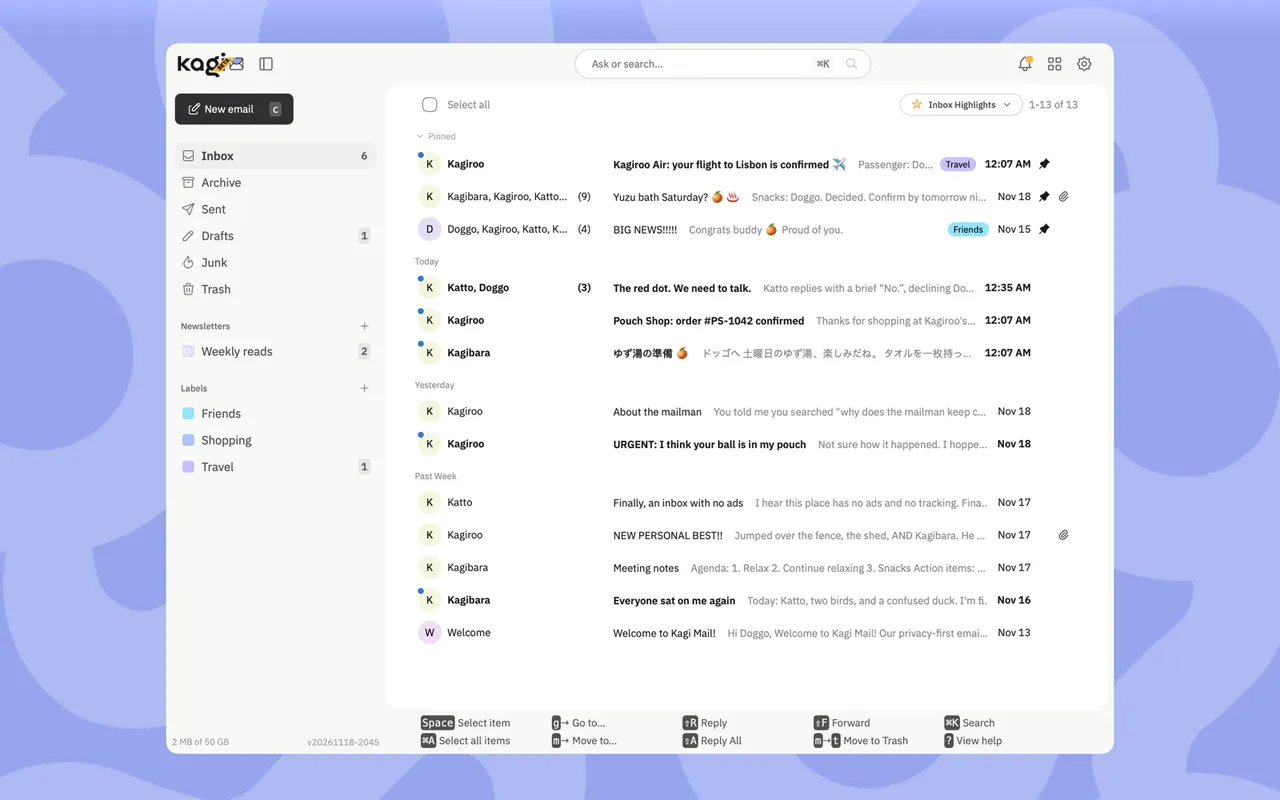
Kagi Mail is a Gmail rival with no ads and a 60-day free trial

OLEDTextFix: free Windows tool targets colour fringes on OLED text