Klarna and PayPal may ask about your rent under new EU rules
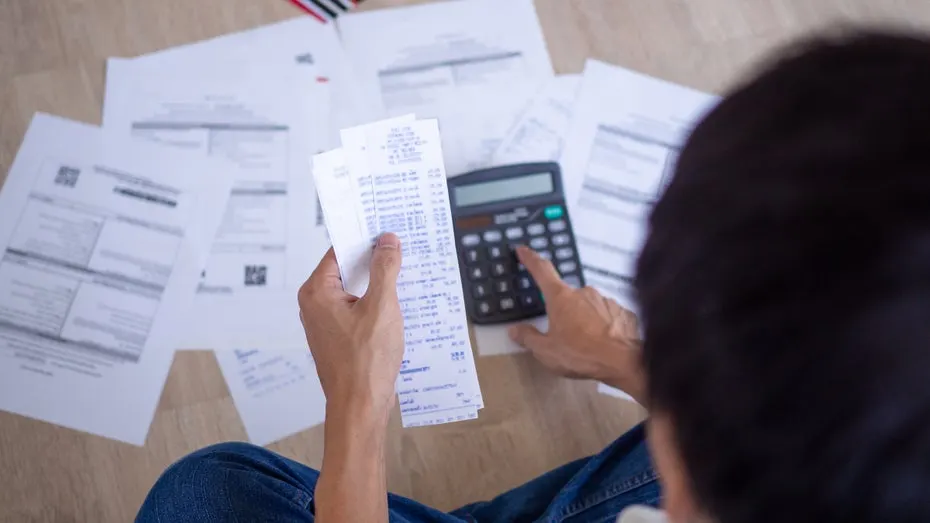
Buy now, pay later is about to get more personal. Under the EU's new consumer credit rules, even a T-shirt on 30-day invoice may trigger questions about income and rent.
 SUMO· the number puzzle
 Dialo· learn languages by speaking
 ediviewer· read EDI files like documents
 giftdetect· the right gift in minutes
You want to order a T-shirt on invoice. The checkout asks how much rent you pay. That is the direction buy now, pay later (BNPL) is heading, and an EU rule is the reason.
The rule is the revised Consumer Credit Directive, known as CCD II. In Germany it applies from 20 November. It reaches small, short-term, interest-free credit that used to slip past the strict consumer credit rules, which is exactly where many BNPL offers from providers such as Klarna, PayPal, Stripe, Unzer or Ratepay sit. The aim is to keep fewer people from sliding into debt.
Providers now have to assess a customer's creditworthiness based on "relevant information on income, expenses and other financial obligations", and not just on past missed payments. That can mean asking how much money is left each month after fixed costs, so rent may be on the list. Some users on social media already report such questions from well-known payment providers.
What is different for small purchases?
Previously, the thorough check only applied from 200 euros, and the classic pay-after-30-or-45-days option was mostly left alone. That has changed. Even small amounts and short terms are now covered. Credit checks in BNPL are not brand new, but for short, interest-free deals they were the exception. If a shop offers its own payment delay without a financing provider, the situation is different, and terms of up to 50 days are possible.
Do providers have to ask for my rent?
No. Neither the law nor the directive requires that question, and neither says which data must be collected or how often. The information has to be proportionate to the amount, the term and the risk. The directive also points to the GDPR principle of data minimisation, so providers may only use what is necessary and appropriate.
A payments expert describes it as a bind for the companies. They must not ask for too much, and they do not want to put customers off. But if a payment defaults, they will be asked how carefully they checked.
For you, one change is useful. If an automated check rejects you at checkout, you can ask for an understandable explanation. You still have no right to get the credit. How often customers will actually be asked about income, rent and household costs is not yet clear. Because a Schufa query may be involved too, it is worth thinking twice before using BNPL for a small order.
Apps worth a look
SUMO: the number puzzleTap the right tiles, add them up, hit the target. Easy to learn, hard to master. Free, for all ages.
Dialo: learn languages by speakingTalk to an AI conversation partner; every sentence comes back corrected and explained in your language. 9 languages, A1 to C2.
ediviewer: read EDI files like documentsOpen EDIFACT and X12 messages, see every segment explained, convert to JSON/XML, export PDF and Excel. Runs locally, no upload.
giftdetect: the right gift in minutesPick who it is for, the occasion and their personality. The search engine reads product descriptions from local shops and ranks what fits. Free, no sign-up.
More from this day
See all →
South Korea's Suneung exam alert caught 49 students with phones

Kh-101 missiles found at three crash sites in Poland, prosecutors say
mBank warns of card scams after the Autopay data leak

Google homepage drops the Search button for AI tools
More in: Business
See all →
Alice Huang reportedly kept contact with Chinese spy agency officer

Trump renews call for Nvidia to rehire Jensen Huang as CEO

YouTube settlement: about $3 billion to US school districts