JR East UWB walk-through gates: 60 people a minute by 2028
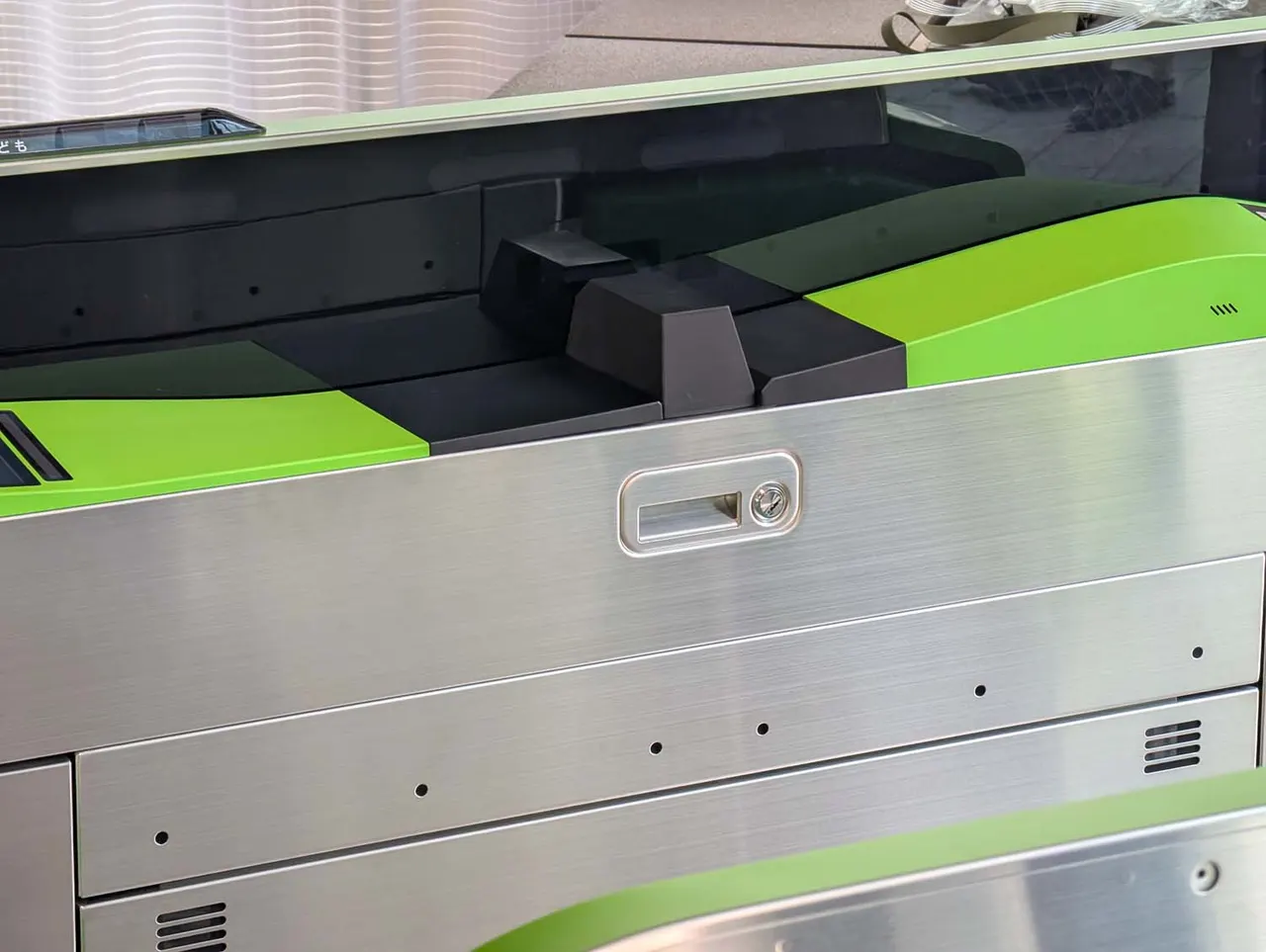
JR East will launch walk-through Suica gates using UWB in spring 2028. They are designed for rush hour, with a target of 60 people a minute.
 SUMO· the number puzzle
 Dialo· learn languages by speaking
 ediviewer· read EDI files like documents
 giftdetect· the right gift in minutes
Imagine walking through a Tokyo ticket gate without touching anything, with your phone still in your bag. JR East says that will be a real service in spring 2028, and the UWB walk-through gate is designed for rush-hour crowds of 60 people a minute.
The company announced on 10 November that the gates are part of "Suica Renaissance" phase six. UWB (Ultra Wide Band) is a short-range radio technology that measures distance very precisely. In spring 2027, a trial will expand from the five stations around Shinagawa announced earlier to 14 stations, including major terminals in central Tokyo. Testers will be recruited and lent a dedicated device, expected to be an AQUOS R10 running a special app, the same phone used at a recent demo at Takanawa Gateway. Sony is helping with modules and systems, and also announced a spatial authentication platform called AirAuth.
How do UWB walk-through gates work?
When you approach, a Bluetooth beacon wakes the UWB chip in your phone and the gate system starts tracking you. Fare data then travels over UWB itself, because the 2.4GHz band gets congested when many people crowd one area. Features in the FiRa Consortium standard keep this orderly: one assigns time slots so many phones don't talk at once, and another sets up each phone's session in advance and keeps it on standby. Setting one up can take up to a second, too slow to start right at the gate.
Why it matters beyond Japan
A similar gate has run since late 2024 on a new transit line in Shenzhen, China, but it uses a proprietary design based on NXP chips, which limits compatible phones. JR East's system follows the FiRa public transport profile in full, so from 2028 it should work on standard Android and iPhone features. The author of the source analysis suggests a foreign visitor with a mobile Suica iPhone could simply walk through.
Open questions remain. The demo gates only measured distance with a single anchor, which may not tell which of several side-by-side lanes you used. Telling lanes apart needs multiple antennas, and phones in bags blur the signal further. The author expects antennas on both sides of the gates, and possibly several per gate at crowded stations. JR East has not confirmed the layout.
Apps worth a look
SUMO: the number puzzleTap the right tiles, add them up, hit the target. Easy to learn, hard to master. Free, for all ages.
Dialo: learn languages by speakingTalk to an AI conversation partner; every sentence comes back corrected and explained in your language. 9 languages, A1 to C2.
ediviewer: read EDI files like documentsOpen EDIFACT and X12 messages, see every segment explained, convert to JSON/XML, export PDF and Excel. Runs locally, no upload.
giftdetect: the right gift in minutesPick who it is for, the occasion and their personality. The search engine reads product descriptions from local shops and ranks what fits. Free, no sign-up.
More from this day
See all →

More in: Hardware
See all →
Claude hacked a $10 Wi-Fi camera to run without the cloud
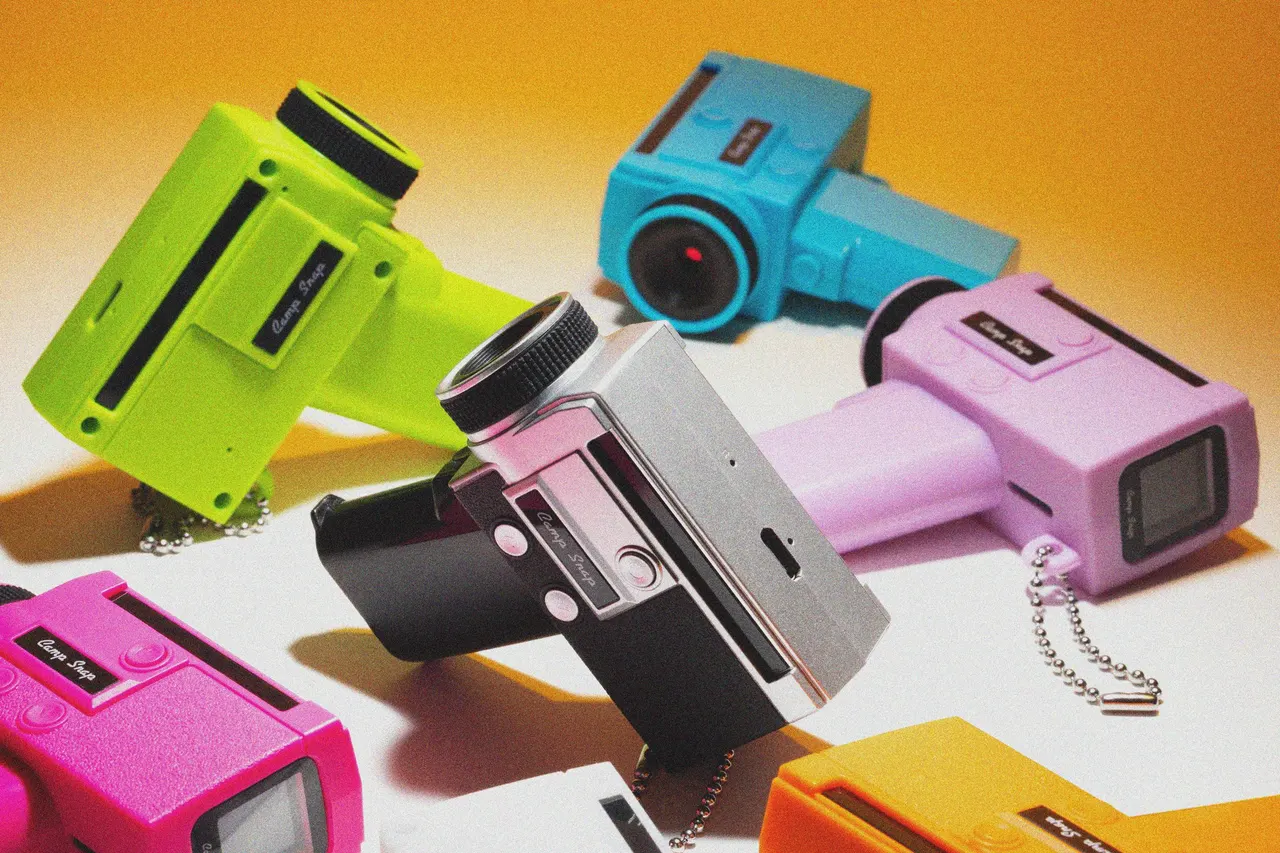
Camp Snap CS-8 Micro camcorder is 3 inches long and clips to keys
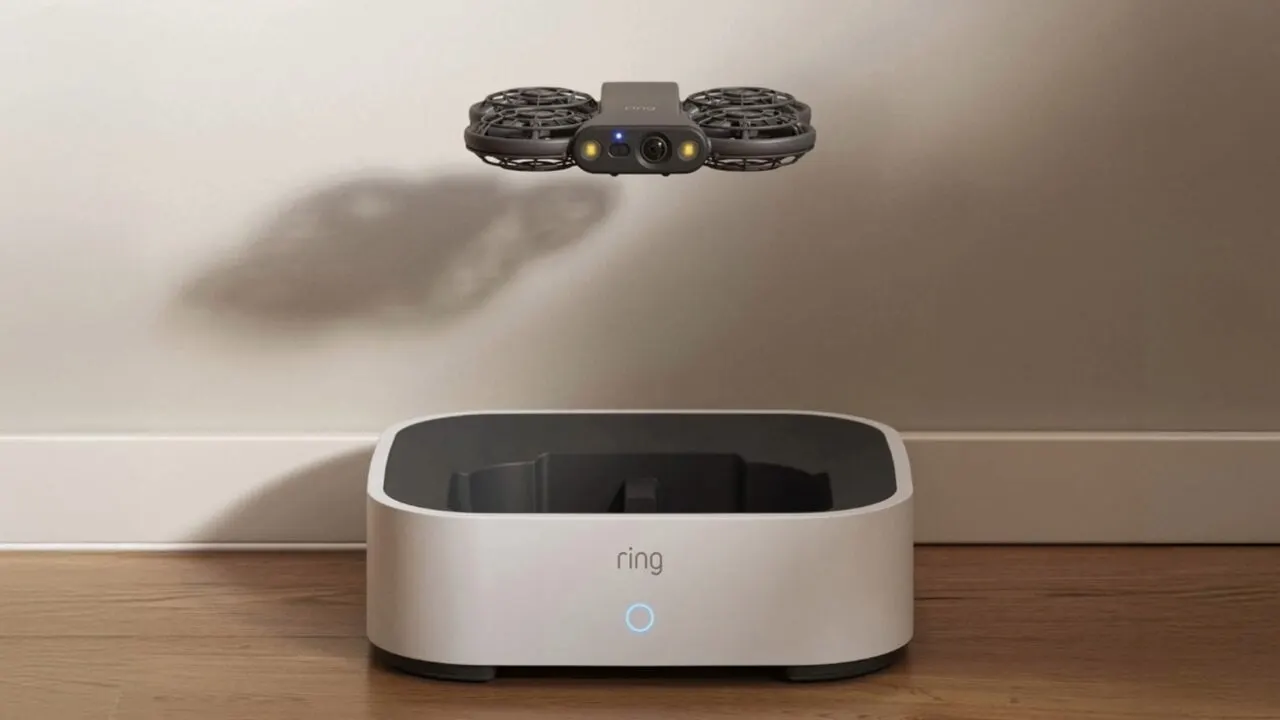
Ring Drone Cam: Amazon's $250 Indoor Flying Camera Is Loud