Instinct AI agent scraps an unused motorbike in under 10 minutes
A hands-on test of the Instinct AI agent shows it can handle tedious paperwork: it found a scrapyard, negotiated terms by email and arranged pickup of an old motorbike.
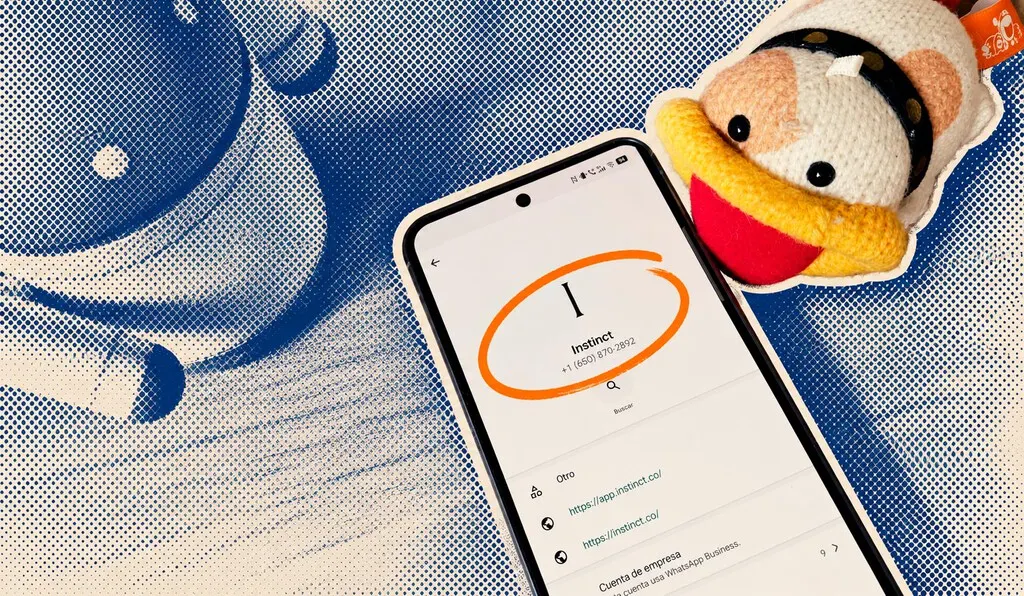
The AI agent Instinct has proved its worth on a chore its tester kept putting off: getting rid of an old motorbike that had sat unused for years but still triggered an annual circulation tax because it was never deregistered. According to the tester, the whole process took less than ten minutes of his time, while he ate breakfast.
The experiment was set up on a secondary phone with a secondary WhatsApp account. The tester asked Instinct, in plain language, to deregister the bike. The agent explained how the procedure works and suggested the simplest route: since the bike would not be ridden again, hand it to a scrapyard, which can handle the deregistration itself.
Finding a yard and following up
Instinct then located three nearby scrapyards that offer home collection, listing the costs of each. The user picked the one that deducted the scrap value of the vehicle from the towing fee. After his go-ahead, the agent drafted the email, sent it and followed up.
The follow-up is the notable part. Making first contact is relatively easy for an agent; sustaining a conversation is harder. Instinct kept in touch with the scrapyard to settle terms, costs and dates, and asked for approval at each new step. Only at the end did the user share part of his personal data, because the yard needed it to collect the bike.
Convenience versus privacy
The tester says agents like this suit small, annoying tasks that are costly mainly because someone has to chase them constantly. He recommends delegating, with caution: the less personal information an agent holds, and the less damage it can do, the better.
Instinct is not the most anonymous agent, since it requires a mobile phone number from the start. After that, the information it can access can be restricted. More data makes it more effective but raises the risk. For sensitive data, the tester advises not using any AI at all.
Instinct is not his main agent: he trusts a local Hermes setup more, since much of its processing happens on-device. Still, the test ended with the bike gone and a note to be less lazy about paperwork.
More from this day
See all →
South Korea Eases AI Data Center Criteria Ahead of Draft Rules
HD Hyundai Robotics, Palantir Cut Robot Fix Time by 63% With AI

Samsung Electronics Buys Samsung Display's CSOT Stake for $0.9B