Indrajaal Hits ₹100 Cr Revenue, Eyes ₹300 Cr on Counter-Drone Push
Hyderabad defence-tech startup Indrajaal grew revenue from ₹34 Cr to ₹100 Cr in FY26 and is raising a ₹420 Cr Series A to build an operating system for autonomous airspace.

Hyderabad-based defence-tech startup Indrajaal says its revenue rose from around ₹34 Cr in FY25 to ₹100 Cr in FY26, and it is targeting ₹300 Cr in FY27. The company is also preparing to raise a ₹420 Cr Series A round.
Founded in 2020, Indrajaal builds AI-powered counter-drone systems that combine proprietary hardware, computer vision and machine learning. It has raised about $5.5 Mn so far from investors including India Accelerator and Finvolve. Founder Kiran Raju, a Carnegie Mellon alumnus who started Grene Robotics in 2006, spun the company out of that business after watching drones become cheaper and more capable. He took particular notice of the September 2019 drone swarm attack on Saudi Aramco facilities and of rising drone incursions along India's borders.
One platform for many sensors
Traditional counter-drone tools usually rely on a single method to jam or shoot down a threat, which works poorly when friendly and hostile drones share the same airspace. Indrajaal's answer is SkyOS, a platform that merges real-time data from radars, radio-frequency sensors and cameras to detect, track and identify aerial threats. It can recommend countermeasures or execute them automatically.
The company also sells Ranger, a mobile counter-drone vehicle. Once a hostile drone is identified, the system can jam its signals, use Repulsor to interfere with its navigation, or launch SkyCop, an autonomous interceptor drone.
Expansion plans and risks
Indrajaal says its systems are deployed at installations of the Indian Army, the Indian Navy and agencies under the Ministry of Home Affairs. It earns money from hardware, software, installation and long-term maintenance. India's defence tech sector is projected to reach a $19 Bn opportunity by 2030.
The fresh capital is meant to expand manufacturing, strengthen R&D, grow headcount from about 100 to nearly 160 and enter Middle Eastern and European markets. Longer term, the company wants to manage civilian drone corridors and autonomous aerial transport.
Challenges remain. Government contracts bring long validation windows and multi-year sales cycles that can strain working capital, while a customised business model may pressure margins. Domestic rivals and global defence players with deeper pockets are also entering the segment, so reaching beyond defence contracts to private enterprises and foreign buyers will be key to hitting the ₹300 Cr goal.
Apps worth a look
 SUMO: the number puzzle
Tap the right tiles, add them up, hit the target. Easy to learn, hard to master. Free, for all ages.
 Dialo: learn languages by speaking
Talk to an AI conversation partner; every sentence comes back corrected and explained in your language. 9 languages, A1 to C2.
 ediviewer: read EDI files like documents
Open EDIFACT and X12 messages, see every segment explained, convert to JSON/XML, export PDF and Excel. Runs locally, no upload.
More from this day
See all →
Rostelecom plans underground data centers with three protection tiers

Li Auto Master Accounts Stolen in Russia, Some SUVs Won't Start
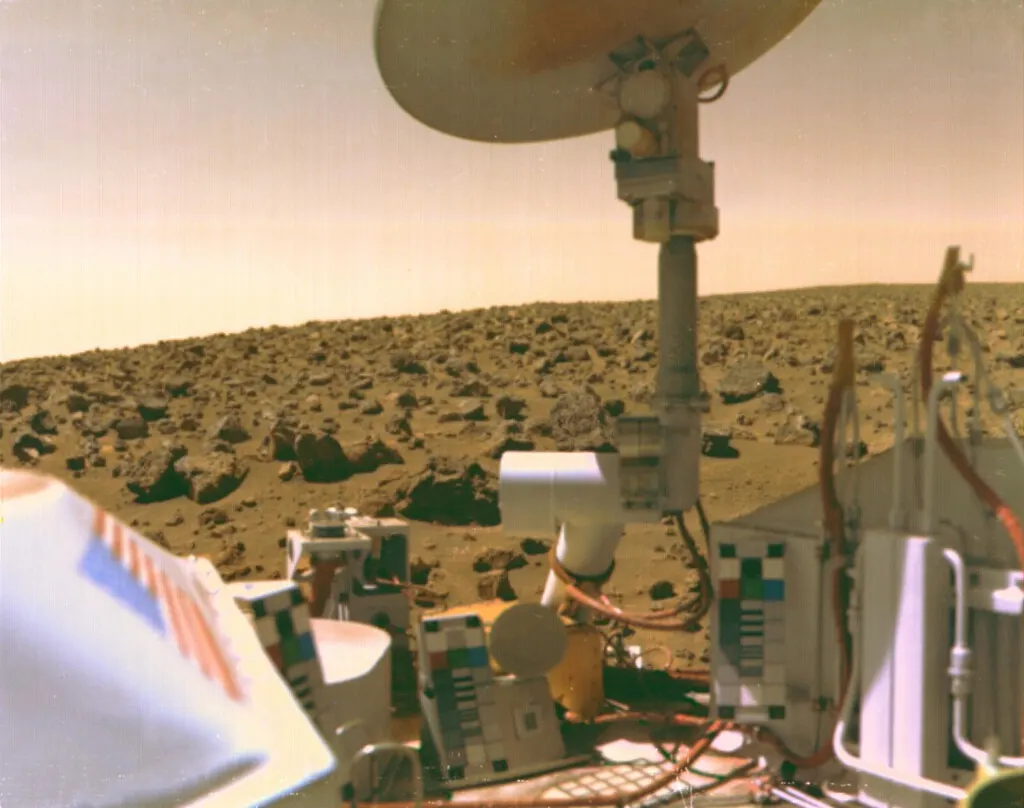
Viking 2 Data May Hold the Oldest Marsquake Ever Recorded

iOS 16 Boots on a Redmi Note 12 Thanks to AI-Assisted Hackios
More in: Startups
See all →
Eloelo's Dolphin AI Targets Global Audiences for Indian Stories

Scottish Widows pension fund backs UK quantum and deeptech
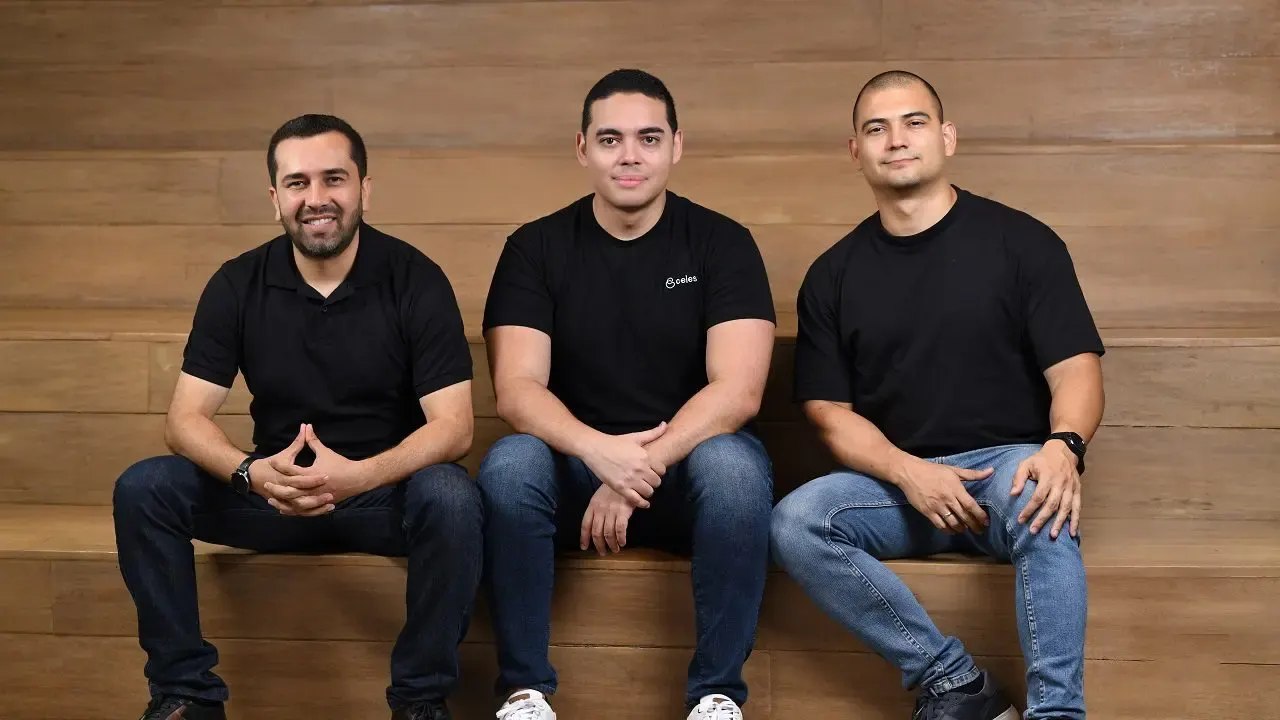
Celes Raises $5M Series A Led by SP Ventures for Retail AI