IFC Backs 15 African Agritechs and Links Them to Banks
The IFC is investing equity in 15 African agritech companies and linking them to nearly 200 commercial banks to widen credit for smallholder farmers.
 SUMO· the number puzzle
 Dialo· learn languages by speaking
 ediviewer· read EDI files like documents
 giftdetect· the right gift in minutes
The International Finance Corporation has identified 15 agritech companies across Africa and will back them with equity, while using portfolio guarantees to connect them to commercial bank lending for smallholder farmers.
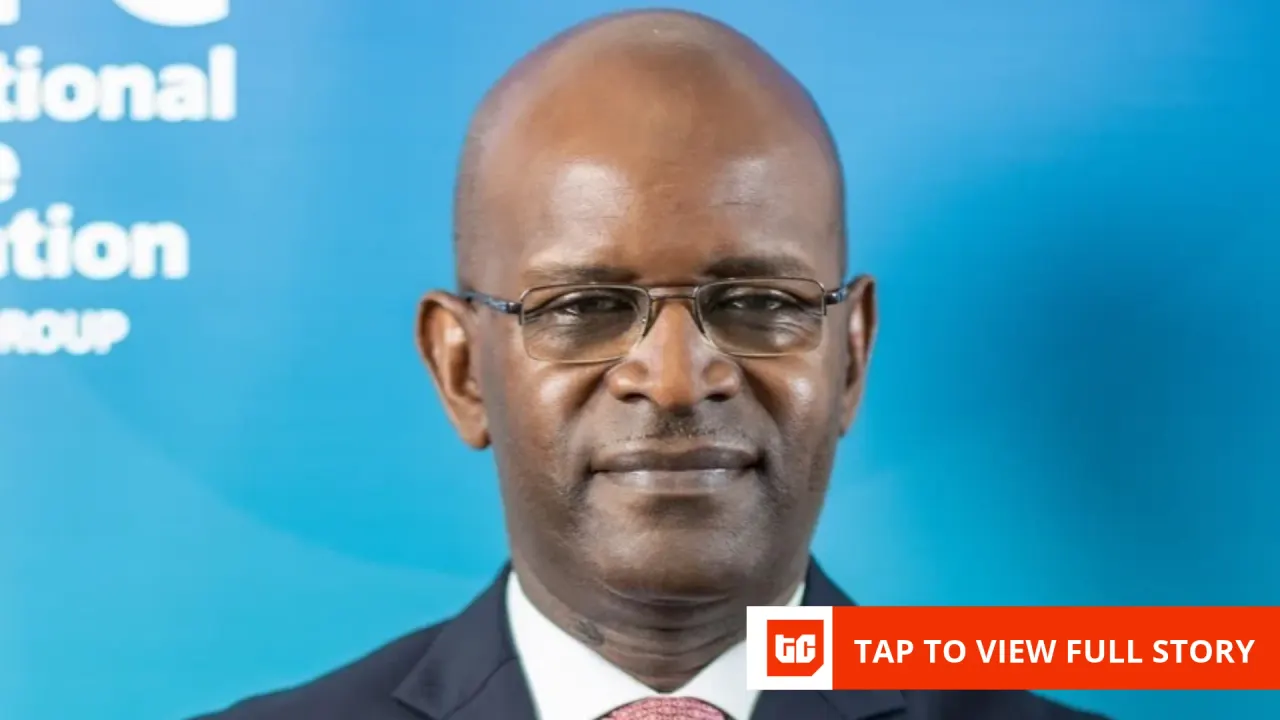
Aliou Maiga, Director of the Financial Institutions Group for Africa at the IFC, outlined the plan on the sidelines of the Africa Financial Industry Summit (AFIS) in Luanda. "We have been looking for solutions in this space for about 20 years," he said. The IFC tried once then because the technology was not sufficiently developed, and again about 10 years ago when conditions still weren't right.
Separating the tech from the lender
The framework departs from the earlier venture-capital approach, in which agritech startups raised capital and lent directly to farmers, taking on lending risk that strained their balance sheets. Under the IFC model, the agritechs focus on finding farmers, gathering agricultural data, helping assess risk and coordinating last-mile services through local agents.
Banks then lend from their own balance sheets, using the information the agritechs supply. IFC risk-sharing guarantees can cover an agreed portion of eligible lender losses, though they do not necessarily remove the bank's risk or guarantee every loan. The IFC's network includes nearly 200 financial institutions, but the number taking part in this specific programme has not been disclosed.
Why it matters
The push carries macroeconomic weight. Africa imports an estimated $90 billion in staple food commodities each year, a dependence that feeds currency depreciation and persistent inflation. Boosting domestic production has become a policy necessity rather than only a development goal.
The IFC says yields have risen by as much as 50% in some cases, though that is an upper-end example and not an average or a forecast for participating farmers.
What comes next depends on how many banks sign up and whether the guarantees prove enough to draw lending into rural value chains that commercial lenders have long avoided.
Apps worth a look
SUMO: the number puzzleTap the right tiles, add them up, hit the target. Easy to learn, hard to master. Free, for all ages.
Dialo: learn languages by speakingTalk to an AI conversation partner; every sentence comes back corrected and explained in your language. 9 languages, A1 to C2.
ediviewer: read EDI files like documentsOpen EDIFACT and X12 messages, see every segment explained, convert to JSON/XML, export PDF and Excel. Runs locally, no upload.
giftdetect: the right gift in minutesPick who it is for, the occasion and their personality. The search engine reads product descriptions from local shops and ranks what fits. Free, no sign-up.
More from this day
See all →
TVPort Runs Nintendo Switch Games Natively on Apple TV 4K

Enough Phone Brings Back the Small Phone With 5.3-Inch Screen

Apple to Check Shared iCloud Links for Harmful Content in iOS 27.3
Singapore's PDG secures $1.3 billion for Johor data hub
More in: Startups
See all →EIC Fund's 10 Largest Investments of 2026 So Far Revealed
Profilo and Habitat Association Unite Women Founders in Hakkâri

Garanti BBVA Global Expansion Day Returns to Istanbul on Dec. 3